Healing behind bars: San Quentin inmates release hip-hop mixtape
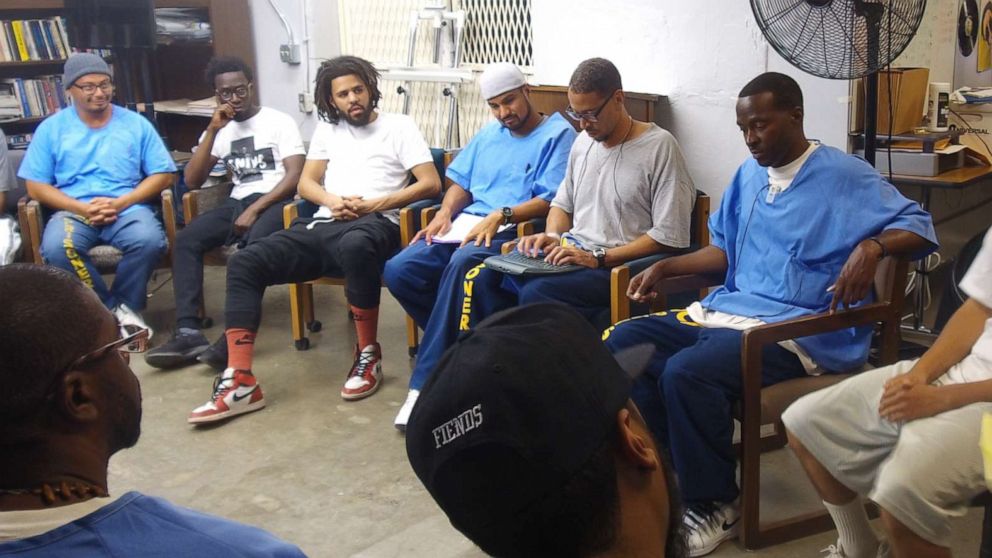
Hip-hop has been addressing prison reform for decades, but an album released Friday was actually produced, written and recorded behind prison walls by a group of inmates at the San Quentin State Prison, the oldest correctional facility in California.
"San Quentin Mixtape, Vol. 1," a collection of 17 songs and celebrity features, is the culmination of a four-year effort launched by music producer David Jassy, who was incarcerated at San Quentin for 11 years.
When Jassy was convicted of second-degree murder in 2010 and sentenced to 15 years to life, the Swedish-born producer, who had worked with artists like Britney Spears and Sean Kingston, knew his life would never be the same.
"It's very shocking for anybody going to prison, and it's a very segregated world, it's a very tough world," Jassy told ABC News. "You're separated from your family and friends and you're put into an environment that is very unsafe. And there are health issues in prison, there's inadequate nutrition in the food, there's a lot of murderers, all kinds of things going on in prison."
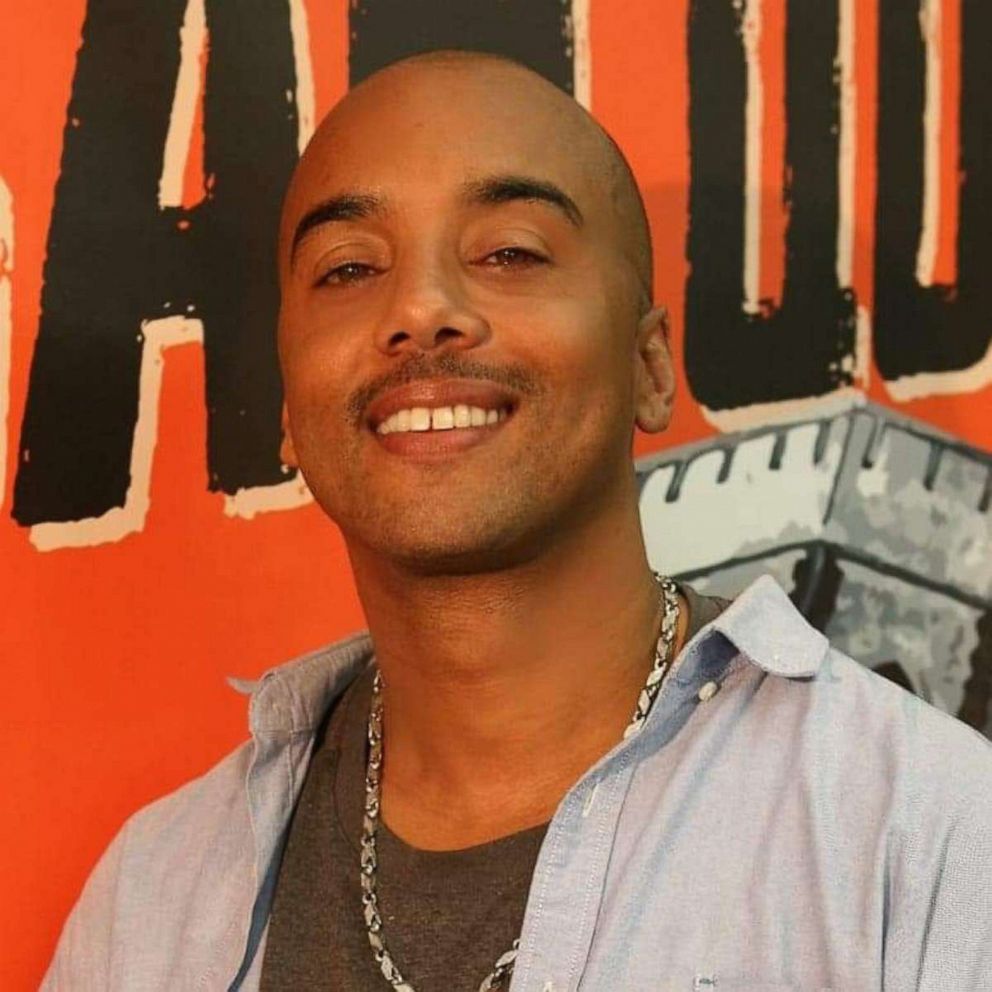
But Jassy said that even during the early days of his incarceration he knew that he had a choice: "I can either just feel sorry for myself, or just sit down in the corner and just feel bad, or I can actually do something positive."
It was then that the award-winning producer turned to his guitar and found "therapy" in music, which allowed him to connect with other inmates dealing with their own traumas.
Maserati E, whose legal name is Eric Abercrombie, was convicted of attempted murder at the age of 17 in 2010 for shooting a man during a robbery. He spent time in juvenile hall and four days after his 18th birthday, he was sent to state prison.
Abercrombie told ABC News that when he met Jassy he was dealing with "anger, "trauma" and "grief," and making music and rapping was a "cathartic" experience for him.
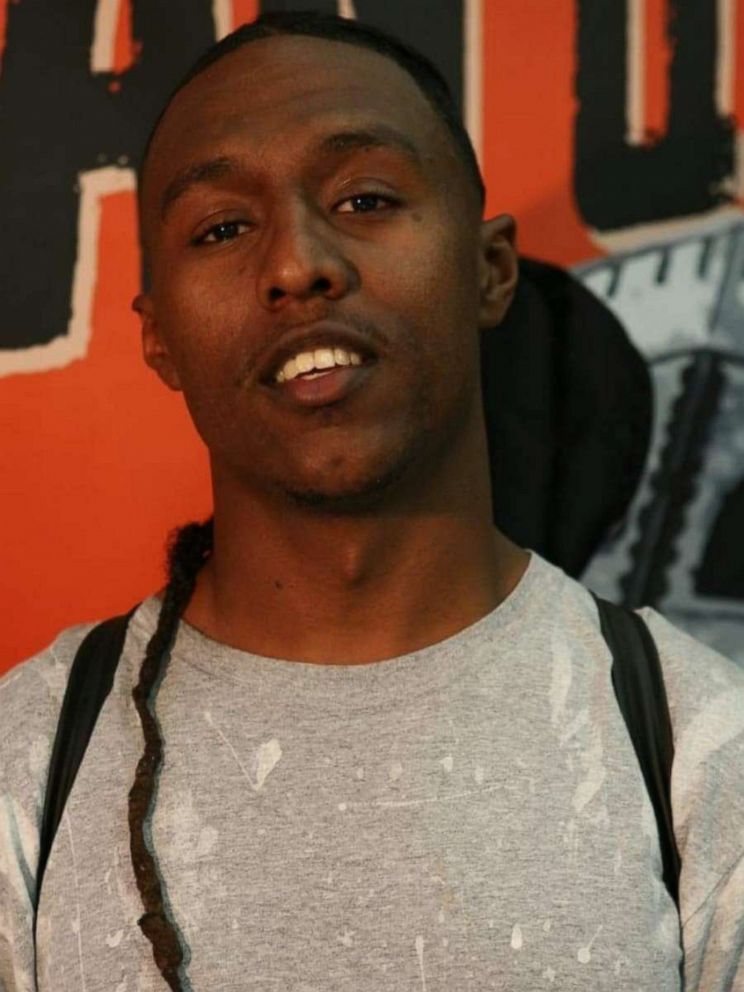
"I met Jassy literally like my last two years within my incarceration at San Quentin, and it was really magical, no exaggeration. It's hard to even put in words the type of energy I felt from meeting Jassy," Abercrombie said.
"And like, literally, like two, three days after that, we in the studio recording 'Break the Mold,'" he added, referring to his song featured on the new San Quentin mixtape.
Growing up listening to both gangster rap and conscious rap, Jassy said he "always knew that different artists put me in different moods," so he challenged the young men he was making music with to "change the narrative."
"Everybody that's in prison basically already came from the streets, they already have that story, so they don't really need to emphasize that part of it. But instead, they can warn younger kids about a criminal lifestyle," he said. "So I told them, look, I'll produce a mixtape if you guys choose to speak about your struggles, speak about everything that you've been through, but instead of glorifying it, warn younger kids -- like imagine what would you tell your 9-year-old self, your 12-year-old self? What would you tell your younger brother? So that's pretty much how the whole San Quentin mixtape project came about."
Abercrombie said Jassy asked the young men to not use profanity in their songs or glorify violence so they can set an example for children, challenging them to find a "healthier alternative."
"Music is extremely cathartic. I think that was one of the beautiful things about this project, especially when it began initially geared towards the younger people," Abercrombie said. "Like we were given a real, real creative outlet to express what we've gone through and not necessarily suppress those type of emotions and things like that because that can definitely be toxic, toxic on so many different levels."
At first not everyone at the prison was supportive of the effort, but, according to Jassy, "Once they started realizing and understanding what we were doing, more and more support came." Eventually, the warden and others supported the project.
After years of battling "prison politics" and "red tape" and the ability to receive a keyboard "through divine intervention," Jassy said that by 2018, they had received equipment donations and were able to put together a studio in the prison.
As news got out about the project, a psychologist at San Quentin visited the studio and "was moved to tears" when he saw the young men in action, Jassy said, prompting him to use the music in his therapy sessions with death row inmates at the facility.
Over the last two years, the San Quentin Music Program was visited by celebrities like Kim Kardashian West, Common, J. Cole, MC Hammer and music producer Quincy Jones III, who brought national attention to the effort.
"It was extremely motivating," Abercrombie said of those visits. "It was instilling so much hope that it was possible to actually accomplish ... something I've been dreaming about literally, as long as I can remember."
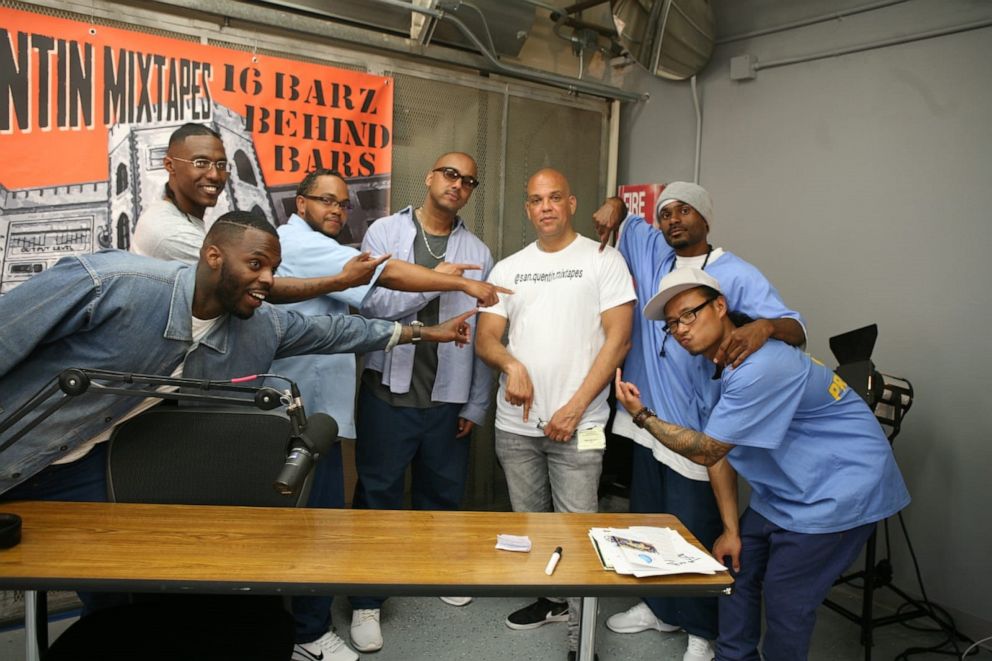
The album intro features J. Cole, DJ Khaled, Meek Mill, Common, T.I., Fat Joe, Snoh Aalegra, Maxwell, Nick Cannon, Talib Kweli and hip-hop mogul Russell Simmons.
All proceeds from album sales will go to the National Center for Victims of Crime, The Boys & Girls Club of Oakland and Potrero Hill Neighborhood House.
After learning about Jassy's story, criminal justice reform organization #Cut50 advocated for his release, and on March 27, his sentence was commuted by California Gov. Gavin Newsom.
Kardashian West thanked Newsom at the time, tweeting, "I visited him at San Quentin & saw the music program he ran for youth inside and I know he is going to continue to give back once he is home!"
According to court documents, Jassy was convicted of killing jazz musician John Osnes during an altercation in 2008 which ended with Jassy hitting Osnes with his car. The producer has denied doing so intentionally.
He was released at 45, after 11 years of incarceration, and has since returned to Sweden to reunite with his family, but the music program he started through the Youthful Offenders Program is still running and he's still sending beats to San Quentin.
"I learned a lot from them, just to hear their struggles and what they went through and how they dealt with it," Jassy said, adding that his fellow inmates on the project "became more than just guys that's rapping in the studio, you know, they became my family ... so for me, it's an experience that I will never forget."
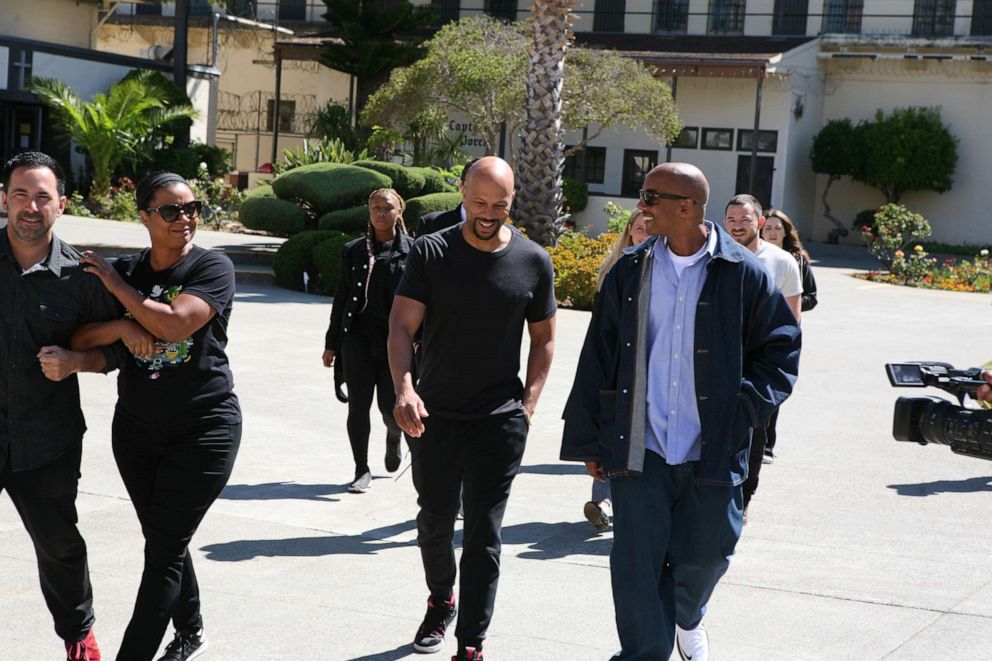
Abercrombie was released in August 2019 after nine years in prison, and in addition to producing music, he launched a speaking tour with his friend and former San Quentin inmate Antwane Williams to reach out to young people.
"We were on tour going to high schools and colleges doing music as well [and] utilizing the power of narrative, telling our story and attempting to dismantle the school-to-prison pipeline," he said.