As 'Star Trek' turns 60, its idealistic vision for the future is more vital than ever
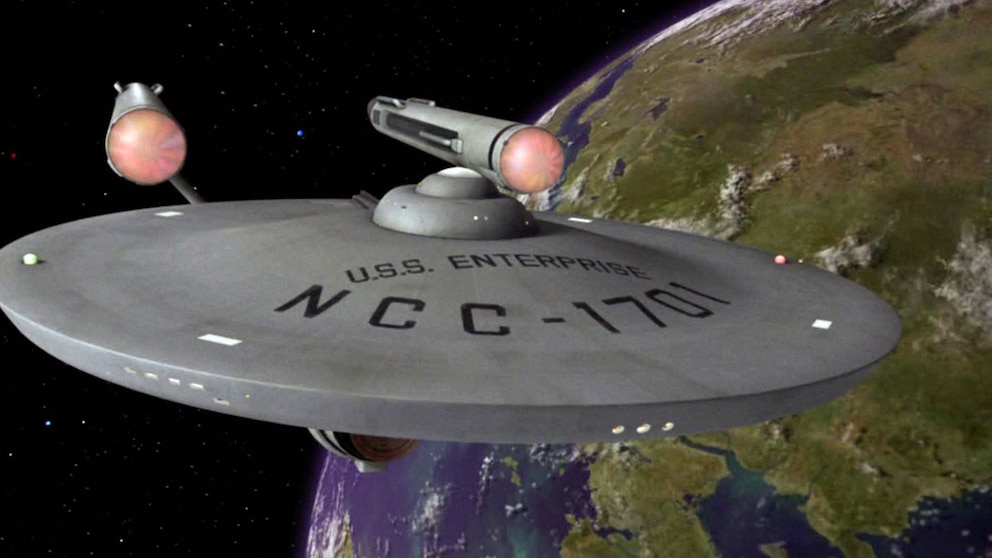
"Star Trek" turns 60 years old on Sept. 8, the date the very first episode, titled "The Man Trap," aired on U.S. television in 1966.
"Star Trek" fan or not, it’s inarguably impressive that a science-fiction television show that was essentially cancelled twice during its original three-season run has spawned two generations of spinoffs, films and merchandising, earning some $11.2 billion in estimated gross revenue and the Guinness world record for the world's most successful TV science-fiction franchise.
It’s also become a pop culture touchstone. “Beam me up, Scotty.“ "Live long and prosper.” "Make it so.”
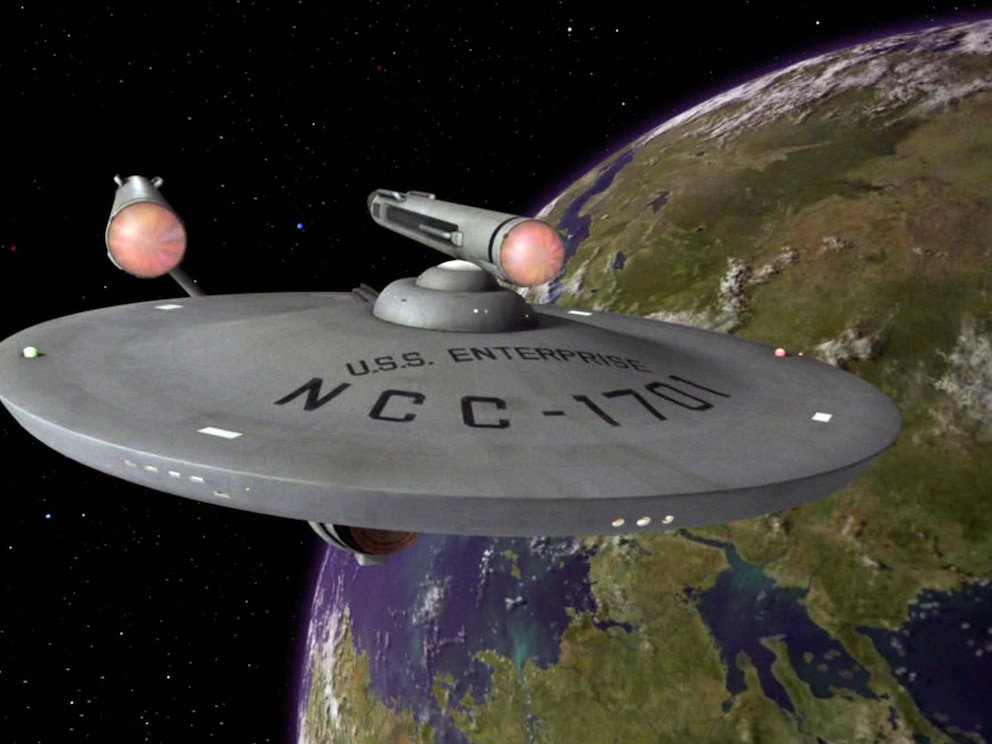
I love “Star Trek.” I’m old enough to have watched the original series as a grade school kid in 1969, the final year it was in production. It aired at the same time as “Mister Rogers’ Neighborhood” where we then lived. My mom, tired of our squabbling over who got to watch what, made my older sister and I take turns with who got control of our home’s single black-and-white set. I didn’t always understand what I was watching but it didn’t matter. I was hooked from jump.
I initially envisioned this essay as a “Hey, how wild it is that ‘Star Trek’ is 60? Here are some cool things about it you may not know” kind of piece. Yet as I wrote, I invariably found myself returning to how much the show meant to me growing up, and still does. How much it taught me as a kid and how it’s remained an important part of my life since.
Part of it is as simple as that 7-year-old’s love of spaceships. There was precious little sci-fi then on film and TV, so a show like “Star Trek” was a big deal. Also, being in a military family, moving to a new home an average of every 18 months, “Star Trek” was my constant. No matter where we were, I could turn on the TV and find a station airing it in syndication, like finding a friend’s face in a crowd of strangers.
That was the only way to watch it, pre-VHS/DVD/streaming. I remember kneeling in front of our TV afternoons as a teen in Chandler, Arizona, recording episodes on our clunky cassette tape machine and listening to them at night in bed as I fell asleep, memory and imagination providing the images. That and novelizations was how you got your fix then. I still have those cassettes, somewhere, labeled with my careful, 15-year-old block-print scrawl.
I only ever attended one convention, the Phoenix Fan Convention in August 1977. “Star Trek” had been out of production for eight years, not counting the short-lived animated series. It was on the small side as cons go, certainly compared to today’s massive gatherings like Comic-Con, very much a bootstrap affair confined to the single-floor event spaces of the Adams Hotel.
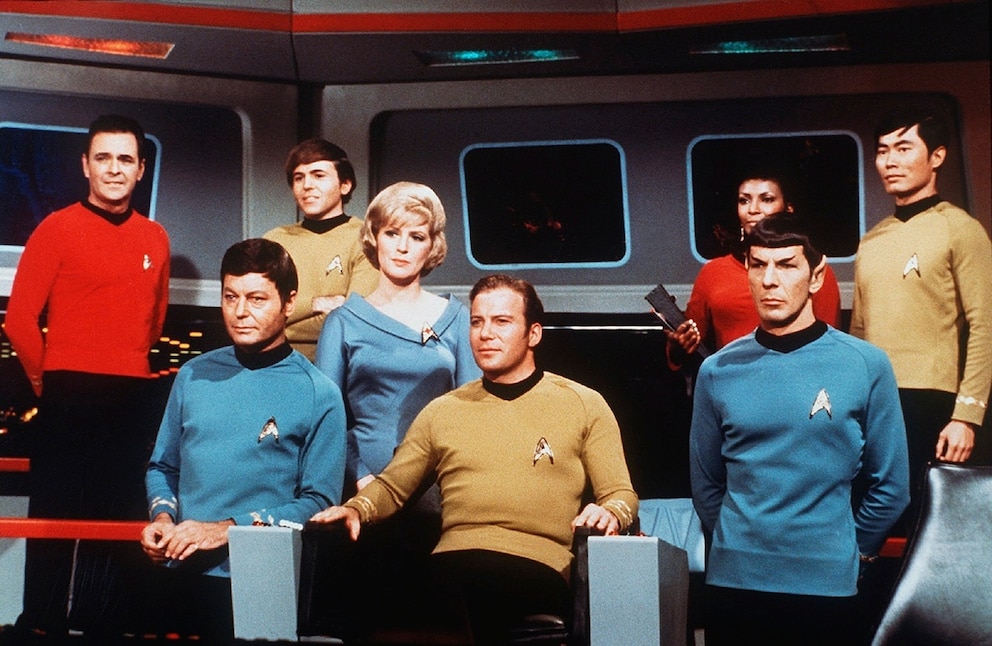
DeForest Kelly and George Takei were the top guests – Dr. Leonard “Bones” McCoy and helmsman Lt. Hikaru Sulu, respectively – along with a lot of behind-the-scenes folks only a hardcore fan would know. And Bjo Trimble, the superfan who with her husband John spearheaded the now-legendary letter-writing campaign that saved “Star Trek” from cancellation after its second season. As of this writing, she’s 93 years old – still kicking, and still a fan.
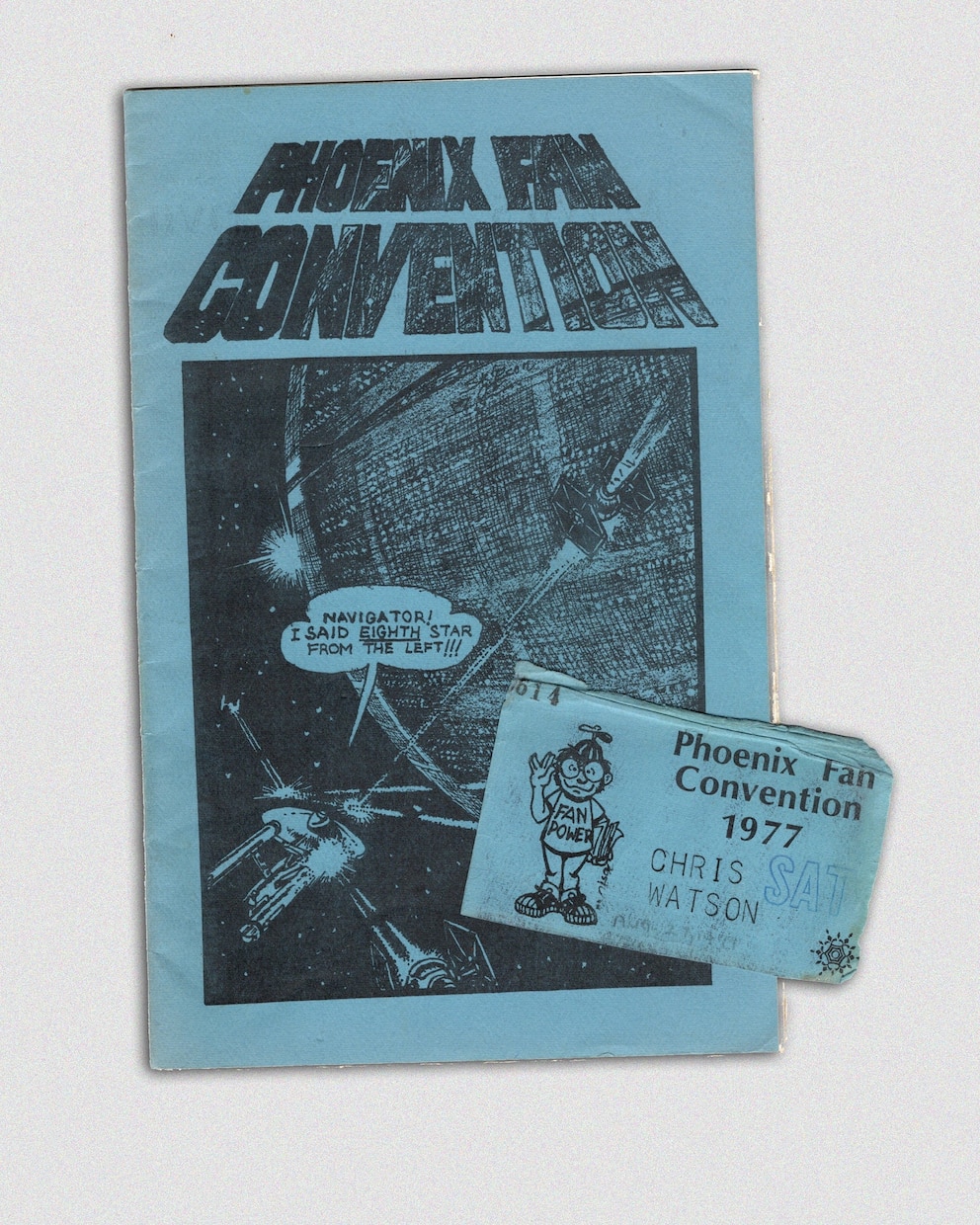
I had never been in the company of so many “Star Trek” and science-fiction fans gathered in one place: exchanging the Vulcan salute, debating our favorite episodes, drooling over tables piled with merchandise and mimeographed fanzines, packed into tiny conference rooms to listen to our heroes share stories of the show. All of us speaking the same language, all of us unabashedly sharing our love of the show without fear of ridicule. I can still remember how rare and special that felt.
There was also a lot of buzz about a movie that had come out the previous May. I hadn’t yet seen it, but my best friend Eric, who came to the con with me, had already seen “Star Wars” more than once and raved about it. And some dude dressed like a 7-foot-tall walking carpet won the costume competition.
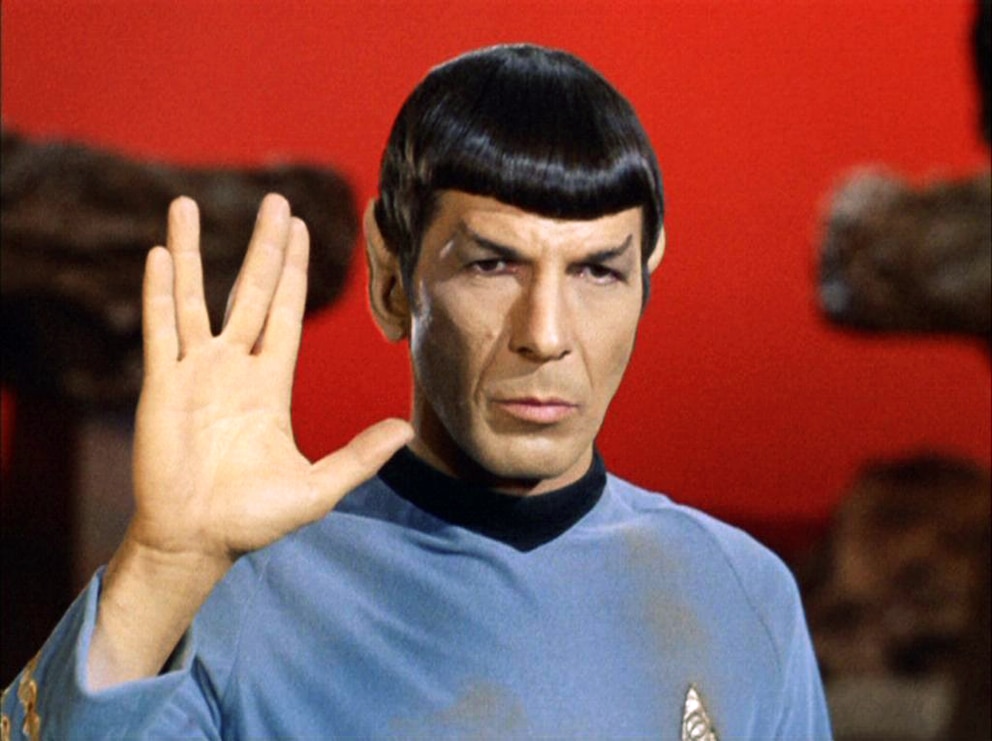
I’ve still got the convention program, the cover bearing a hand-drawn illustration of TIE fighters attacking the USS Enterprise in front of the Death Star. I’ve also got my cheap construction paper nametag with my name stamped on it, both stored with care, reliquaries of cherished memories.
Most of my friends were into music. I was into “Star Trek.” The main characters were my Beatles – Kirk, Spock, McCoy and Scotty. (I’ll leave it to you to determine which was which, though Spock was clearly John Lennon.) What I mean is the show meant as much to me as my friends’ favorite bands did to them, back when we all were at that uncertain age when your favorite band’s music could rescue you, comfort you, determine your friends, shape your beliefs. Back when your music was everything.
“Star Trek” was like that for me. It wasn’t just because of the cool space battles and aliens. There was something greater there that allowed me to look past the spotty special effects, sometimes dodgy stories (an alien once stole Spock's brain) and the sound of patent leather Starfleet dress boots clomping on painted plywood sets. Pointy ears and phasers got my attention. Ad astra per aspera kept me a fan for life.
Volumes have been written about “Star Trek” creator Gene Roddenberry – decorated WWII bomber pilot turned cop turned screenwriter – and his vision for the future. How when the Civil Rights Movement was tearing America apart, he persuaded NBC executives to greenlight a show featuring a multiracial, integrated cast of equals peacefully exploring outer space.
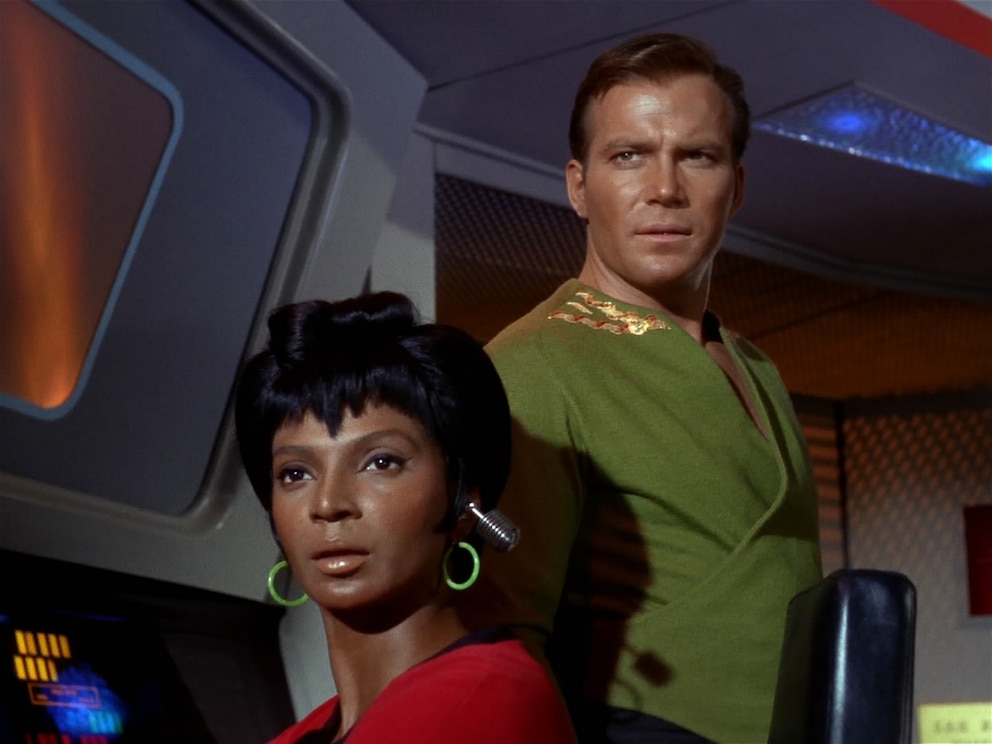
No less than Rev. Martin Luther King Jr. was a fan, and famously convinced Nichelle Nichols – who played Lt. Nyota Uhura, a Black female bridge officer at a time when Black actresses for the most part were cast as maids, moms or criminals – to remain on the show after she’d decided to return to her Broadway roots at the end of the first season. Her character’s example was just too important to abandon, King told her.
To kids like me, growing up with that example and myriad others on the show, it all seemed perfectly normal. And that of course was the point.
Roddenberry and his motives have been considerably mythologized in the decades since “Star Trek’s” debut. The popular public image of a visionary idealist and progressive humanist, which he was, now rubs shoulders with accounts that paint a portrait of a more complex, flawed man of sometimes contradictory behaviors and motives. Head of gold, feet of clay. Welcome to the human race.
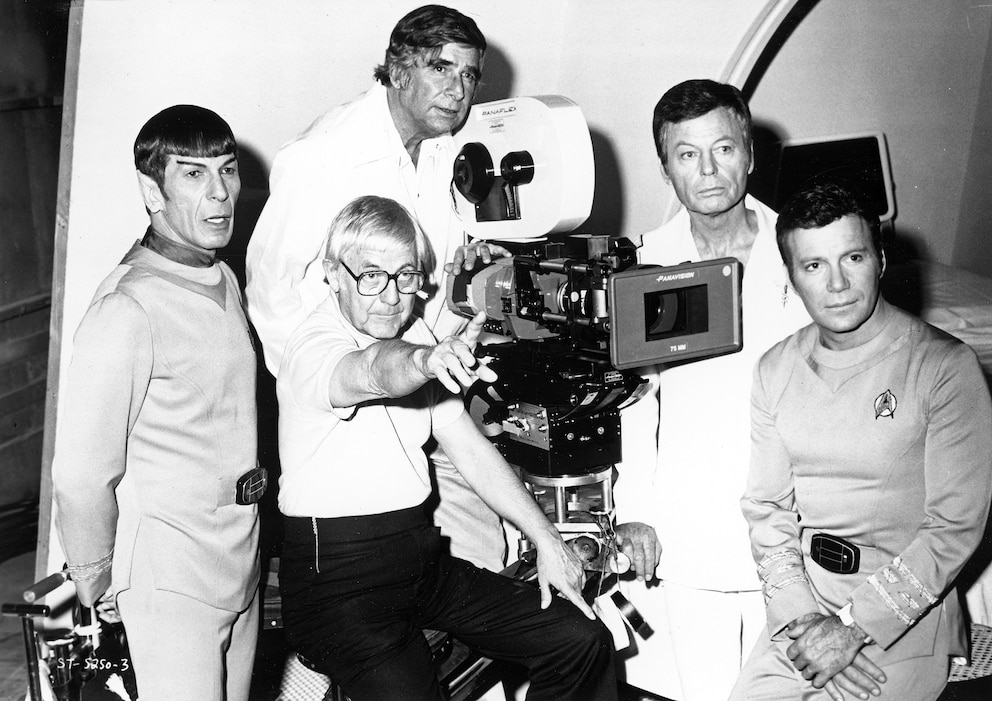
What isn’t myth is Roddenberry’s faith in the human race, and the utopian future he envisioned for it. Despite his flaws, he deeply believed we could do better, would do better, and showed us how that might look. That the franchise has survived and thrived as long as it has is testament to how many of us share that vision, and pray humanity might one day get there.
If you’re wondering how “Star Trek” has endured for 60 years, I feel that’s the answer. It’s not the spaceships and aliens. It’s not even the idea that by the time we reach Roddenberry’s aspirational future we will have overcome our present-day problems.
It’s the belief that despite our very nature, our missteps, conflicts and flaws, humanity will survive to see that future at all.
Christopher Watson is a senior editor for ABC News and can still remember the titles of most of the “Star Trek” original series episodes.