Multiple infections linked to raw milk consumption in Florida, health officials say

The Florida Department of Health is investigating an outbreak of infections linked to drinking unpasteurized milk, officials said this week.
The health department issued a bulletin Monday, reporting that 21 people who consumed raw milk from the same farm had been infected with campylobacter and E. coli, with seven of those patients requiring hospitalization.
Of the 21 cases, six were children under the age of 10.
"Severe complications have been reported for at least two cases," officials said.
The health department did not name the farm that produced the raw milk but confirmed the milk was linked to the cases.



It is illegal to sell raw milk for human consumption in Florida because it can be a source of foodborne illness. However, there are no state laws prohibiting the consumption of raw milk.
Raw milk can legally be sold in Florida for non-human consumption as pet or animal food because it doesn't undergo the same sanitary regulations, the health department stated.
"Due to continued recent cases of Campylobacter and Shiga toxin-producing E. coli (STEC) infections linked to a particular farm, the Florida Department of Health is providing information to assist Floridians in making informed decisions about their health," Monday's health alert stated. "Sanitation practices in this farm are of particular concern due to the number of cases."
"Floridians are encouraged to use this information to make informed decisions about their health and sources of raw milk should they choose to consume it," the department added.
What to know about raw milk
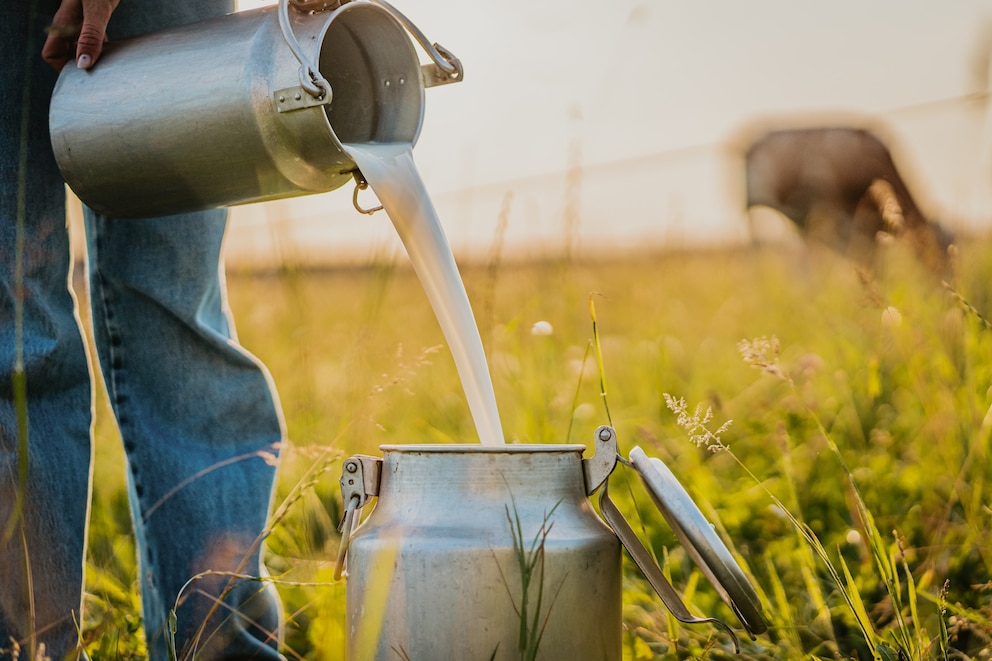
According to the Centers for Disease Control and Prevention, raw milk from cows, sheep, goats or other animals is milk that has not been pasteurized, a process through which disease-causing germs like campylobacter, E. coli, listeria and salmonella are killed by heating milk "to a high enough temperature for a certain length of time."
The CDC states that "good practices on farms can reduce contamination" but "cannot guarantee safety from harmful germs."
The U.S. Food and Drug Administration states that it "strongly supports the application of effective measures" like pasteurization "to protect the safety of the food supply and maintain public confidence in such important, healthy staples of the diet as milk."
"While the perceived nutritional and health benefits of raw milk consumption have not been scientifically substantiated, the health risks are clear," the FDA states, noting that since 1987, there have been 143 reported outbreaks of illness "associated with consumption of raw milk and raw milk products that were contaminated with pathogenic bacteria such as Listeria, Campylobacter, Salmonella, and E. coli."
"Because E. coli can spread from one child to another, the risk is not just to the one that drank the milk," the FDA adds.
Risks of raw milk and infection symptoms
The Florida Health Department also warned Monday of the potential risks of consuming raw milk tainted with disease-causing bacteria such as campylobacter and E. coli.
"These bacteria can cause gastrointestinal illness, including diarrhea, vomiting, and stomach cramps," the officials stated.
"STEC bacteria in its most severe form can result in hemolytic uremic syndrome (HUS) which is characterized by hemolysis and kidney failure, which is of particular concern for children," they added. "Groups at higher risk for severe illness include infants and young children, pregnant women, elderly individuals, and those with weakened immune systems."