USDA creates new policy to help reduce salmonella in raw poultry


The U.S. Department of Agriculture has proposed a new rule that aims to protect consumers from foodborne illnesses by significantly reducing salmonella in poultry products that make it onto grocery store shelves and into shoppers' kitchens.
After three years of reevaluating its strategy for controlling salmonella rates in poultry, the USDA's Food Safety and Inspection Service announced a new proposal on Monday that would require poultry companies to keep salmonella levels under a certain threshold and ensure they test for six specific forms of bacteria in raw chicken and turkey products.

Secretary of Agriculture Tom Vilsack said in a statement that the newly proposed framework "marks a historic step forward to combat" poultry-related Salmonella contamination and hopes it will keep contaminated meat out of stores to help lessen the number of recalls and illnesses.
"This proposed framework is a systematic approach to addressing Salmonella contamination at poultry slaughter and processing, which includes enforceable standards that will result in safer food for consumers and fewer illnesses," he said.

Citing the Poultry Products Inspection Act, the FSIS said this rule would "establish final product standards based on these Salmonella levels and serotypes" and prevent adulterated raw chicken and turkey products from entering the retail supply.
FSIS also proposed revisions to regulations that would require all poultry slaughter establishments to "develop a microbial monitoring program to prevent pathogen contamination throughout the slaughter system."
"The proposed Salmonella framework is grounded in data and rigorous scientific evaluation, and it reflects feedback from extensive stakeholder engagement," USDA Under Secretary for Food Safety Dr. José Emilio Esteban said in a statement. "We encourage all interested stakeholders to submit comments and relevant data on the proposal as we work to finalize data-driven, science-based regulatory policies to address Salmonella in poultry."

According to the Centers for Disease Control and Prevention, salmonella bacteria cause over 1 million human infections in the U.S. each year.
Food is the leading source of salmonella infections and poultry is among the leading sources of foodborne salmonella illnesses, the CDC has found.
The FSIS estimates there are 125,000 chicken-associated and nearly 43,000 turkey-associated foodborne salmonella illnesses per year. Despite agency data that indicates salmonella contamination in poultry products has been decreasing, the agency said there has not been an observed reduction in salmonella illnesses.

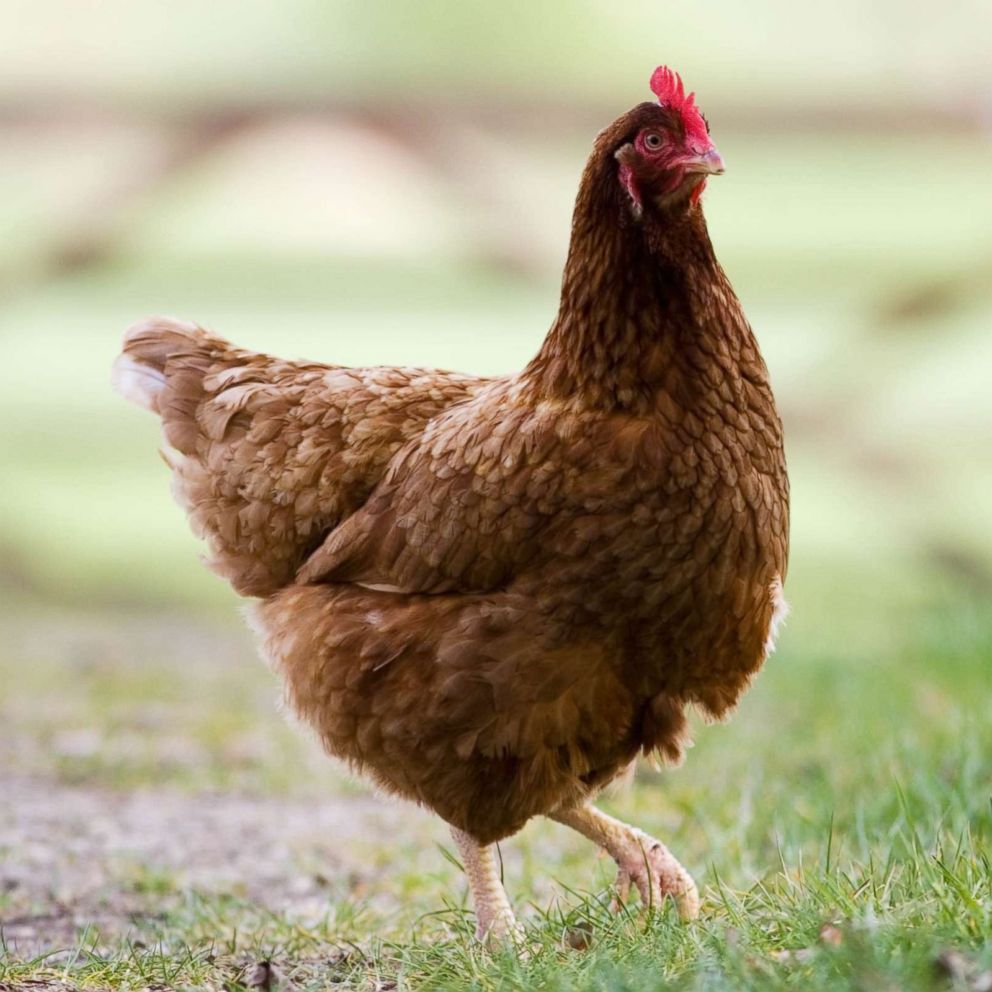

The CDC has published a list of safety tips to avoid food-borne illnesses on its website, which include washing hands for at least 20 seconds "with soap and warm or cold water before, during, and after preparing food and before eating" -- especially after handling uncooked meat, chicken and other poultry, seafood, flour or eggs -- as well as any utensils, cutting boards and countertops; avoiding cross-contamination; cooking foods to a safe internal temperature; and refrigerating food promptly afterward.
"Bacteria can multiply rapidly if left at room temperature or in the 'Danger Zone' between 40°F and 140°F," the CDC states. "Never leave perishable food out for more than 2 hours (or 1 hour if exposed to temperatures above 90°F)."
The CDC also recommends washing hands thoroughly with running water and soap after touching pets and other animals or their belongings.