Schools crack down on vaping as new school year gets underway
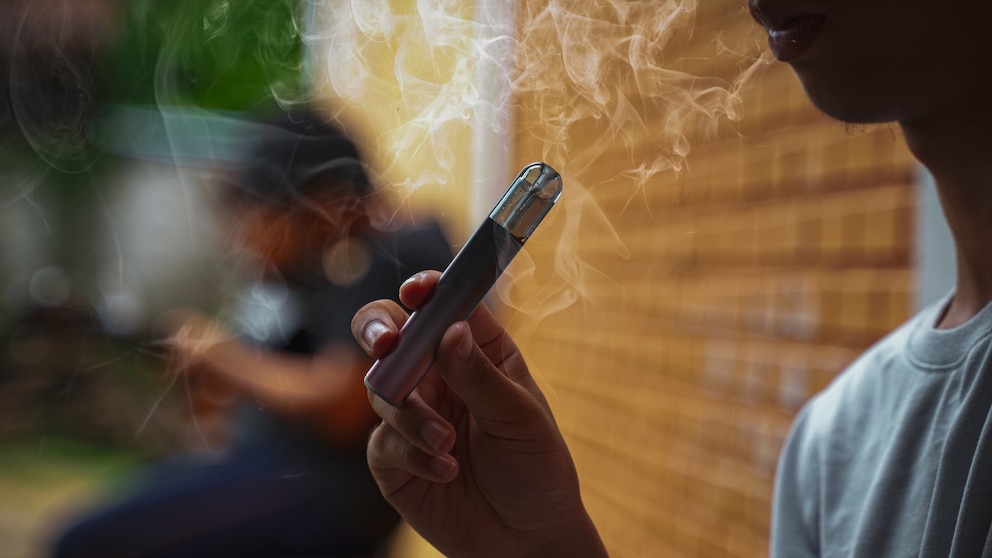
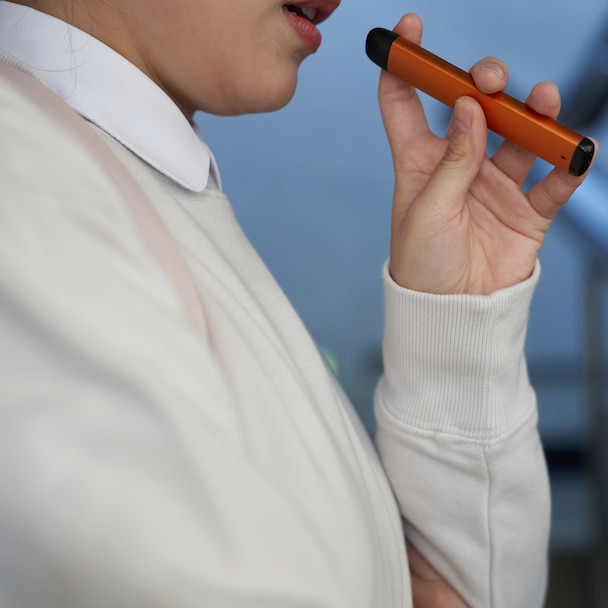
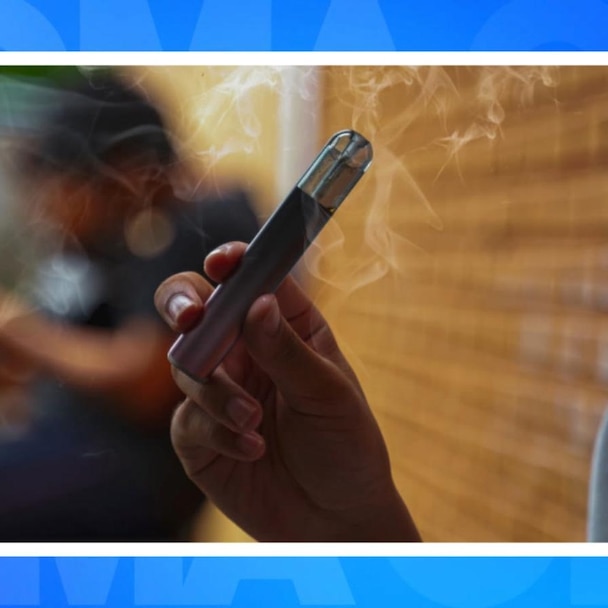
At Marietta City Schools in Georgia, a school district that serves approximately 8,500 students, vaping has grown into "the biggest issue" school administrators and teachers are facing, superintendent Grant Rivera told ABC News.
School staff aren't the only ones concerned. The Department of Health and Human Services (HHS) Office of the Surgeon General called youth vaping an ongoing “epidemic” and released a Youth Vaping Resource Guide Monday to raise awareness about the issue.
Fifty-six percent of U.S. parents also say that smoking and vaping are a big problem for children and teens in the country, according to an August poll from C.S. Mott Children’s Hospital in Ann Arbor, Michigan.
Over 1.6 million students in the U.S. reported using vapes, a practice that can lead to addiction, from 2023 to 2024, according to a Centers for Disease Control and Prevention study.
But students who use vapes aren't just high school-age teenagers or low-performing students either, experts say.
"Kids that were using traditional cigarettes in the past, they really were the rebels," Jennifer Folkenroth, a senior director of nationwide tobacco programs at the American Lung Association, told ABC News. "We saw a huge evolution when e-cigarettes were released on the market over a decade ago. ... They now are the college-driven, the aspirational, the key students and athletes of the school districts."
"It's very much a part of today's culture with teens," Folkenroth added.
Rivera said when he recently visited a middle school in his district, the school resource officer there recounted a similar concern, describing how easily kids can access vapes.
"I said, 'Are you seeing this in middle school?' And he went to his safe in his office, and he pulled out three gallon-sized Ziploc bags filled with vapes," Rivera recalled. "He said to me, 'Grant, these are just the ones we caught.'"
The problem has grown to the point where Rivera says his school district has made it a priority to tackle for the 2025-2026 school year.
"We see that children are vaping and they don't know what they're inhaling. We've had numerous situations where kids have passed out, kids have been unconscious. We've had to call 911 and some of those have been linked back to vaping," said Rivera. "So for us, it is a critical safety initiative that is as important as any active shooter or fire drill that we're going to do."
Experts say vaping can be worse than smoking cigarettes
According to the National Institute on Drug Abuse, vapes and vaping devices, or e-cigarettes, refer to a battery-operated device that is used to inhale an aerosol. Vapes can contain multiple substances but tend to contain flavorings, chemicals, and addictive substances like nicotine or cannabis and marijuana.
"A cigarette delivers about one to two milligrams of nicotine per cigarette. Some of these more recently popular [vape] devices … they're larger devices that contain a solution of a high percent of nicotine and they can deliver as many as 600 cigarettes, so 30 packs of cigarettes, in one device," pediatric hospitalist Dr. Rachel Boykan told ABC News.
Boykan, an American Academy of Pediatrics Tobacco Consortium member and the chair of the AAP Section on Nicotine and Tobacco Prevention and Treatment, also said vaping is still a significant health concern because of its strong link to addiction.
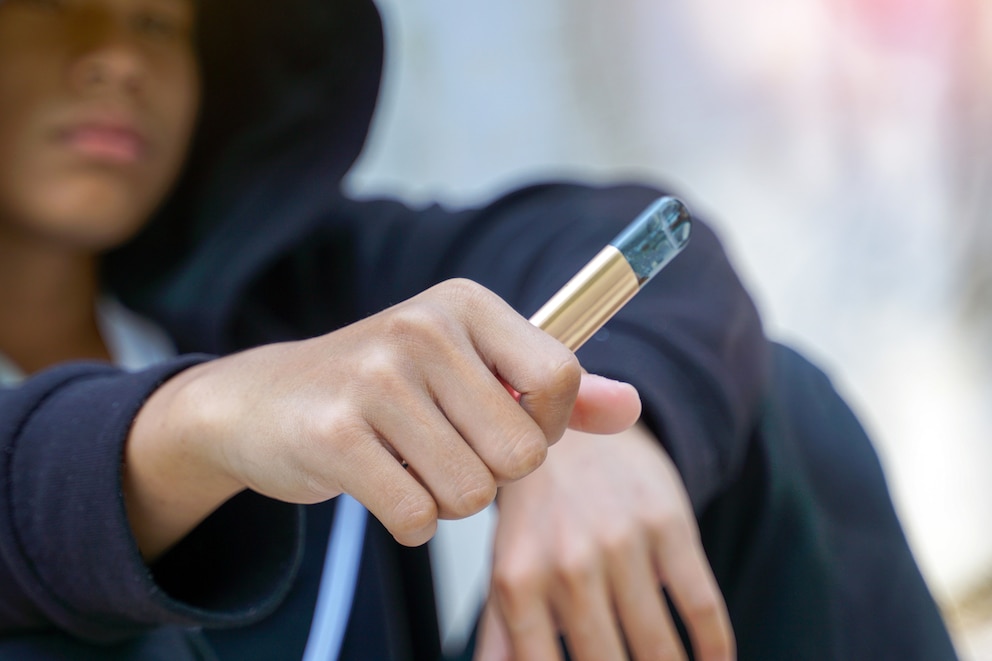
"When they look at those kids who are using, they're using them much more frequently. A large percentage are using them 20 to 30 days a month, or even every day, which means that speaks to addiction," Boykan said. "Even if it's 6%, that's like one in 15 kids, one in every classroom, who has this problem. That's a lot of kids in a school. … It's just a lot of kids in general that need help."
As with cigarettes, once children and teens start a vape habit at a young age, it can turn into a long-term or even a lifelong habit and impact mental health, behavioral disorders or worsen conditions like anxiety and depression, said Boykan. Studies have also shown that vaping is potentially linked to further drug use.
What schools are doing to crack down on vaping
There's no consensus among educators on how to cut down on student vaping, which can often go undetected and is generally less noticeable than the scent of cigarette smoke.
Some school districts, like Marietta City Schools, are banking on using technology like vape detectors to identify and address the issue.
Rivera said that 54 vape detectors from the brand Halo have been installed this school year in middle and high school bathrooms, locations where he said students tend to vape.
"We're trying to help the kids understand that if, in fact, you attempt to vape in a bathroom or you attempt to tamper with a vape detector in a bathroom … we will have an alert that occurs immediately and within seconds, we have an administrator who's walking in the bathroom [to] check it," Rivera said.
Motorola Solutions, the maker of Halo, told ABC News that vape detectors are still relatively new, having hit the market in the last decade, but interest has grown as youth vaping persists.
"Thousands of schools throughout the country have installed Motorola Solutions' Halo Smart Sensors to help deter and detect vaping," Motorola Solutions said in a statement. "There is also increased interest for other uses, including detecting THC, smoking, poor air quality, aggression, gunshots and more. When coupled with video security systems, schools can get a holistic view of health and safety issues to better protect their students and staff."

Marietta City Schools used funds, about $70,000, from a Georgia Department of Education grant and a class action lawsuit settlement with the vape maker Juul to purchase and install vape detectors, according to Rivera. Juul had been accused of false advertising and settled with no admission of wrongdoing.
"We are putting all of that money towards vape detectors, as well as student lessons," Rivera explained. "If a child is caught, there are different educational modules we can have kids and parents use. We're leveraging all those funds towards this project. We think it's that important."
The American Lung Association argues, however, that vape detectors should not be the sole approach taken by schools, citing issues like false alarms and punitive consequences as concerning factors.
"Teens should not be punished for being addicted to a product that was aggressively marketed to them on social media, through celebrities and kid-friendly flavors," Folkenroth said, adding that the ALA advocates for holding the tobacco industry accountable and using science-backed programs to end kids' addictions.
The association's multi-faceted approach includes its Vape-Free Schools Initiative partnership with over 4,200 schools; education efforts such as online courses and the CATCH My Breath curriculum backed by the Substance Abuse and Mental Health Services Administration; intervention training; youth activism; and policybuilding.
At the end of the day, Boykan says helping students with a vaping addiction requires support from multiple sources within a child's community.
"The real issue is that these kids are probably addicted, and if we don't recognize that they have a problem and support them and help them navigate that, then we have done nothing," Boykan said. "There needs to be support within the schools. There needs to be medical support, whether it's the school nurse, the guidance counselor, contact with the pediatrician, [or] community resources."
For youth who are looking to quit vaping, the HHS recommends calling the CDC hotline at 1-800-QUIT-NOW or texting 88709, run by the nonprofit Truth Initiative, with “DITCHVAPE” for support.