Keeping Jani Alive: The Perils Of Childhood-Onset Schizophrenia
July 1, 2009 — -- On a trip to a park near their home in Valencia, Calif., last week, a boy approached Michael Schofield and his six-year-old daughter January, called Jani, to admire their dog, trading stories with Jani about his own dog. Then, without warning, Jani hit the boy in the chest.
"She hit him in the chest because Wednesday-the-rat told her to," Schofield said.
But Wednesday-the-rat is not a contrived, "devil made me do it" excuse to punch someone. Jani suffers from schizophrenia, a chronic, severe, and disabling brain disorder most strongly characterized by sensory hallucinations. Jani can see Wednesday-the-rat and hear him demand that she hit the curious boy and feel him biting her until she complies.
"She's really tortured by this," Schofield said. "It really forces her all the time to do things she doesn't want to do."
Cases of childhood-onset schizophrenia such as Jani's are rare but can be extremely severe, often having poor outcomes. Because so few children have the disease compared with those who develop schizophrenia as adults, there are fewer resources to help children and their families cope with the hallucinating or spending significant amounts of time as if in another world -- Jani's is called Calalini.
Schizophrenia affects about 1.1 percent of the United States population, according to the National Institutes of Mental Health. The vast majority of people with schizophrenia develop the disorder between ages 17-24. Cases after age 40 and before age 13 are rare and estimates for the incidence of childhood-onset schizophrenia range from 1 in 10,000 to 1 in 30,000.
But it does exist. And Jani's parents and doctors say she is one such case.
Recognizing a child has schizophrenia can be difficult because some of the symptoms are consistent with stages of development.
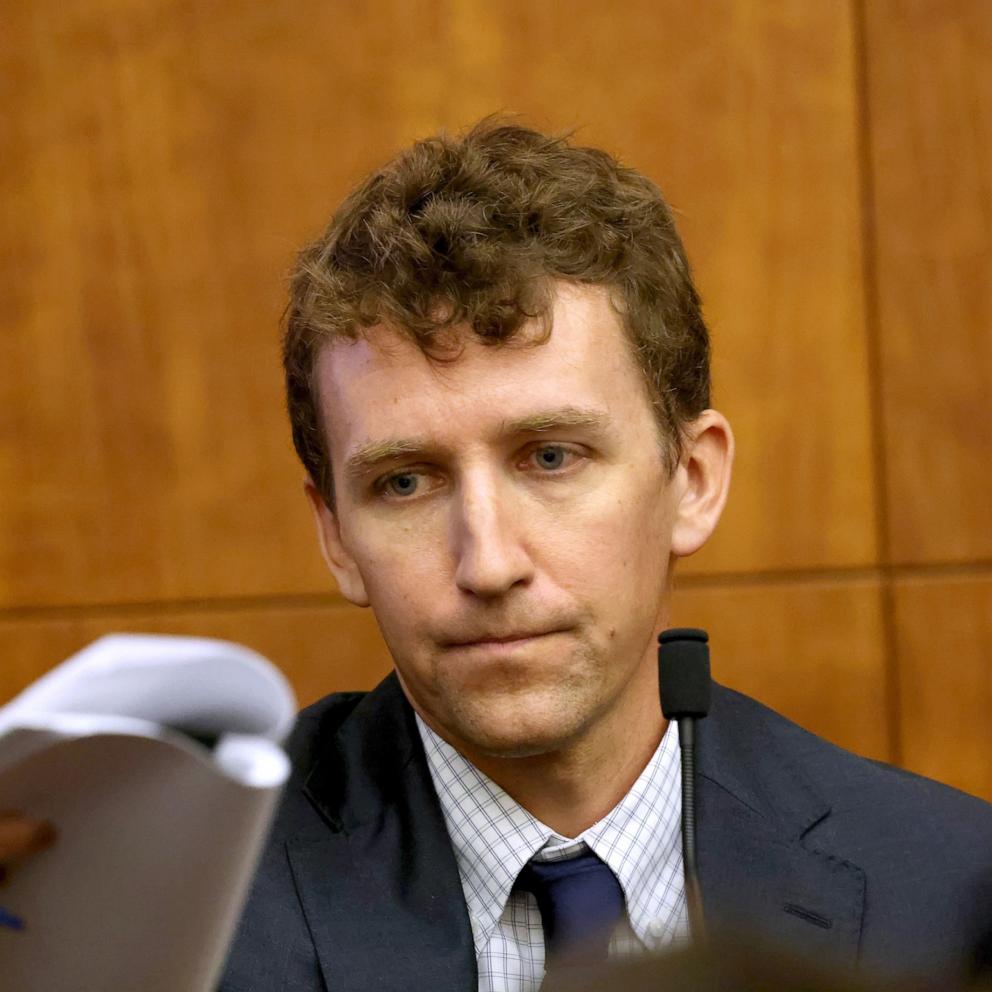
"Many children between 5 and 8 have imaginary friends and talk about imaginary worlds," said Dr. Mark DeAntonio, a child psychiatrist and director of Adolescent Inpatient Service at the Resnick Neuropyshicatric Hospital at UCLA where Jani receives treatment. "But they understand that other people don't share that. [Schizophrenics] are totally absorbed by that world... They'll prefer it or demand that it's more real than the world they're around."