Ex-Priest Questions Repressed Memories
Sept. 14, 2009 — -- A defrocked priest who has appealed his rape conviction in Boston is now stirring controversy in the psychiatric community by challenging the notion of repressed-recovered memories, or dissociative amnesia.
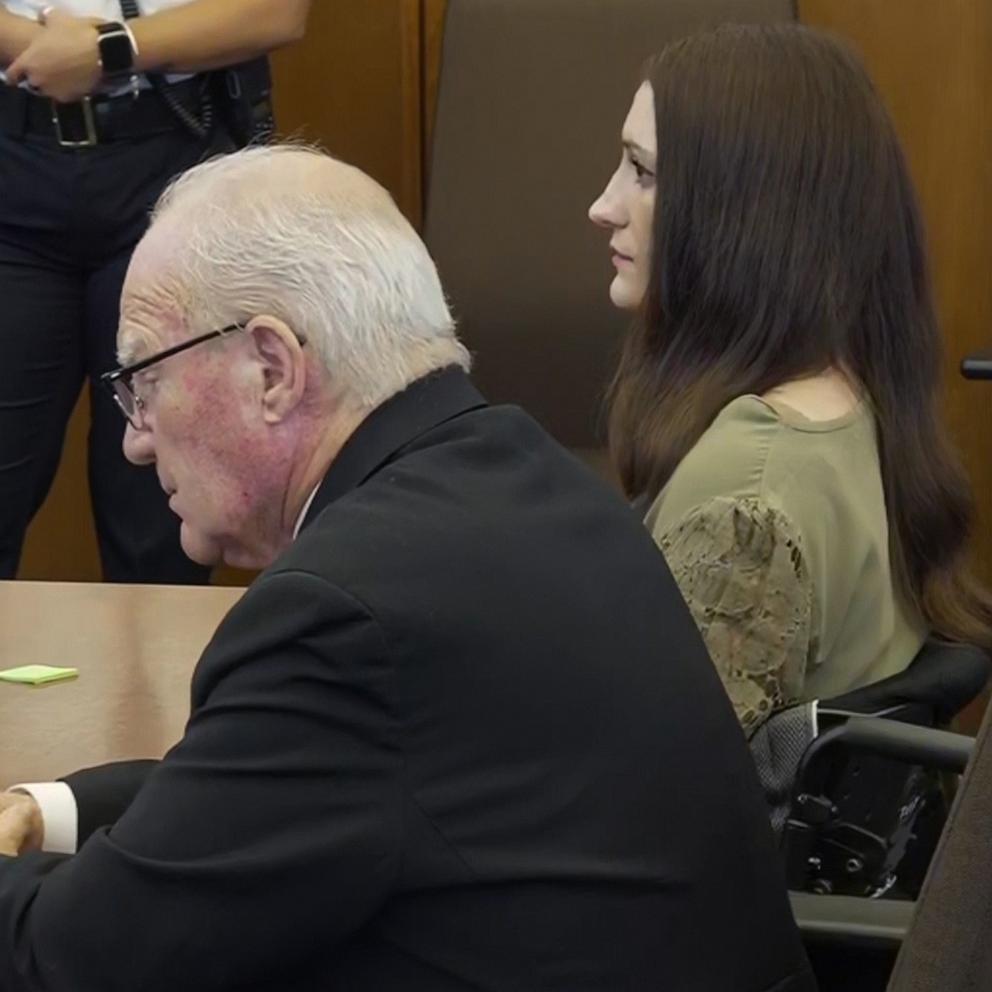
Paul Shanley, 78, was sentenced in 2005 to 12 to 15 years for raping a 6-year-old boy in a Boston suburb parish in the 1980s.
During Shanley's trial, the then 27-year-old victim testified that he never remembered the abuse until 2002 when news reports of other men accusing Shanley of sexual assault triggered his own memories -- disturbing scenes of Shanley pulling him out of Sunday school over a six-year period to rape and grope him in the bathroom, the confessional and the pews. Shanley had pleaded not guilty.
Internal church records within the Boston Archdiocese showed that church officials were aware of sexual abuse complaints against Shanley as early as 1967, according to the Associated Press.
Now, Shanley's lawyers assert that jurors never should have heard the victim's tearful account because the psychiatric community cannot agree on whether repressed memories truly exist.
"It's a very difficult issue for people to understand because you have a group of people who say this exists, you also have a large group of people to say that it has not been established," said Robert F Shaw Jr., Shanley's attorney.
The judge in Shanley's trial accepted the theory of repressed-recovered memories, as did a superior court that heard his first appeal in November.
But in an appeal to the Massachusetts Supreme Judicial Court Thursday, Shaw submitted a "friend of the court" brief backed by about 100 prominent experts in psychiatry, neuroscience, cognitive science and psychology that dismissed the validity of repressed memories.
The brief argued that "'repressed-recovered memories,' 'dissociative amnesia' and related concepts are best described as pernicious psychiatric folklore devoid of convincing scientific evidence. Such theories are quite incapable of reliably assisting the legal process."
Shaw said, "We are not talking about not thinking about something and later remembering it and we're not talking about somebody who has some memory distortion and then can't remember part of a experience later. We are talking about somebody who was in a concentration camp and then forgot it ever happened."