Should Parents Bury Miscarriage Remains?
N E W Y O R K, Oct. 26 -- Two years ago, Cecelia McGregor had a miscarriage. She was 10 weeks into her pregnancy.
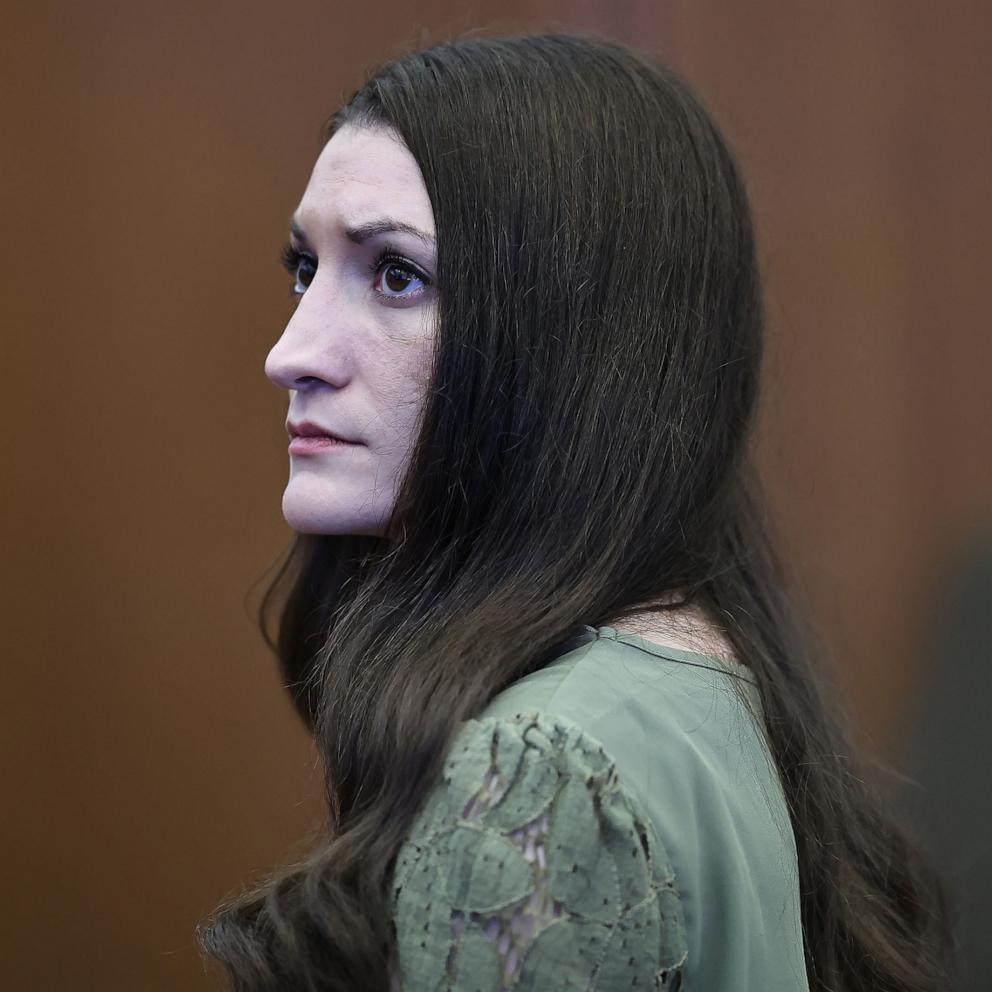
But today the 29-year-old nurse and mother of two from Minooka, Ill., a suburb of Chicago, says she is still fighting to obtain what’s left of the remains of the baby she named Angelica Rose from the hospital where she had a procedure to remove the dead tissue that remained in her womb after she miscarried.
She says she has been struggling with Provena Saint Joseph Medical Center, in Joliet, Ill., to get what she calls the “products of conception,” some of which she thinks the institution still may possess, so the remains could have a proper burial.The hospital refuses to comment, citing patient confidentiality
McGregor is part of a small but growing movement of parents and healthcare professionals nationwide who are demanding hospitals give parents the option of burying or cremating remains left from a miscarriage. McGregor says she had asked nurses and laboratory technicians about what would happen to the tissue after her procedure, but could not get any information.
States Address Older Fetuses
While most states, like Illinois, only give parents choice in the disposition of the remains after 20 weeks of pregnancy, a few states, such as Massachusetts, require hospitals to tell parents they can control the burial or cremation of remains after any stage of a pregnancy loss. Funeral homes handle the arrangements. Parents in the Bay State also can ask the hospital to handle the remains, which may or may not bury or cremate the remains.
But in the majority of states, contents of the womb prior to 20 weeks of gestation would be handled like medical waste. Hospitals incinerate the material as they would tumors or gallstones.
Experts say some parents are becoming more attached to developing fetuses these days than they were decades ago. There are a number of reasons — technology such as ultrasound and in-vitro fertilization has called unprecedented attention to developing human life, as have the efforts of the anti-abortion rights movement. As a result, parents experiencing miscarriages are experiencing grief from them more acutely, and are seeking rituals to give them comfort. Approximately 500,000 miscarriages occur in the United States each year.