Drinking, Breastfeeding Mothers: Where's the Line?
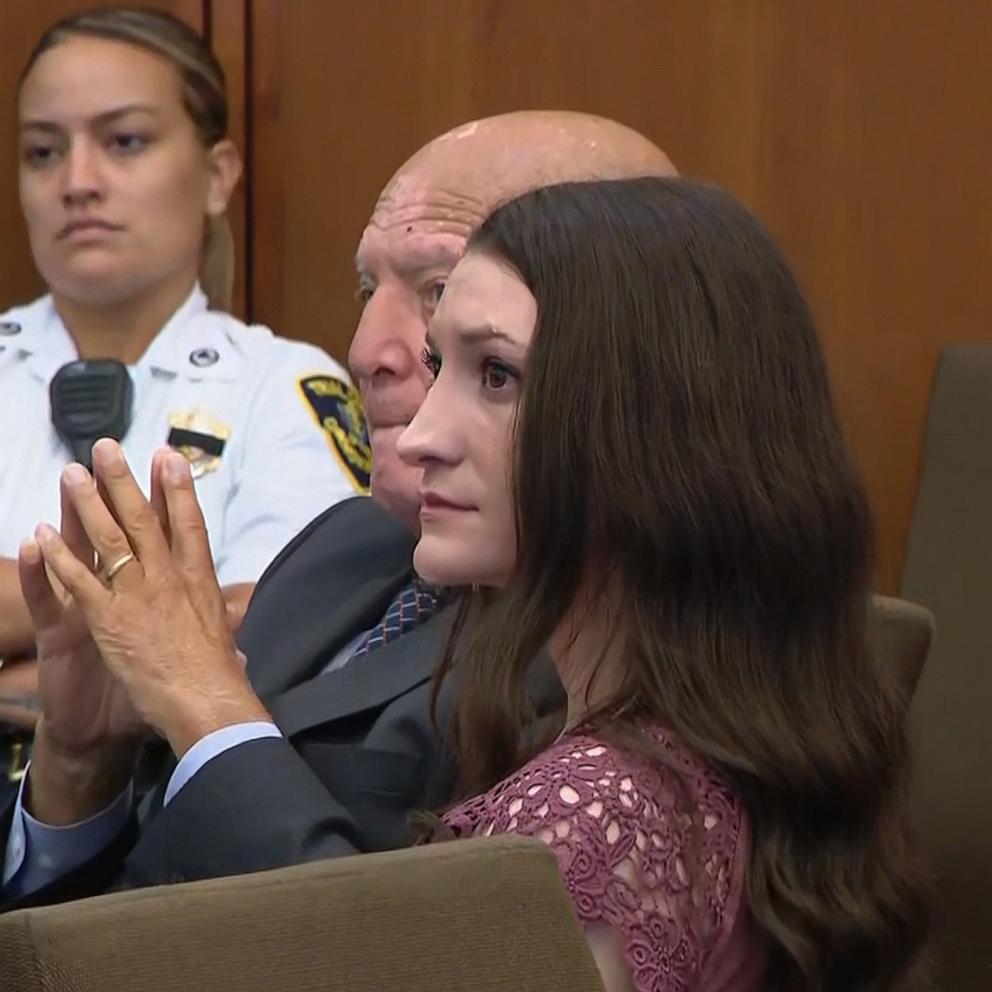
June 26, 2009 — -- Stacey Anvarinia, 26, pled guilty to charges of child neglect filed earlier this year for breastfeeding her child while she was drunk.
Police had been called to her home in Grand Forks, N.D., on an unrelated domestic disturbance call, and while they were there, an intoxicated Anvarinia began to breastfeed her 6-month-old child. The officers learned from a local hospital that breastfeeding while under the influence of alcohol was not good for the child, and they charged her with neglect.
While Anvarinia's was an extreme case, the truth is that most mothers are not teetotalers, nor are they expected to be. But there are no consistent guidelines regarding alcohol consumption following pregnancy during the time when mothers may be breastfeeding.
While the ideal postpartum abstention from alcohol, since ethanol can move rapidly into the breast milk, lactation experts agree that moderate alcohol consumption by a mother does not pose major threats to an infant.
"Breastfeeding is not a prison for women," said D. Miriam Labbok, director of the Center for Infant and Young Child Feeding and Care at the University of North Carolina at Chapel Hill. "It depends how much [the mother] ingested and over how long."
Ethanol from alcoholic drinks can move quickly into breast milk from the mother's bloodstream within an hour of ingestion. Depending on the person's metabolism and how much alcohol was consumed over time, it can take two or more hours for the alcohol to leave the mother's system. If a child is breastfeeding during this time, they can receive up to about one fifth of the amount present in the blood.
"If the mom has a dose, the baby gets a dose," Labbok said. "It adds up."
Despite receiving far less concentrations than the mother, the alcohol can hit a child harder because they are smaller and their livers are not developed enough to properly metabolize the alcohol. Therefore, the compounds remain in the infant body longer.
In Anvarinia's case, breastfeeding while intoxicated turned out to be a Class C felony, in which there is a failure to provide proper parental care and control.