• Video
  • Shop
  • Culture
  • Family
  • Wellness
  • Food
  • Living
  • Style
  • Travel
  • News
  • Book Club
  • Newsletter
  • Privacy Policy
  • Your US State Privacy Rights
  • Children's Online Privacy Policy
  • Interest-Based Ads
  • Terms of Use
  • Do Not Sell My Info
  • Contact Us
  • © 2026 ABC News
  • News

1st human known to be infected with H5N5 strain of bird flu dies, Washington state officials say
0:25
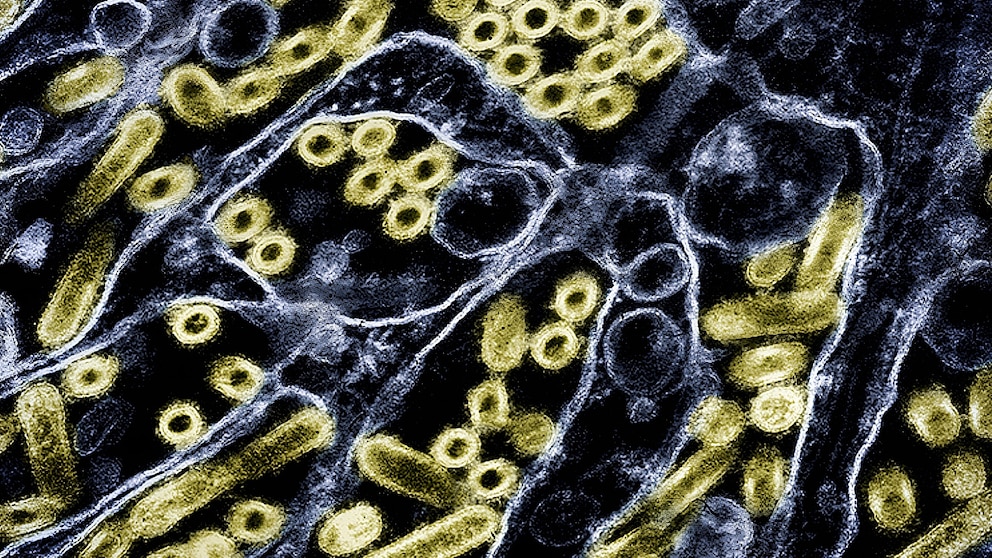
Washington man dies from complications of H5N5 bird flu
NIH-NIAID/Image Point FR/BSIP/Universal Images Group via Getty Images
ByYouri Benadjaoud
November 22, 2025, 3:59 AM

The first human to have ever been infected with the H5N5 strain of bird flu has died, Washington state health officials confirmed late Friday.

The person was an older adult with underlying health conditions, the Washington State Department of Health said in a news release.

The person had a backyard flock of mixed domestic birds. No other details were released out of respect of the family’s privacy, health officials said. 
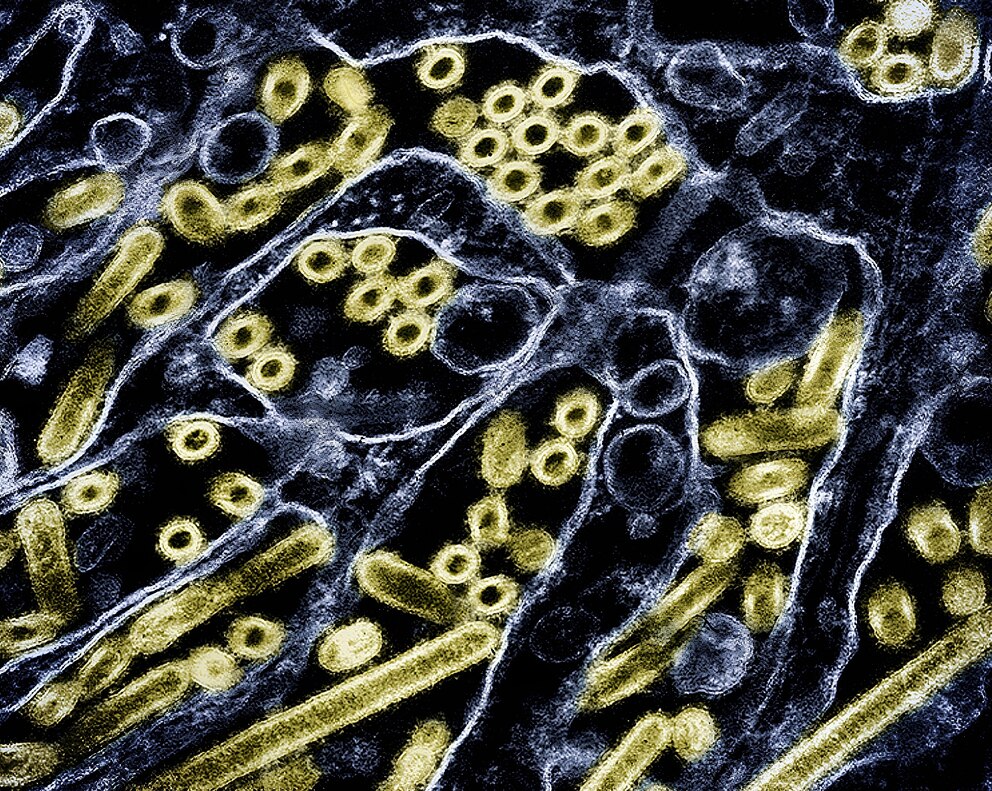
PHOTO: Avian influenza a virus
Colorized transmission electron micrograph of avian influenza A H5N1 virus particles (gold), grown in Madin-Darby Canine Kidney (MDCK) epithelial cells.
NIH-NIAID/Image Point FR/BSIP/Universal Images Group via Getty Images

Related Articles

1st US human bird flu case in 9 months confirmed with strain only seen in animals before

There are various types of bird flu strains. The 70 human cases reported in the United States over the past year and a half involved the strain known as H5N1

The H5N5 strain has been previously reported in animals, but never before in humans, according to the health department.

The risk to the public remains low, health officials said. No other people involved have tested positive for bird flu, and there is no evidence of the virus spreading between people, according to health officials.

Bird flu, also known as avian influenza, has been present in birds for decades, but in recent years it has started to infect more and more mammals.

Related Articles

Bird flu is continuing to spread in animals across the US. Here's what you need to know

In early March 2024, the U.S. Department of Agriculture announced that a bird flu strain that had sickened millions of birds across the U.S. was identified in several mammals.

Since then, there have been at least 70 confirmed cases among humans in the U.S., not counting the Washington state patient, according to the CDC.

Most human cases have occurred after coming into contact with infected cattle, infected poultry farms or other culling operations.

The majority of cases have been mild -- with symptoms such as red eyes and fever -- but a few have resulted in more severe symptoms. In January, the first bird flu death was confirmed among an older patient with underlying conditions  

The CDC and other public health officials say there is currently no evidence of human-to-human transmission and the risk to the general public is low.

ABC News' Mary Kekatos contributed to this report.

Up Next in News—

Gas station clerk speaks out after foiling alleged kidnapping

April 15, 2026

Oklahoma high school principal takes down would-be shooter, hailed as hero

April 15, 2026

Family seeks answers after influencer Ashlee Jenae is found dead on vacation in Tanzania

April 15, 2026

Couple shares warning after nearly losing down payment in mortgage fraud

April 10, 2026

Shop GMA Favorites

ABC will receive a commission for purchases made through these links.

Sponsored Content by Taboola

The latest lifestyle and entertainment news and inspiration for how to live your best life - all from Good Morning America.
  • Contests
  • Terms of Use
  • Privacy Policy
  • Do Not Sell My Info
  • Children’s Online Privacy Policy
  • Advertise with us
  • Your US State Privacy Rights
  • Interest-Based Ads
  • About Nielsen Measurement
  • Press
  • Feedback
  • Shop FAQs
  • ABC News
  • ABC
  • All Videos
  • All Topics
  • Sitemap

© 2026 ABC News
  • Privacy Policy— 
  • Your US State Privacy Rights— 
  • Children's Online Privacy Policy— 
  • Interest-Based Ads— 
  • Terms of Use— 
  • Do Not Sell My Info— 
  • Contact Us— 

© 2026 ABC News