2 DOGE staffers say 'no' regrets for people losing income, didn't reduce the deficit: Depositions

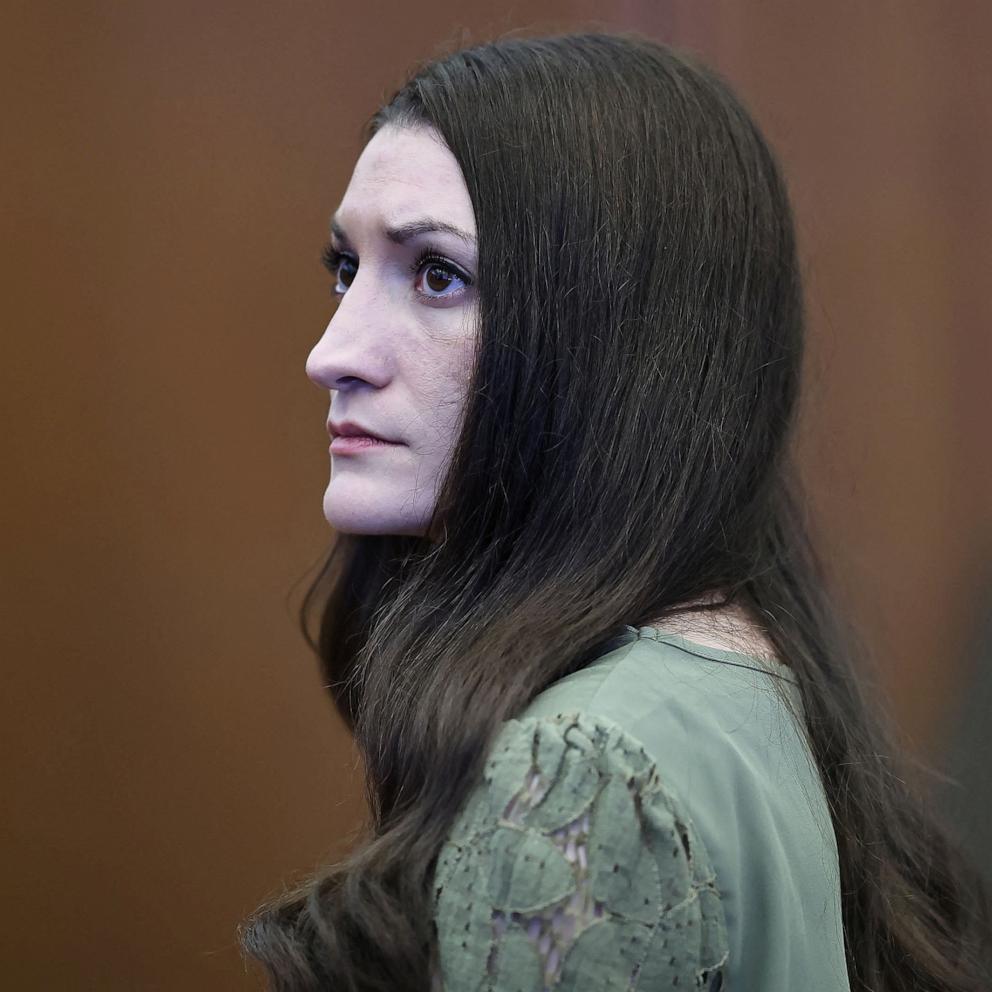
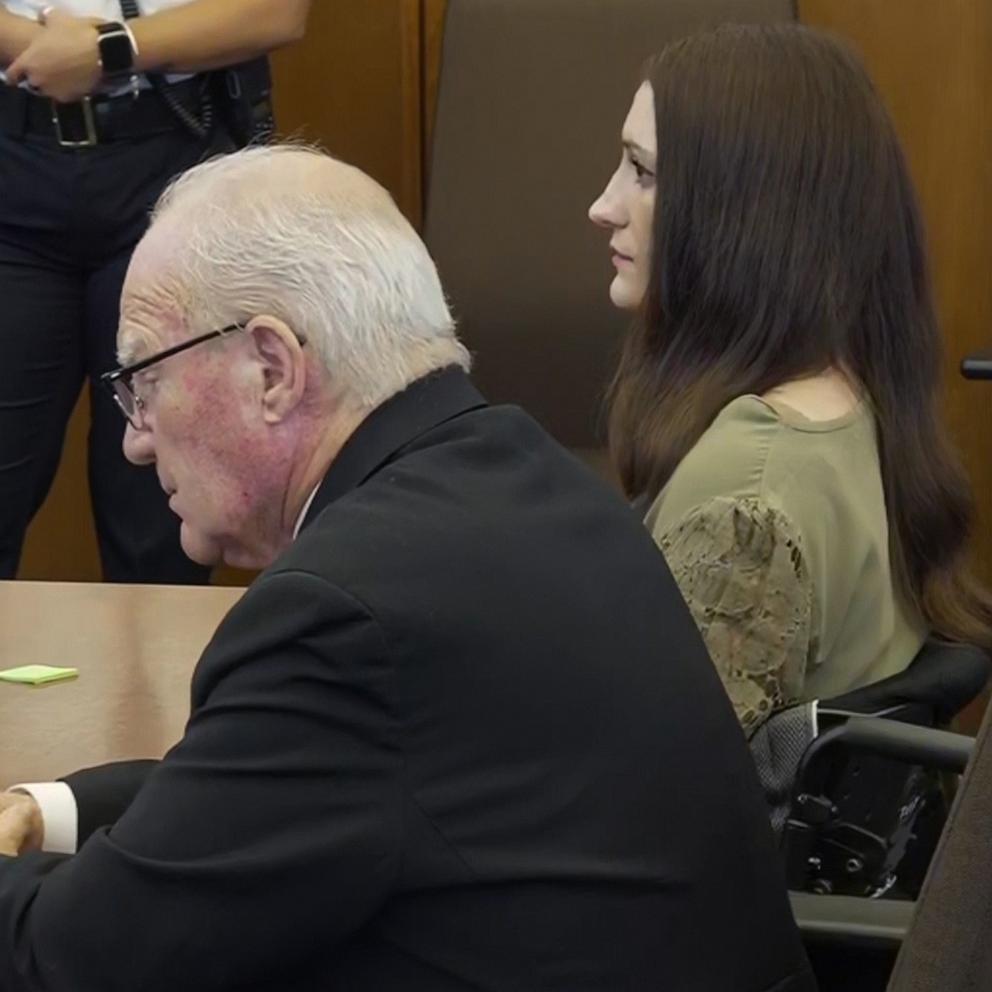
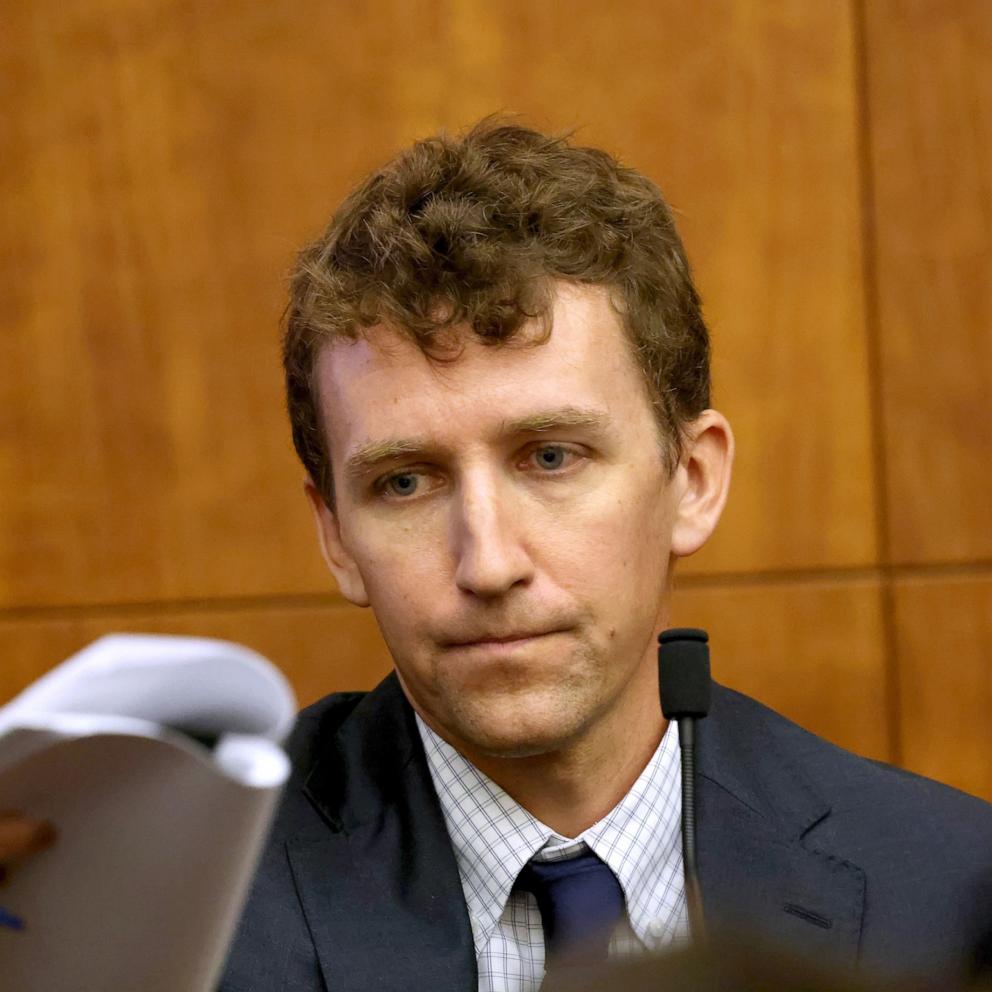
One year after Elon Musk began an unprecedented attempt to eliminate swaths of the federal government, newly released deposition videos are providing a never-before-seen look at two of the people responsible for the largest mass termination of federal grants in the National Endowment for the Humanities' history.
According to the depositions and other materials released as part of a civil lawsuit related to the funding cuts, the Department of Government Efficiency (DOGE) relied on ChatGPT to identify more than $100 million in grants related to diversity, equity, and inclusion (DEI) that were later cancelled.
When President Donald Trump returned to office last January, he empowered Musk to slash federal spending as a lead adviser in the newly created DOGE. Within days, all agencies were directed to put DEI staff on leave and related programs were shuttered.
In lengthy depositions, two DOGE employees -- Justin Fox and Nate Cavanaugh -- defended the effort to cut "useless agencies" as part of DOGE's attempt to reduce the federal deficit.
"You don't regret that people might have lost important income ... to support their lives?" an attorney asked Cavanaugh about the grant cancellations.
"No. I think it was more important to reduce the federal deficit from $2 trillion to close to zero," Cavanaugh said.
"Did you reduce the federal deficit?" the attorney asked.
"No, we didn't," Cavanaugh said.
With backgrounds in tech and finance, neither man worked in government prior to joining DOGE last year. Cavanaugh said they originally determined which grants could be cut based on if they included certain words -- like "DEI, DEIA, Equity, Inclusion, BIPAC, LGBTQ" -- though the final decision about cuts was up to the head of individual agencies.
"Do you think it's inappropriate in any way that someone in their 20s with no experience with grants for the federal government was making personal judgment calls about what grants to cancel?" an attorney asked.
"Um, no. I don't think it's inappropriate," Cavanaugh said, arguing that he did not need formal education or experience to make informed judgments.
"So presumably you read some of these books that would have informed you on how to cancel a grant based on DEI," the attorney asked.
"Um, I did not read a book, um, on how to discern whether a grant includes DEI or not. I read the actual description of the actual grant," Cavanaugh said.
Fox said they instead turned to OpenAI's ChatGPT to help sift through the thousands of grants awarded by the National Endowment for the Humanities.
According to court filings, the men prompted ChatGPT by asking, "From the perspective of someone looking to identify DEI grants, does this involve DEI? Respond factually in less than 120 characters.· Begin with 'Yes.' o. 'No.' followed by a brief explanation.· Do not use 'this initiative' or 'this description' in your response."

Fox was repeatedly pressed by attorneys to explain certain funding decisions, such as defunding a language center -- described as a "wasteful, noncritical spend" -- or projects related to Black history and civil rights.
"Why is a documentary about Holocaust survivors DEI?" an attorney asked.
"It's a gender-based story that's inherently discriminatory to focus on this specific group," Fox said.
According to the depositions and legal documents, the men did not provide a clear definition for DEI or take additional steps to ensure the decisions were not discriminatory -- arguing it was not necessary because AI software was not the final decision-maker.
"Did you do anything to ensure that ChatGPT's perception of DEI as applied here wouldn't discriminate on the basis of sex?" an attorney asked, prompting another objection.
"It didn't matter," Fox said.
DOGE's efforts in multiple federal agencies and departments last year faced opposition and lawsuits, with critics raising concerns about the group's effectiveness and its access to sensitive data.
“President Trump was given a clear mandate to eliminate waste, fraud and abuse from the federal government. In just a year, he has made significant progress in making the federal government more efficient to better serve the American taxpayer," the White House said in a statement.
Both Fox and Cavanaugh defended the funding decisions, arguing the cuts were necessary to reduce the deficit, though they never achieved their goals.
"Did you ever find it problematic that you were, alongside Nate, short-listing for termination projects that had hits on words like Black, homosexual, LGBTQ+?" an attorney asked, prompting an objection and follow up question.
"We were identifying wasteful spend in the government based on administration direction. That was the whole reason we were there, was to find savings," Fox said, though he acknowledged the deficit was never reduced.
Their work cutting grants from the National Endowment for the Humanities was memorialized in a social media post by DOGE, which vowed that any future grants would be "merit-based and awarded to non-DEI, pro-America causes."
According to the depositions, some of the saved funds were spent on the National Garden of American Heroes -- a sculpture garden to commemorate the country's 250th anniversary.