21 species have been delisted from the Endangered Species Act, and not for a good reason

The U.S. Fish and Wildlife Service has delisted 21 species from the Endangered Species Act due to extinction, the agency announced Monday.
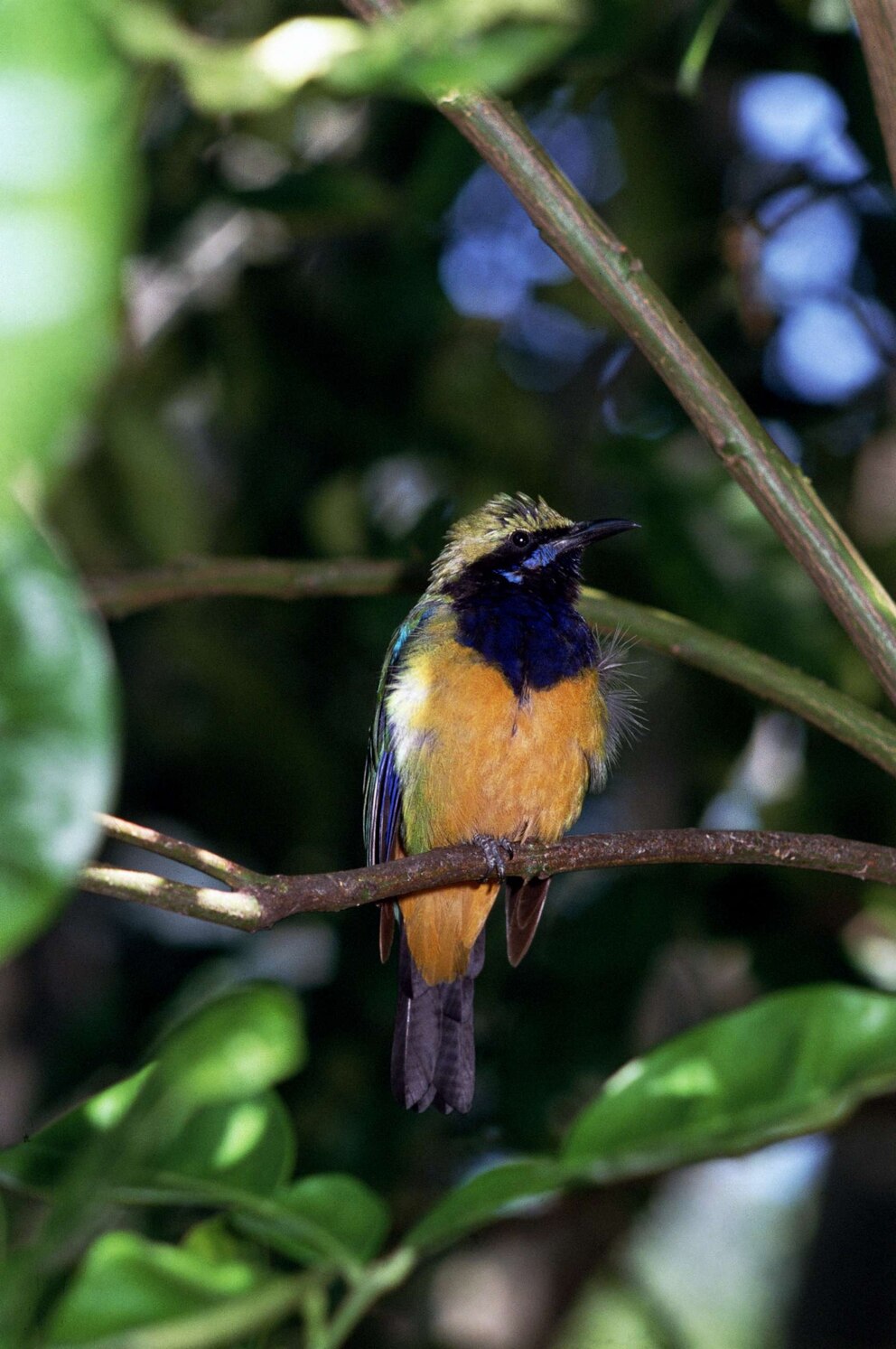
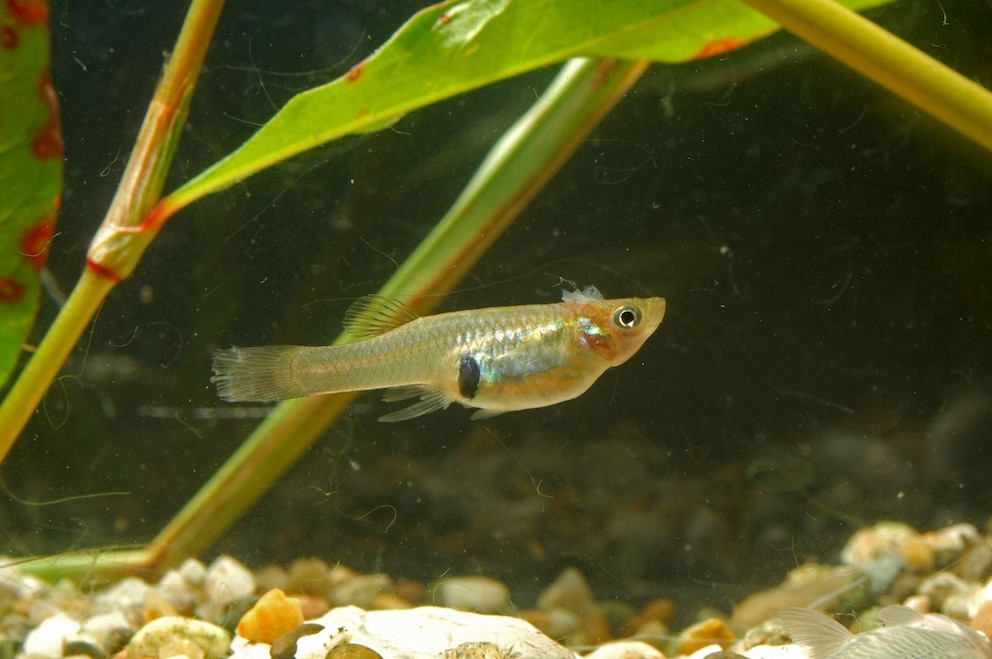
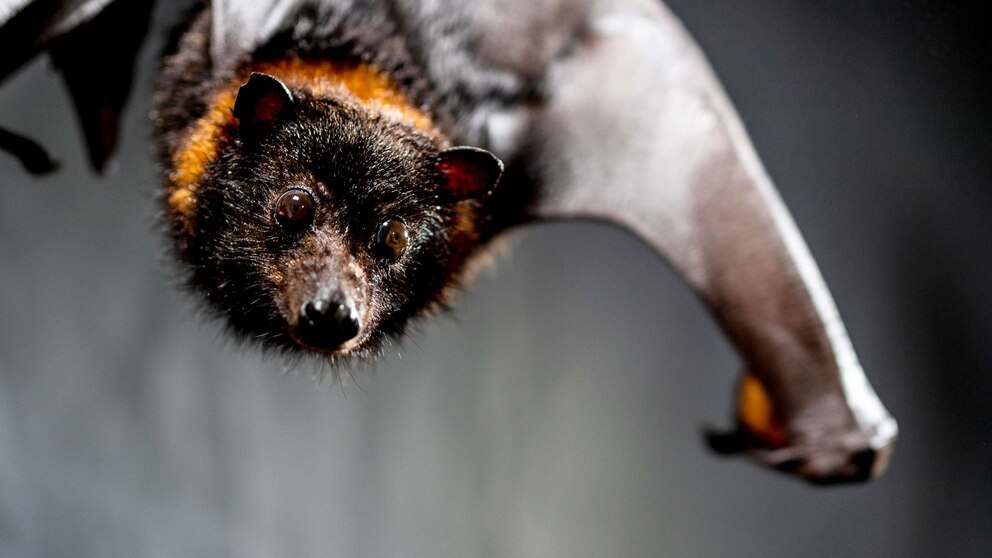
The service had proposed the delisting of nearly two dozen species in September 2021 due to extinction. Included in the group of animals now declared extinct are the Little Mariana fruit bat, also known as a flying fox, in Guam; two species of fish, including the San Marcos gambusia in Texas and Scioto madtom in Ohio, and eight species of mussels. Ten species of birds, including the Bachman's warbler, a small yellow and black songbird, in Florida and South Carolina; the Bridled white-eye, a green, yellow and white tropical lowland forest bird from Guam, and eight honeycreeper species in Hawaii, have also been delisted.
The decision to delist the species was made after rigorous reviews for each of the species, most of which were listed under the ESA in the 1970s and 1980s, when populations were already dwindling severely, according to the USFWS.
The action signals a "wake-up call" on the importance of conservation, especially for threatened species, before the decline becomes irreversible, according to the USFWS.
"Federal protection came too late to reverse these species' decline, and it's a wake-up call on the importance of conserving imperiled species before it's too late," USFWS Director Martha Williams said in a statement. "As we commemorate 50 years of the Endangered Species Act this year, we are reminded of the Act's purpose to be a safety net that stops the journey toward extinction. The ultimate goal is to recover these species, so they no longer need the Act's protection."
The stakes for threatened species are higher in the South, Southern Environmental Law Center's Wildlife Program Leader Ramona McGee in a statement.
"We host a globally significant variety of plants and animals that are under mounting pressure because of humanmade threats, including climate change and habitat loss," McGee said.
Human activity has pushed more than 1 million species to the brink of extinction, a 2019 United Nations report found.
The Hawaiian birds declared extinct are a "case in point" of the effects human activity has had on biodiversity, as their forest habitats were razed by development, Noah Greenwald, endangered species director for the Center for Biological Diversity, said in a statement. Several more bird species in Hawaii are also on the brink of extinction, Greenwald said, adding that climate change is exacerbating risks to threatened species.
"Few people realize the extent to which the crises of extinction and climate change are deeply intertwined," Greenwald said. "Both threaten to undo our very way of life, leaving our children with a considerably poorer planet. One silver lining to this sad situation is that protecting and restoring forests, grasslands and other natural habitats will help address both"
The extinctions also underscore the severity and consequences of the biodiversity crisis, Danielle Kessler, U.S. director of the International Fund for Animal Welfare, said in a statement.
"The threat of extinction is becoming a reality for a growing number of imperiled species, and this serves as a grim and urgent reminder that robust support for our nation's bedrock wildlife protection laws remains critical," Kessler said.
Despite the recent extinctions in the U.S., the ESA remains one of "the most effective and comprehensive conservation laws in the world," McGee said.
The ESA is credited with saving 99% of listed species from extinction, according to the USFWS. More than 100 plant and animal species have been delisted based on recovery or reclassified from endangered to threatened due to improved status and growing populations.
Hundreds more species listed in the ESA are stable or improving due to the collaborative actions of Native American tribes, federal agencies, state and local governments, conservation organizations and private citizens, according to the USFWS.