These 3 meteor showers are happening in late July: What to know
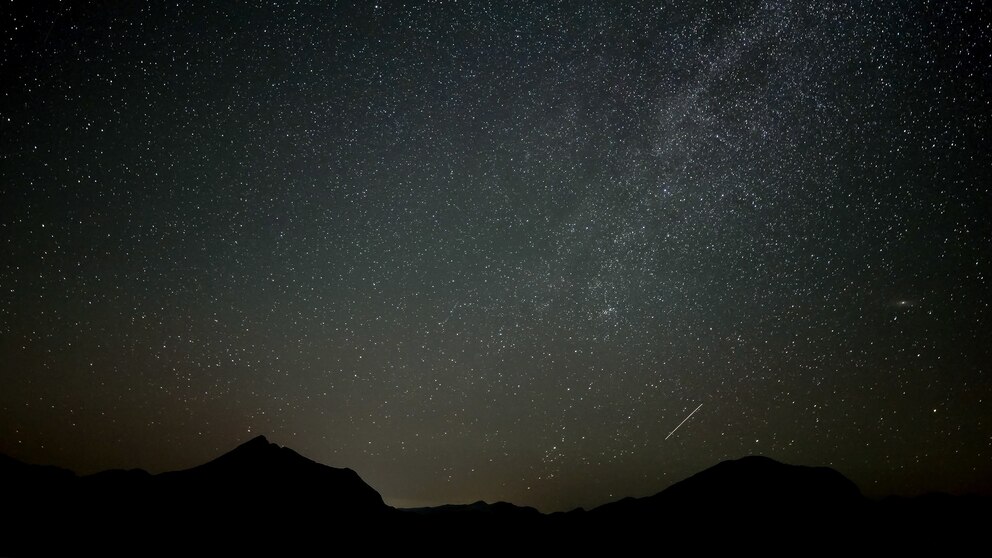
It may be the best time of year for stargazers to witness meteors blazing through the night sky.
Late July will offer the chance to witness three separate meteor shower events happening at the same time, according to the American Meteor Society (AMS).
Adding to the sky show, the moon will be in the evening sky and set before meteor activity is strongest, meaning its brightness won't diminish the visibility of the meteors, according to AMS.
For best viewing, NASA advises spectators to lie flat on their backs in a region away from light pollution. Meteors should be visible after about 30 minutes, when eyes adjust to the darkness.
The Alpha Capricornids
The Alpha Capricornids are one of the two meteor showers peaking in late July.
The minor shower began on July 7 and will last through Aug. 13, but is expected to peak on July 30, according to AMS.
The Alpha Capricornids are known to produce fireballs -- typically three to five an hour, at maximum, astronomers say. Most of the shower members are faint, but some can appear brighter than any of the surrounding stars, according to AMS. The meteors appear slow-moving.
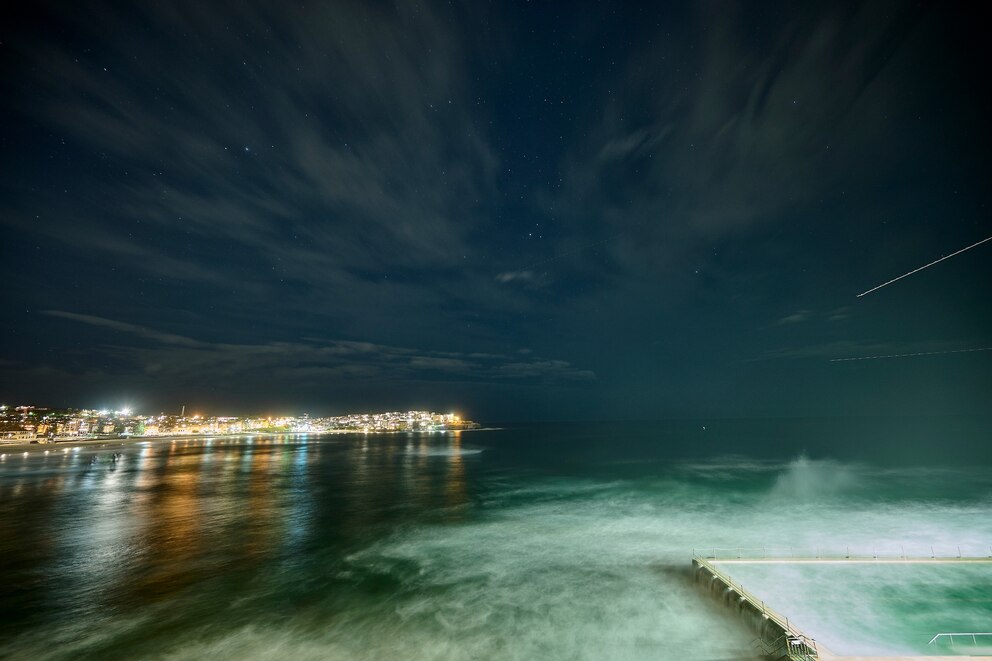
In late July, the meteors radiate near the area of Alpha Capricorni, a double star visible to the naked eye. This area of the sky rises in the east at about 8 p.m. Local Daylight Time, but very little activity can be seen at this time because many of the meteors are blocked by the horizon.
Astronomers recommend waiting to view the Alpha Capricornids until later at night, when the radiant -- where the meteor appears to originate from -- has gained more altitude and the moon has set, according to AMS.
The radiant lies highest in the sky between midnight and 1 a.m. LDT. To find them at this time, look south.
The Southern Delta Aquariids
Night owls will benefit when searching for the Southern Delta Aquariids, according to AMS.
To see them, look toward the radiant near southwestern Aquarius, just west of the star known as Delta Aquarii, about 40 degrees east of the Alpha Capricornids.
They rise at about 10 p.m. LDT and are highest in the sky around 3 a.m. LDT.
They will reach maximum activity on July 30 -- the same night as the Alpha Capricornids, according to AMS. But they are easier to differentiate from the Alpha Capricornids because they are much faster -- typically less than a second.
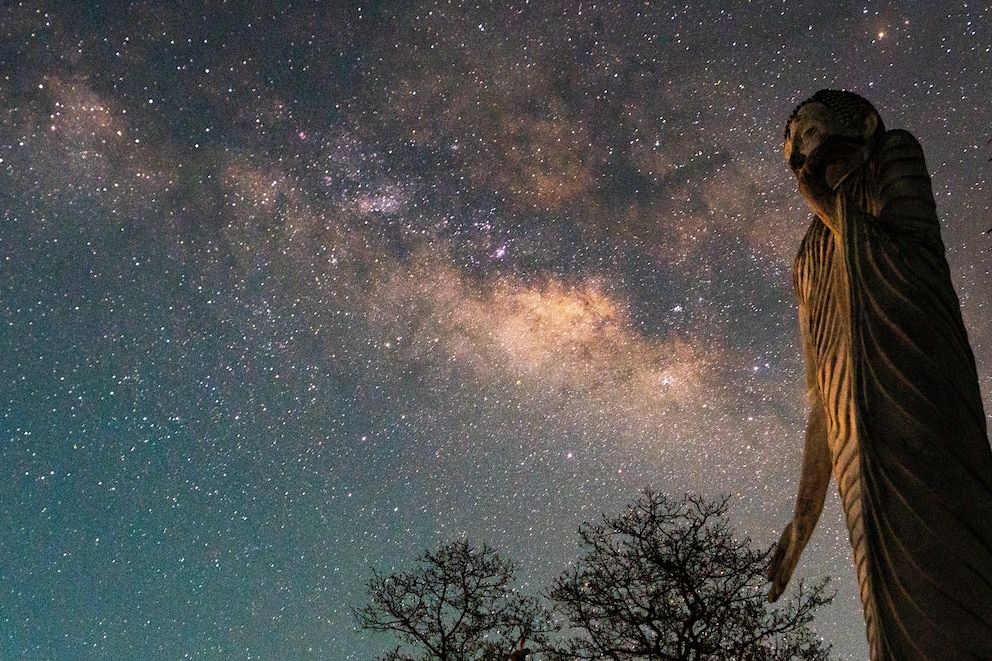
Hourly rates around 3 a.m. on the morning of July 30 should be about five to 10 meteors, according to AMS. However, in the southern hemisphere, where the radiant lies overhead, rates can reach between 10 and 20 meteors per hour.
The Southern Delta Aquariids began on July 19 and will run through Aug. 13.
The Perseids
The Perseids, considered by astronomers to be the best meteor shower of the year, began on July 17 and are expected to last until Aug. 23, according to AMS. They typically peak in mid-August.
They are known for their fireballs -- large explosions of light and color that persist longer than an average meteor streak, according to NASA. Fireballs are brighter and originate from larger particles of cometary material.
The Perseids' "swift and bright" meteors often leave streaks of light and color behind as they track through the sky, according to AMS.
They originate from the debris left behind by the comet Swift-Tuttle as it orbits the sun every 133 years.
The Perseids can be viewed all over the night sky but are best seen from the Northern Hemisphere during the pre-dawn hours, according to NASA.
To find them, look toward the constellation Perseus, where the radiant of the Perseids appears to originate.
This year, the Perseids are expected to peak around Aug. 12, according to EarthSky.org.