30,000 Experience Brain Aneurysm Rupture Each Year

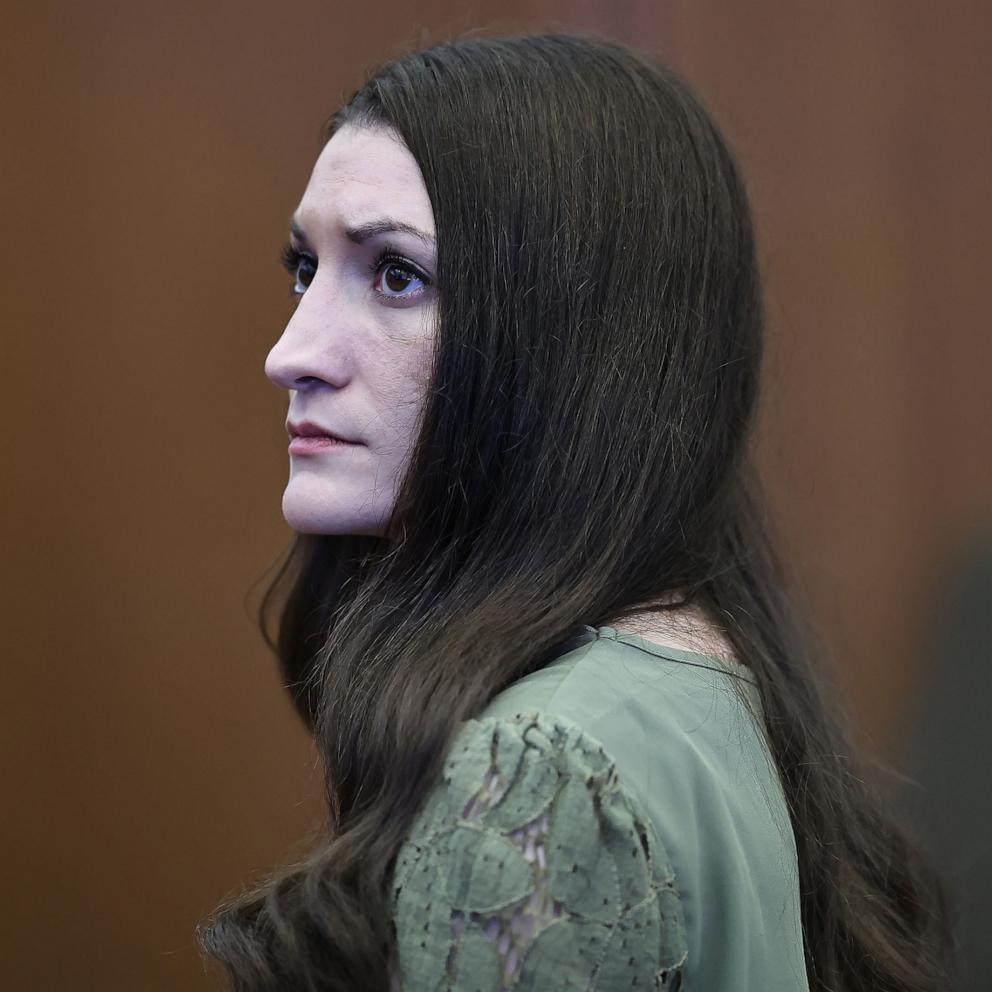
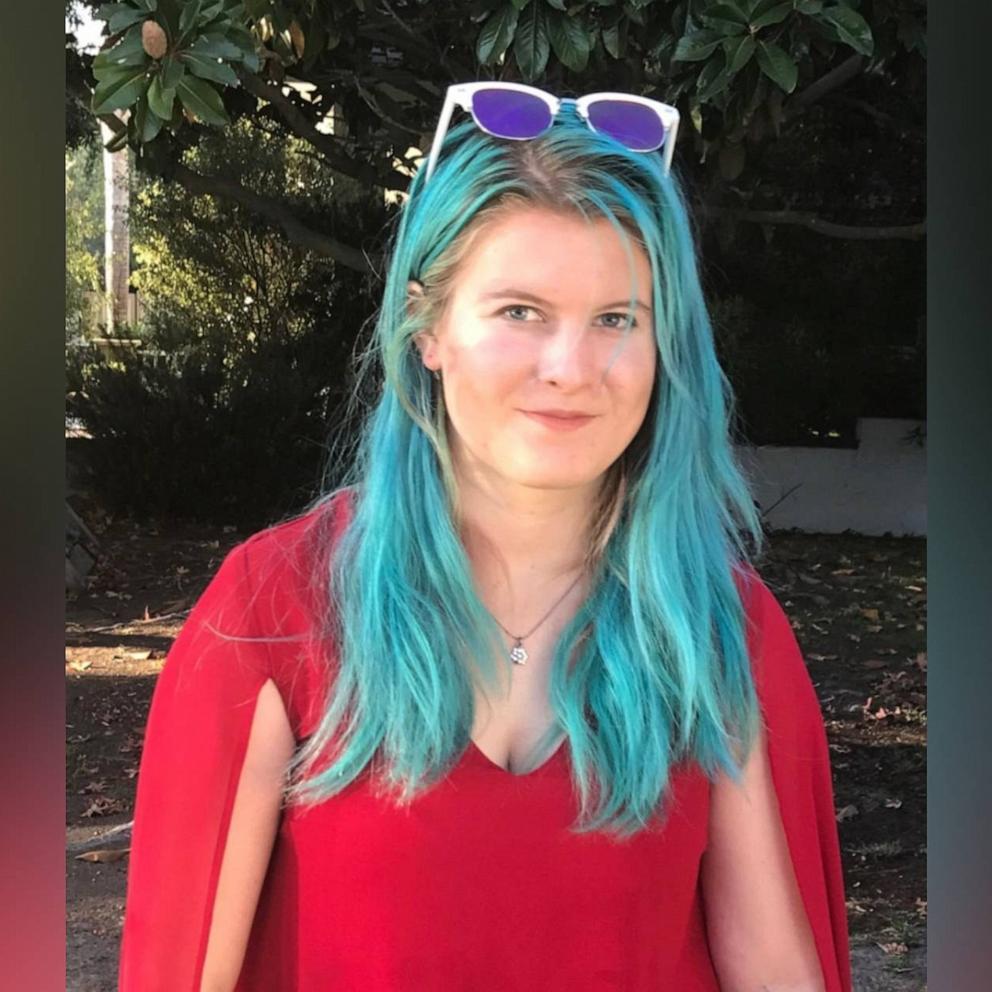
— -- For over 14 years, Lisa Colagrossi was a fixture of New York television news. Last week, she died of a brain aneurysm at the age of 49.
Colagrossi is one of an estimated 30,000 people in the U.S. who experience a rupture of a brain aneurysm, a bulging, weak area in the wall of an artery, according to the National Institutes of Health. Aneurysms typically form at the branches in the brain’s arteries where blood vessels are the weakest. The most common breaks occur at the base of the brain.
Approximately 40 to 50 percent of brain aneurysm ruptures are fatal, said Dr. M. Shazam Hussain, a neurologist with the Cleveland Clinic’s Neurological Institute.
“Many die before they make it to the hospital,” Hussain said. “Of those who survive, a third will go home, a third will have a disability and a third will die in the hospital.”
About 5 percent of people have a brain aneurysm, Hussain said. Fortunately, only about one in 10,000 of them will rupture and the vast majority of people with the condition live long, health lives, he added.
“The majority of time there are no symptoms leading up to the rupture until right before the bleed,” Hussain said.
When there are symptoms, Hussain describes them as “stroke-like,” including severe headache, difficulty speaking, weakness, vomiting and loss of consciousness.
Colagrossi, who collapsed while returning from a television shoot, was the typical age for a rupture Hussain said.
“You can see them in people as young as 18 but the average age is between 50 and 60,” he said.
The best way to save someone’s life when they've had a rupture of a brain aneurysm is to seek medical attention as soon as possible so they can be stabilized and treated, Hussain advised. Staying healthy, treating high blood pressure and avoiding tobacco is the best way to avoid one in the first place, he said.
Someone with a family history of brain aneurysm ruptures should talk to their doctor about the possibility of getting a brain scan, Hussain said. If one is discovered, doctors will often recommend regular monitoring but in high-risk cases they may be treated, he said.
Colagrossi joined ABC's New York station WABC days after the World Trade Center attacks in 2001. She is survived by her husband Todd, and their two sons, Davis and Evan.
Editor’s Note: A previous version of this story stated in the headline that 30,000 people die each year from aneurysms. In fact, 30,000 people experience brain aneurysm rupture each year.