3.5 billion-year-old crater created by meteorite impact found in Australia, scientists say

The discovery of a massive crater formed by the impact of a meteorite more than three billion years ago is changing the way scientists view the history of Earth and the planet's stages of evolution.
Researchers in Australia found the crater in Western Australia's Pilbara region and believe it's the oldest impact crater in the world, at about 3.5 billion years old. That surpasses the previous record-holding impact crater by more than 1.25 billion years, according to a paper published in Nature Communications on Thursday.
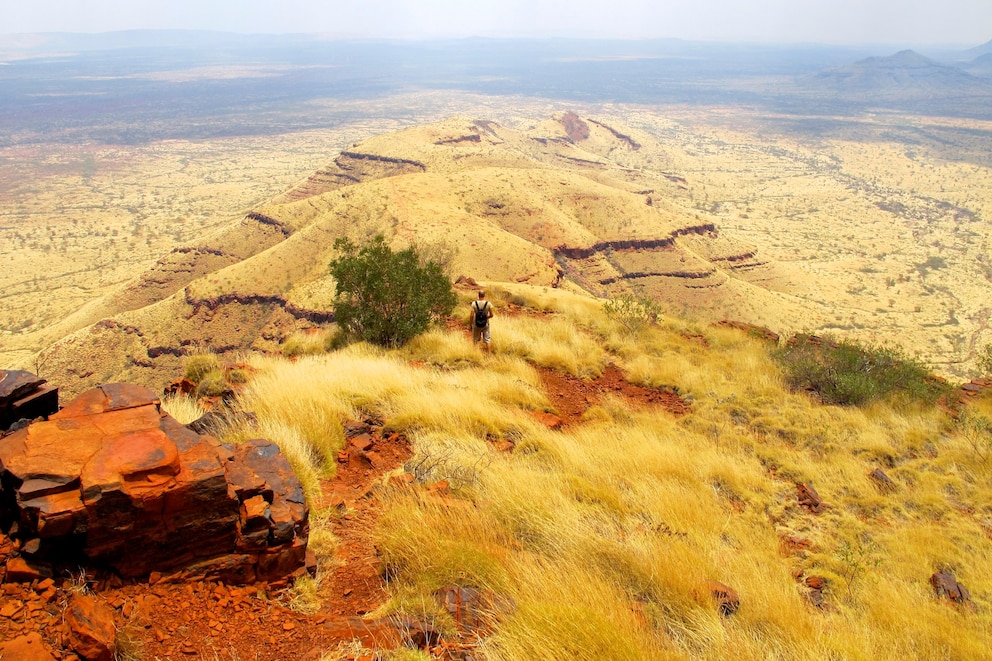
A distinctive rock formation helped the research team locate the Pilbara crater. "Exceptionally preserved" shatter cones – that is, cone-shaped fractures found in rocks that have been subjected to extreme pressure from a shock wave – were located near the impact site, a 62-mile-wide area now called North Pole Dome, the scientists said.
The shatter cones offer "unequivocal evidence" of a very high-speed impact about 3.47 billion years ago, the researchers said. The meteorite likely struck Earth at more than 22,370 miles per hour, according to the paper.
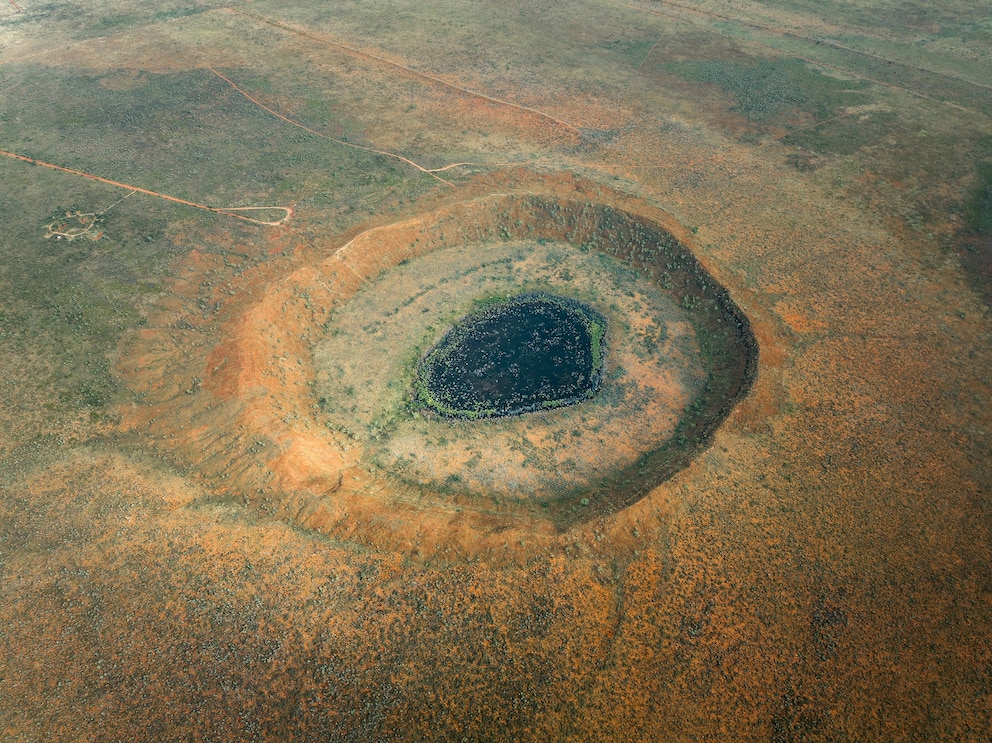
The "major planetary event" would have resulted in a crater more than 60 miles wide, the researchers said.
In addition, the Pilbara crater sheds new light on how meteorites shaped the Earth's early environment, said Chris Kirkland, a geologist at Curtin University in Australia and co-lead author of the study, in a statement.
The meteorite strike may have even contributed to the formation of cratons, which are large, stable landmasses that became the foundation of continents, Kirkland said.
The impact could have kicked up rock deep beneath the earth that eventually spread globally as the meteorite strike sent debris flying. The age of the impact is “statistically indistinguishable” from old rock beds in South Africa, according to the study.
"[T]he tremendous amount of energy from this impact could have played a role in shaping early Earth’s crust by pushing one part of the Earth’s crust under another, or by forcing magma to rise from deep within the Earth’s mantle toward the surface," Kirkland said.
Previous research indicates that large impacts were common in the early solar system, said Tim Johnson, a geologist at Curtin University and a co-author of the paper, in a statement. The moon itself, with more than a million craters exceeding one kilometer (.62 miles) in diameter, is evidence of "intense bombardment," according to the paper.
Impact craters also create friendly environments for microbial life, such as hot water pools, Kirkland said. The East Pilbara Terrain, which is part of the Pilbara Craton, contains an approximately 125-mile-diameter landmass containing mostly Paleoarchaean cratonic crust, estimated to be about 3.48 billion years old, according to the paper.
The second-oldest impact crater, estimated to have been created about 2.2 billion years ago, is also located in Western Australia, southwest of Pilbara, in Yarrabubba.
The discovery of the Pilbara crater challenges previous assumptions about the planet’s ancient history and provides a "crucial piece of the puzzle of Earth's impact," Johnson said.
The findings also suggest there could be other ancient craters on Earth waiting to be discovered, according to Johnson.
"Until now, the absence of any truly ancient craters means they are largely ignored by geologists," he said.