Abortion access, labor rights, legal pot among initiatives up for vote in states this November

As election season nears and all eyes are on the future of Congress, voters in several states will have a direct choice on major policies and laws.
The future of abortion access, legalized marijuana and even antiquated laws on slavery are some of the areas that will be addressed in ballot measures this November.
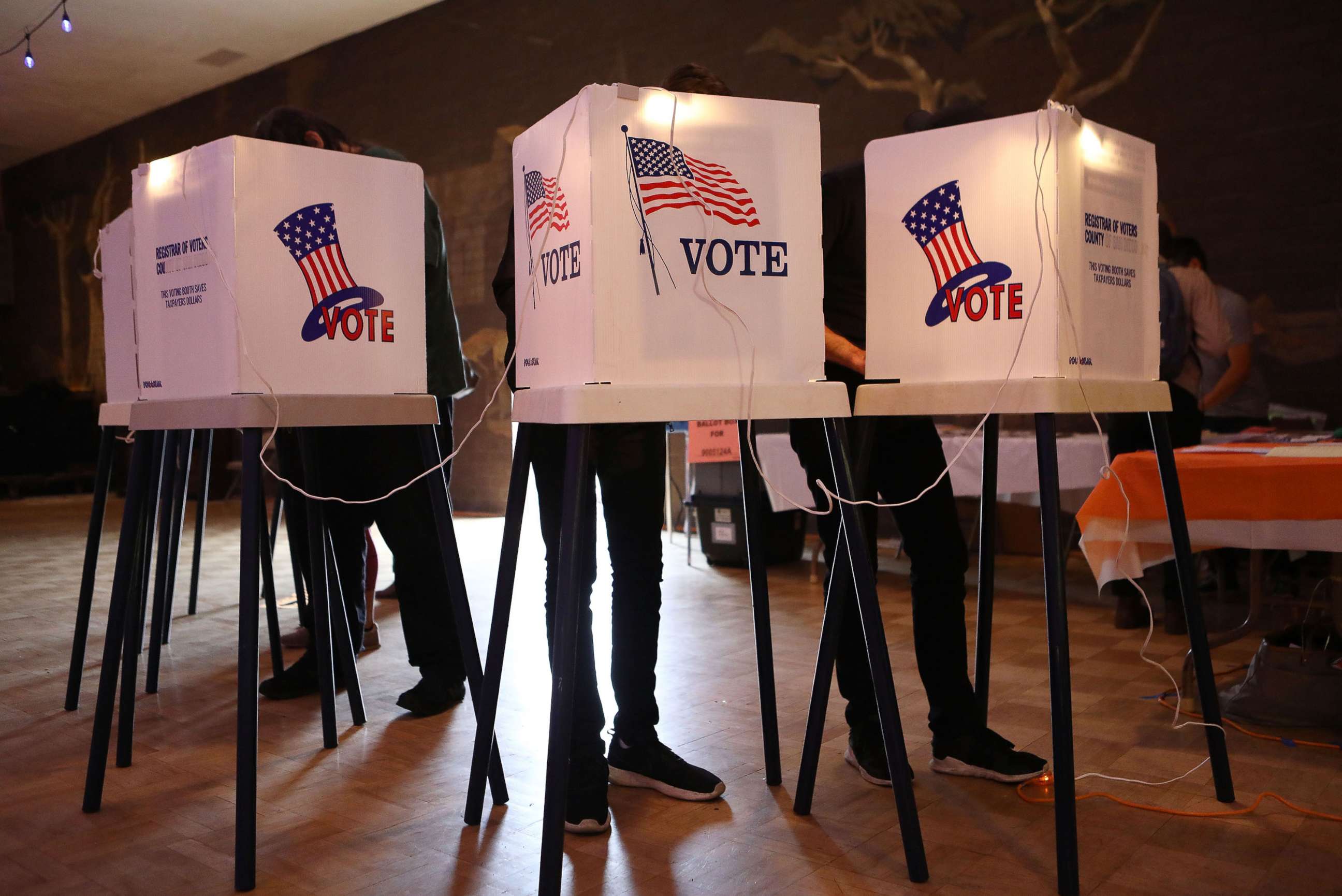
Here are some of the major topics that are up for a vote in ballot questions across the country:
Reproductive rights
After the U.S. Supreme Court's June decision to overturn Roe v. Wade, several states have ceased nearly all abortion services.
Other state legislatures, like New York, previously enacted laws that codified reproductive rights into law and many Democratic lawmakers have scrambled to ensure that rights held under Roe remain in their states.
In five states, voters will have a direct say in laws that will either restrict or protect a woman's right to choose.

Michigan and Vermont each have ballot questions that would amend their state constitutions with explicit language that says a woman's reproductive rights are protected.
The Michigan initiative was approved by a court after the Board of Canvassers failed to reach a decision on whether to add the abortion question to the ballot. Supporters of the initiative had asked the court to decide on it.
California voters will be asked to adopt a constitutional amendment that would prohibit the state government from interfering with a person's "reproductive freedom," which is defined to include a right to an abortion and a right to contraceptives, according to the language of the ballot.
In Kentucky and Montana, ballot measures are aimed at restricting abortion rights. If the Kentucky ballot measure passes, its state constitution will be rewritten to state nothing "shall be construed to secure or protect a right to abortion or require the funding of abortion."
If Montana's ballot measure is passed, its constitution will be rewritten to state "infants born alive, including infants born alive after an abortion are legal persons," and would make it a crime if anyone "purposely, knowingly, or negligently causes the death of a premature infant born alive, if the infant is viable."
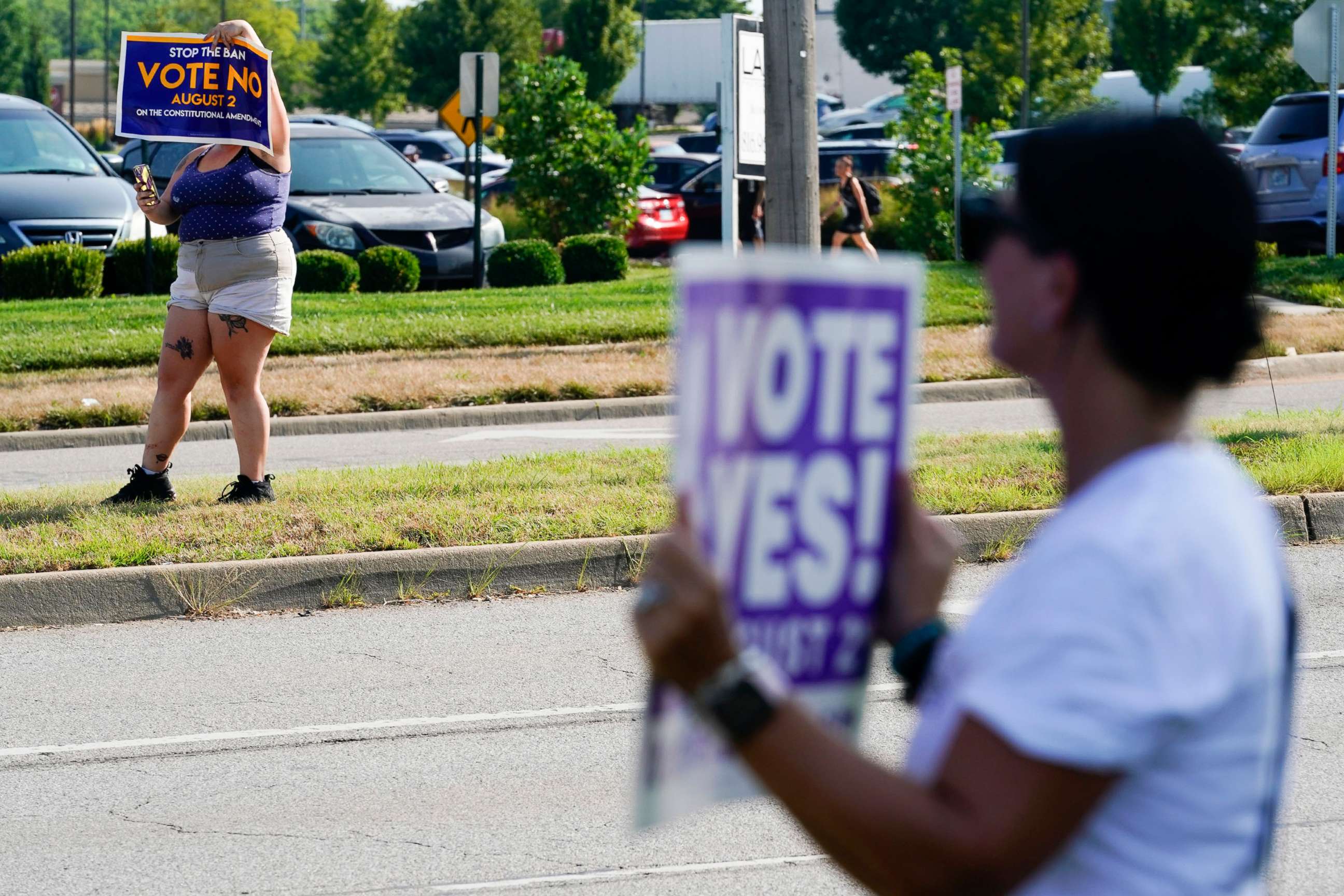
This is not the first time that voters have been able to amend their state's abortion access laws since the Supreme Court decision.
In August, voters in Kansas voted 59% to 41% to reject a ballot measure that would have repealed the right to abortion access in the state's constitution.
Legalizing drugs
Nineteen states and the District of Columbia have legalized recreational marijuana and five more states could be added to the list.
Maryland, Missouri, Arkansas, North Dakota and South Dakota all have ballot referendums on legalizing recreational marijuana this November.

All five of these states currently offer legal medicinal marijuana to their residents.
This is the second time the question has come up for voters in the Dakotas.
In 2018, about 59% of North Dakota voters voted no on a ballot measure that would have approved recreational pot, according to state election results. In the 2020 November election, 54% of South Dakota voters approved a ballot measure that would have legalized recreational marijuana through a constitutional amendment, according to state election results.
The measure, however, was struck down a year later after a lawsuit was filed by two law enforcement officers. A court found the ballot measure violated the state's single subject rule for constitutional amendments and was too narrow.
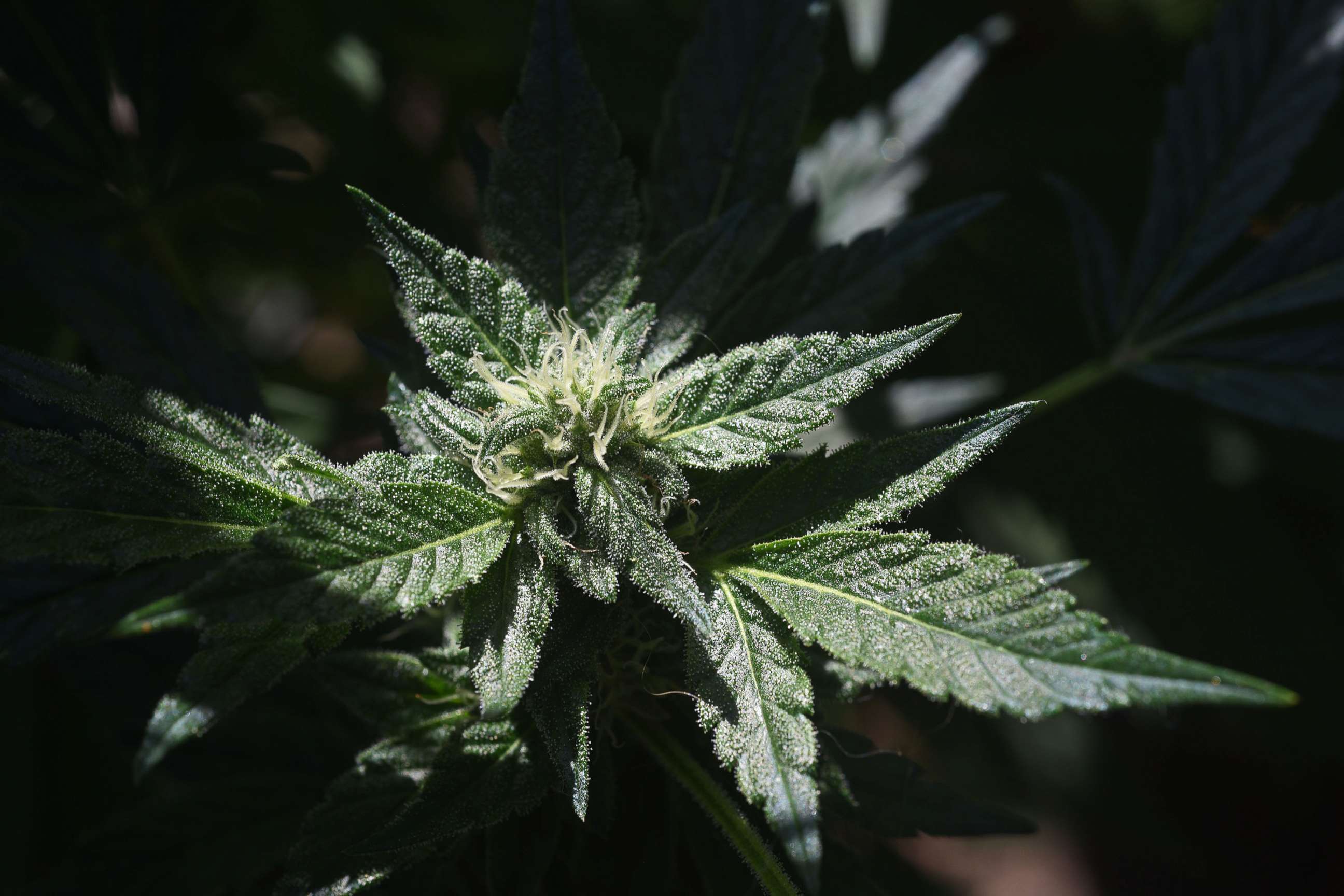
Colorado and Washington state became the first states to legalize recreational marijuana through ballot measures in the 2012 election. The future of recreational drugs is once again on the ballot in Colorado this November.
Voters in that state will decide on whether or not the state will decriminalize and legalize recreational psychedelic plants and fungi including dimethyltryptamine (DMT), ibogaine, mescaline (excluding peyote), and psilocybin.
Labor rights
Two states are letting their voters decide on rules governing union membership and organizing in their state.
The measures could affect the prevalence of unions amid an organizing surge nationwide.
In Tennessee, voters will decide on a ballot measure that, if passed, would change the state constitution and make it illegal for public and private workplaces to require labor union membership as a condition for employment.
The ballot measure, also known as right-to-work, gives workers the ability to opt-out of formal membership and dues payment in a union at their workplace.
Opponents of these laws, which are on the books in many Republican-led states, say they're intended to weaken unions since they produce a freeloader problem in which workers gain the benefits of union representation without supporting the organization financially.
In Illinois, a ballot question is presented to voters that would provide a state constitutional right for all employees to collectively bargain.
The Illinois measure is seen by pro-labor groups as giving employees across the state protections if they decide to collectively bargain and conduct union organizing. Opponents in the state, including the Illinois GOP, have criticized the ballot initiative contending that it will add another layer of regulation and hurt businesses.
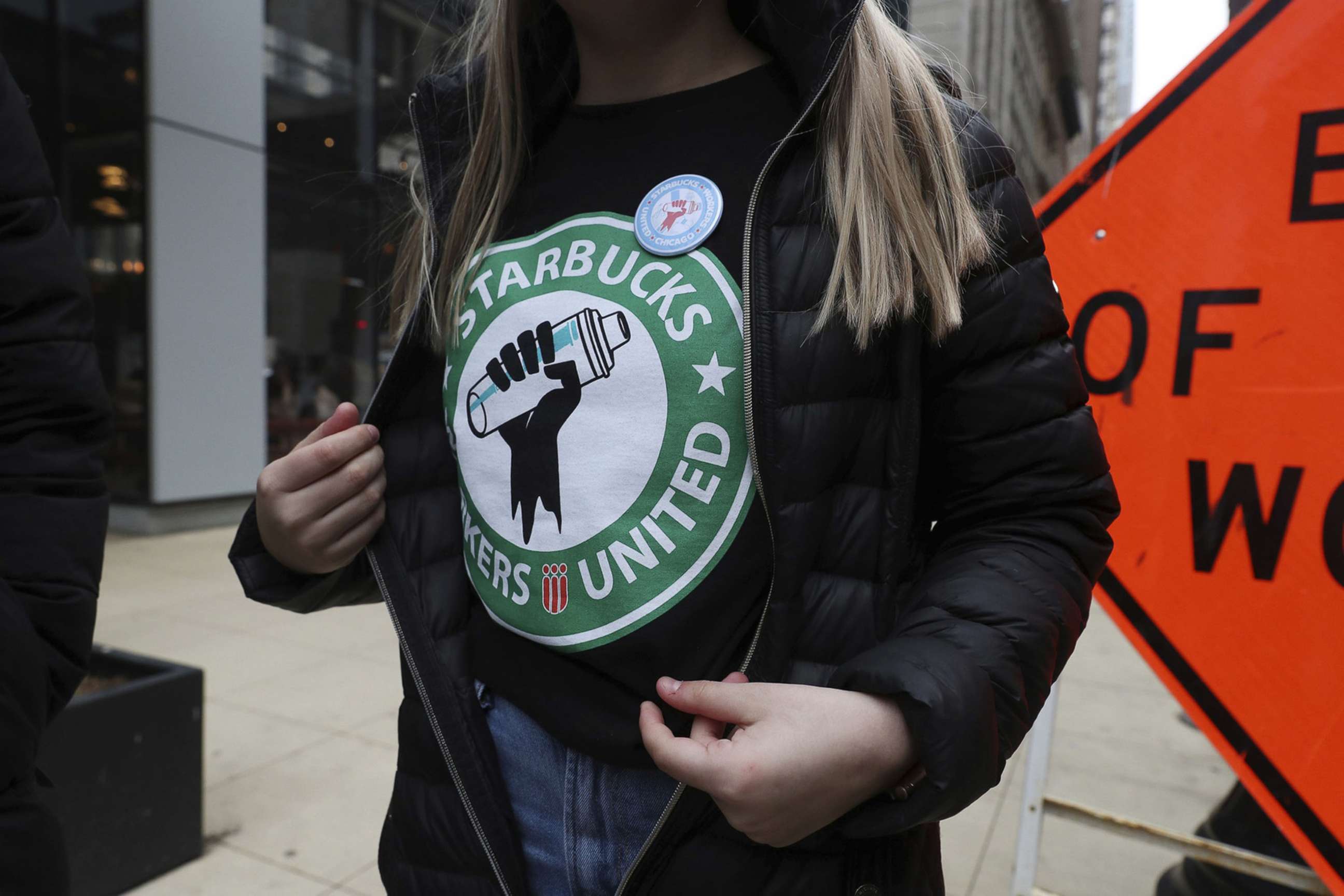
Both states have seen efforts by workers to unionize, specifically Starbucks employees.
Six Chicago area Starbucks locations have voted to unionize, with the latest vote taking place in August. A Memphis Starbucks location also voted to unionize in June.
Race
Over 157 years after the 13th Amendment ended slavery, some states still have slavery-related provisions in their constitutions and lawbooks.
Some of these laws include the use of slavery as punishment for a crime.
Although none of these laws are enforceable due to longstanding federal laws, four states are looking to officially remove those provisions from their constitutions and seek approval from voters.

Alabama voters will vote on an amended state constitution that removes several Jim Crow-era sections such as one that allowed for slavery as a punishment for a conviction, one that barred interracial marriage and one that separated schools for white and Black students.
Vermont, Tennessee and Louisiana also have ballot measures that would remove language from their state constitutions that permitted slavery as a form of punishment for criminal convictions.
ABC News' Nadine El-Bawab, Mary Kekatos and Max Zahn contributed to this report.