Afghanistan internet partially restored after days of silence
Afghanistan's internet has been partially restored after a two-day nationwide telecoms blackout, internet watchdog NetBlocks said on Wednesday.
The incident came after the Taliban leadership applied new "immorality" rules on telecom operators, Netblocks noted in a post on its X account.
This nationwide outage came gradually after the Taliban government's move to ban fiber-optic internet in Afghanistan's northern Balkh province, following the orders from Supreme Leader Hibatullah Akhundzada last month.
The provincial governor's spokesperson said at the time that the decision was made to curb "evils," adding that "a local alternative will be explored."
The possibility of losing connection with the World Wide Web, however, has been scary to many inside Afghanistan.
"We were all disappointed and confused when the gradual blackout started with the Wi-Fi outage two weeks ago," Zahra, a 27-year-old teacher, told ABC News Wednesday.
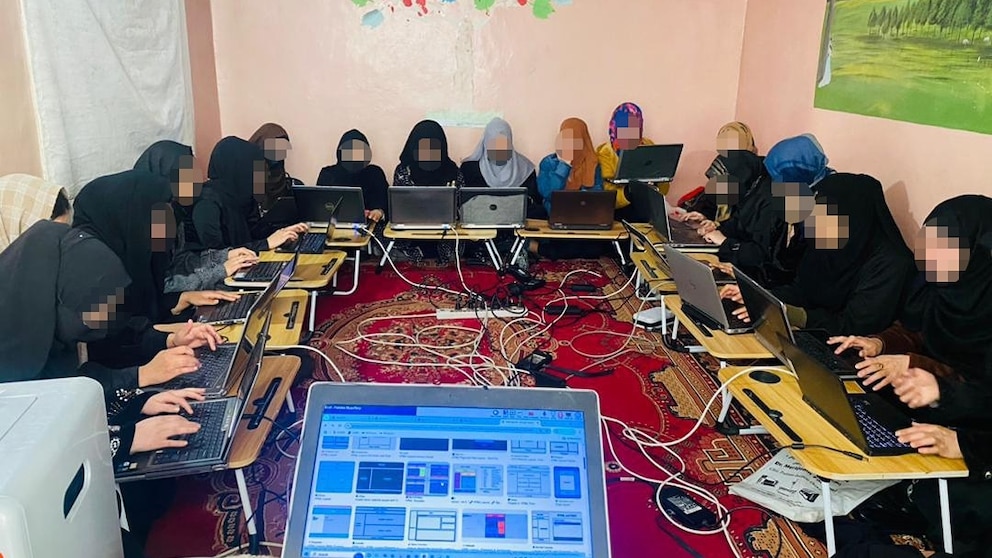
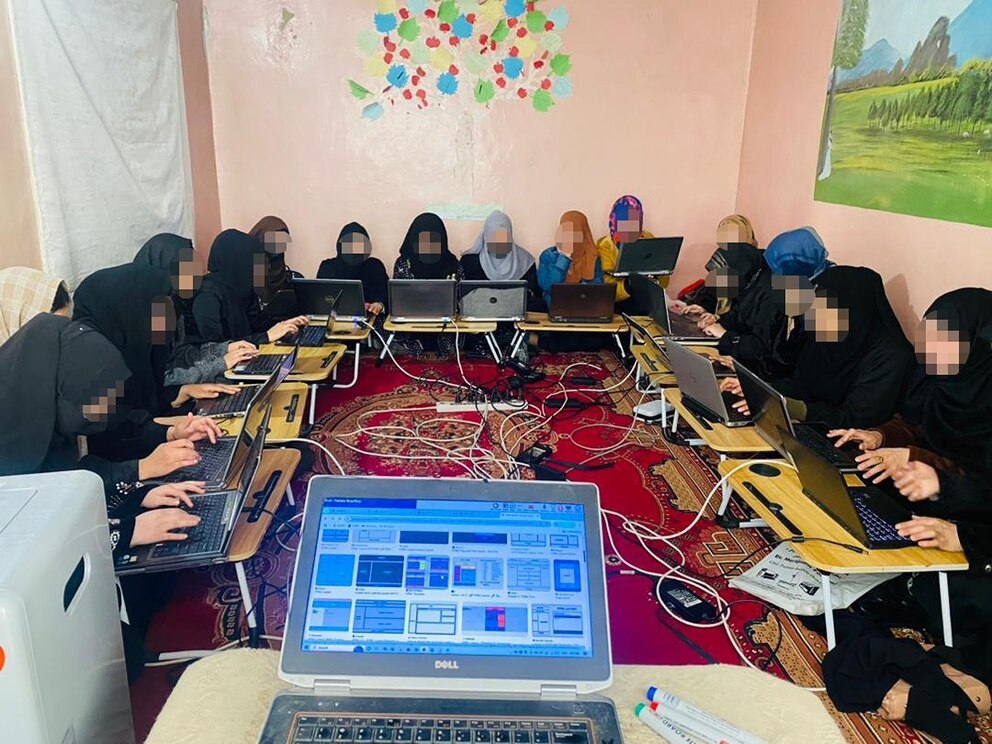
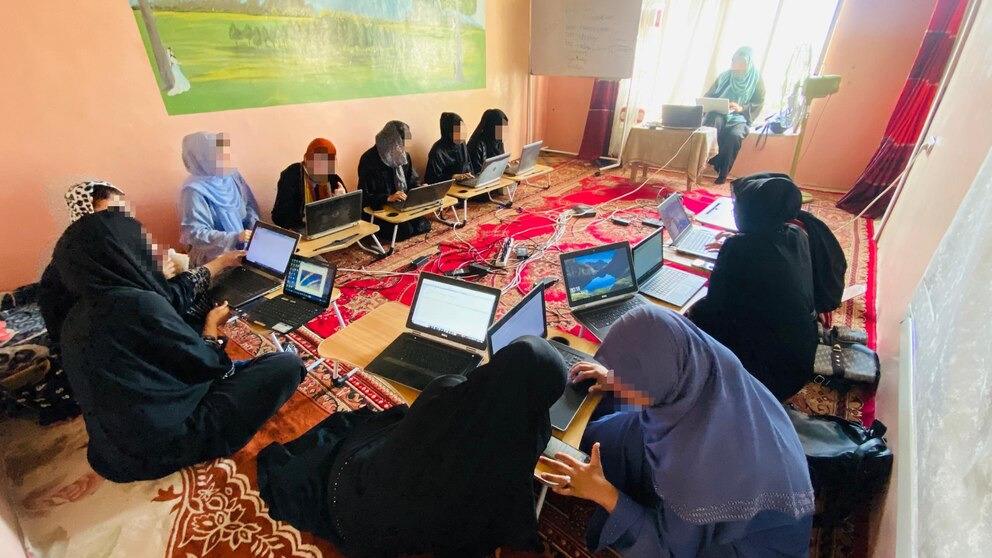
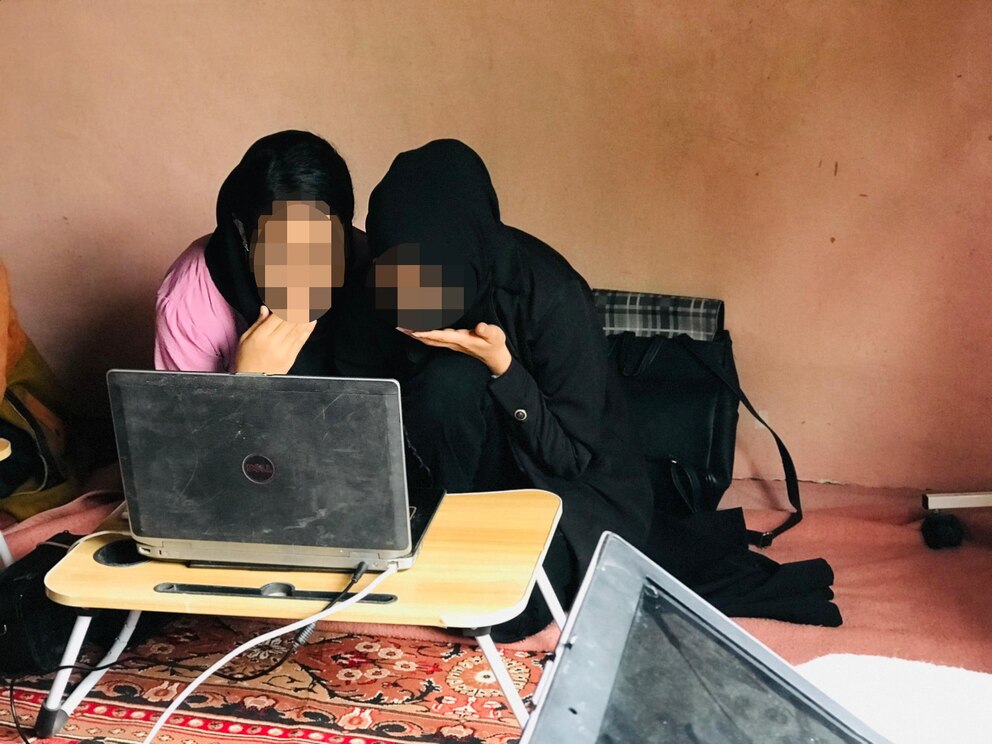
Zahra, who asked ABC News not to use her real name for security reasons, said she teaches IT and coding to 35 girls in a secret classroom used by students from 10th to 12th grades.
"When the phone data and phone calls were out three days ago, we were totally scared," she said in a phone interview after the partial restoration of the internet in the Balkh province.
While little is known about the internet cuts, the United Nations Assistance Mission in Afghanistan (UNAMA) said in a statement Tuesday that, since Sept. 16, there were interruptions in internet access in many parts of the country. The group noted that both internet and mobile access were cut in the capital Kabul and nationwide on the evening of Sept. 29, without prior notice.
The "immediate and far-reaching consequences" of such an internet ban, as listed by the UNAMA statement, include "further increasing the isolation of women and girls, limiting access to emergency services and medical care, disrupting the aviation sector, and limiting access to remittances for dependent families."
Zahra highlighted the fear the outage caused.
"My students would come in person to the class, but they were deeply concerned and scared of what was going on and not knowing what would await us all," Zahra said. "We do not have trust in what the government says and are afraid of a bigger political plot. We still do not know what it was."
The UNAMA also called on the Taliban authorities to urgently restore internet and telecommunications access across Afghanistan, saying the blackout would also constitute a further restriction on access to information and freedom of expression.
People on social media warned that the deeply unreliable internet access makes it even harder for girls who were enrolled in online classes to continue their education. Since schools remain closed for girls after sixth grade, online learning was their only hope to study. Not everyone can afford online classes, but those who can will now also suffer under outages.
"I teach coding and I need to have reliable access to the latest material online. We take a lot of risks to hold these secret classes. We can manage a short-term outage, but we cannot survive a longer-term blackout at all," Zahra said.
Former US ambassador to Afghanistan and Iraq Zalmay Khalilzad also highlighted the internet restoration in the country as some "good news" on his X account.
After the partial restoration of the internet, Taliban chief spokesman Zabihullah Mujahid told local outlet Tolo News that he was among these with no internet access. He said reports on the outage were "inaccurate," as Tolo News reported in a post on X.
ABC News' Morgan Winsor and Charlotte Gardiner contributed reporting