Agreement to reduce violence in Afghanistan set to begin, leading way for US-Taliban deal
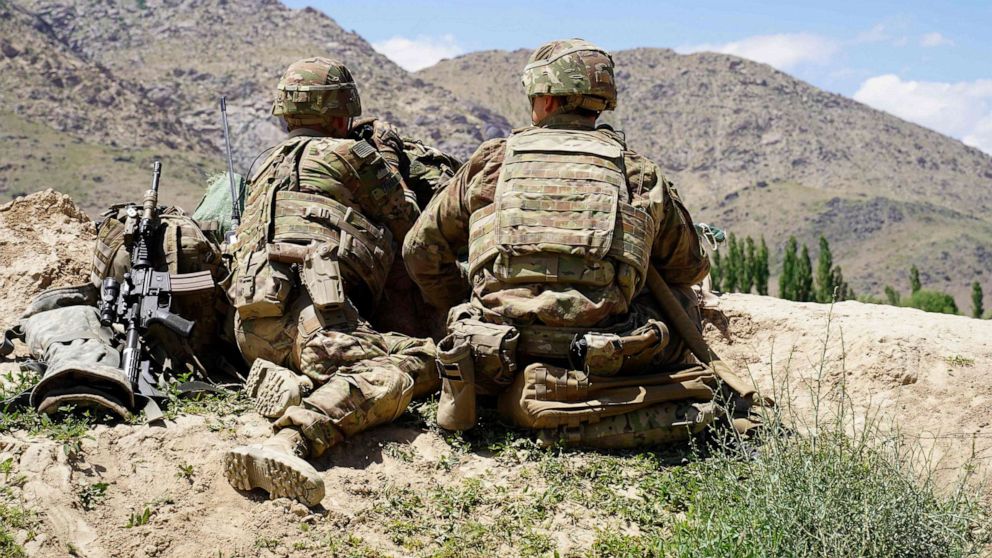
An agreement between the U.S. and the Taliban to reduce violence in Afghanistan will begin Friday at midnight local time, according to U.S., Afghan and Taliban officials.
If the seven-day truce is deemed successful, the two sides say they plan to sign a historic agreement on Feb. 29, where U.S. troops would begin a phased withdrawal and the Taliban would sit down with other Afghans for national peace talks and would commit to keeping Afghanistan from becoming a safe haven for terrorists.
That safe haven provided to the al Qaeda operatives responsible for the Sept. 11th attacks is what brought U.S. forces to Afghanistan more than 18 years ago. But while the deal could mean an end to that war and the large U.S. military presence in Afghanistan, critics say the U.S. is agreeing to withdraw in exchange for Taliban promises the militant group has no interest or ability to keep.
The seven-day deal applies nationwide and includes security forces of the Afghan government, which is supported by the U.S., but rejected by the Taliban. It is "very specific," according to a senior administration official, including prohibiting roadside bombs, suicide bombs and rocket attacks.
Afghan President Ashraf Ghani had been calling for a nationwide ceasefire before any final deal, but in an address to the nation Friday night, he welcomed the deal with cautious optimism, calling the deal an important step in laying the ground for a ceasefire and lasting peace. But he warned that the Afghan people will have to evaluate the success of the reduction first before deciding on next steps in the peace process.
"Challenges remain, but the progress made in Doha provides hope and represents a real opportunity. The United States calls on all Afghans to seize this moment," Pompeo said in a statement Friday.
Doha, Qatar, has played host to several intense rounds of negotiations between the U.S. and Taliban, beginning in summer 2018. Chief U.S. negotiator Zalmay Khalilzad is expected to sign a final agreement with a Taliban counterpart, according to a senior State Department official.
The agreement to reduce violence is not a full ceasefire, and a senior administration official warned last Friday they expect there to be "spoilers... who benefit from the status quo" and will conduct attacks. But the U.S. military will monitor the levels of violence and use a hotline directly to the militant group, as well as the Afghan government, to raise any violations or other issues.
Ghani said Afghan security forces would also evaluate the situation and abide by the terms, but operations against ISIS, al Qaeda, and other terrorist networks would continue.
After Ghani's government called for a complete ceasefire instead, his support was key to moving forward -- and it comes at a politically sensitive time. Afghanistan's Independent Election Commission declared Ghani the winner of the presidential elections on Tuesday after five months of recounts, political posturing and crippling doubt. But the U.S. has yet to affirm the results or congratulate Ghani, with Pompeo only saying Thursday he was following it "very, very closely" and waiting "to make sure that we've got it exactly right."
The Taliban had refused a complete ceasefire because they say their greatest leverage is in their fighting force, and anything to halt that, perhaps losing some fighters, would weaken them at the negotiating table. The U.S. seemed to cave to that.
President Donald Trump initially called off talks in September after a U.S. soldier was killed in a Taliban attack, although his decision also came after he invited the militant group to Camp David and then rescinded the invitation and tweeted about it. But he later gave Khalilzad permission to negotiate again and required a reduction in violence before a final deal could be signed.
Many of the specifics of that final U.S.-Taliban deal, to be signed on Feb. 29, are still not publicly known, including how many U.S. troops will leave, when, under what conditions, and whether any can be left behind, including counter-terrorism forces.
Taliban spokesperson Suhail Shaheen said Friday there would be no foreign forces left in the country -- long a Taliban goal. The senior administration official who briefed reporters last Friday left the door open to the agreement ultimately ending with no U.S. troops in Afghanistan at all, but wouldn't say what happens in the short-term: "Having a military presence in Afghanistan is not an end in itself for the United States. ... What's important is whether there are conditions in Afghanistan that necessitate a presence ... and that depends on whether the Talibs deliver" on their commitments.
Those commitments are to joining Afghan national peace talks and to barring terrorists from any safe haven in the country -- "no hosting, no presence, no training, no recruitment, no fundraising," the official said, which has been the top U.S. priority over 18 years after al Qaeda operatives used the country to launch the Sept. 11 attacks.
Critics remain skeptical that the militant group can fulfill that promise, but the official said the U.S. would have "monitoring and verification" to ensure they do.