Ancient, giant kangaroo was likely hopping in Australia 50,000 years ago, researchers say
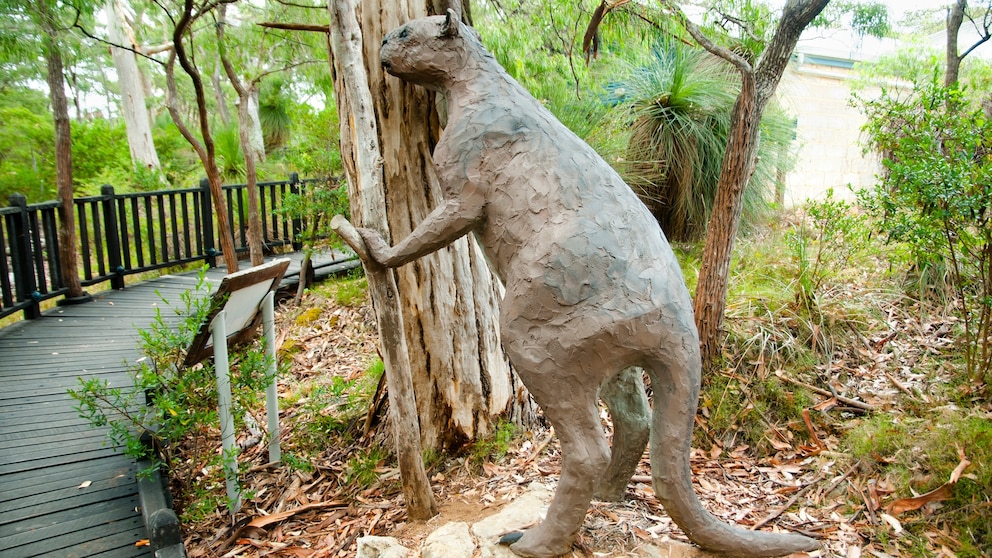
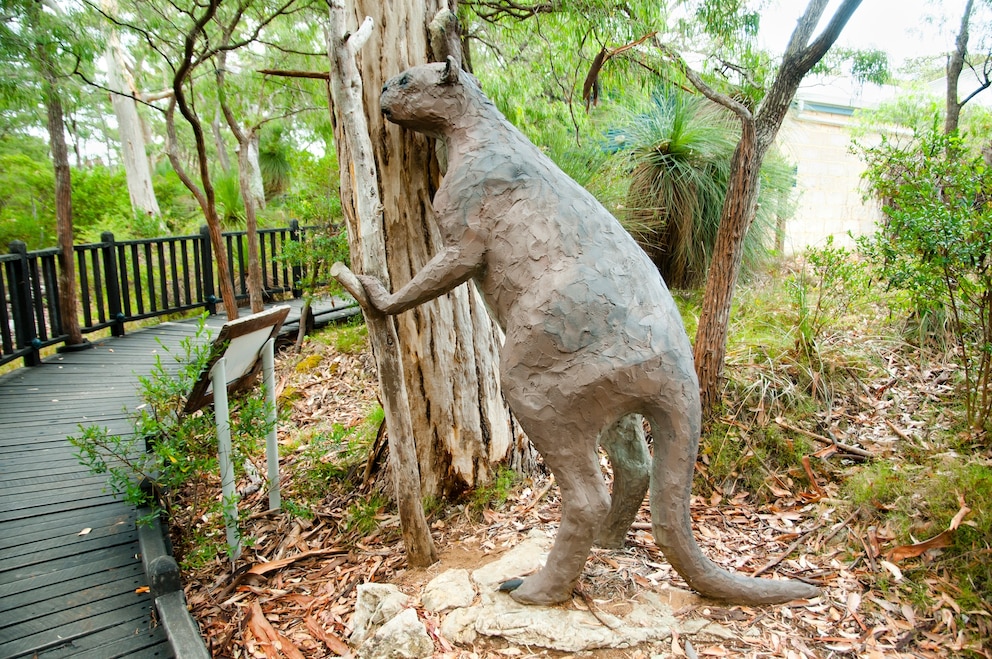
An ancient giant kangaroo that lived in Australia 50,000 years ago likely hopped after all, refuting past research on the species, according to a new study.
Scientists previously believed that Protemnodon goliah, giant ancestors of modern-day kangaroos, were too heavy for their ankles to withstand hopping. But new evidence indicates that the ancient mammal, which lived during the Pleistocene era -- between 2.6 million and 11,700 years ago -- may have been able to hop in short bursts, according to a paper published Thursday in Scientific Reports.
Past research indicated that giant kangaroos that weighed more than about 350 pounds were too heavy to hop because the motion would break their Achilles tendons, Megan E. Jones, a researcher at the University of Manchester's School of Biological Sciences and lead author on the paper, told ABC News.
"Giant kangaroos, their motion, has been the subject of debate for a little bit now because they are so much larger than anything we have today," Jones said.
Most hopping mammals, whether they are rodents or marsupials, weigh under 7 pounds. Modern kangaroos, which can weigh up to 200 pounds, are "already exceptional" for their ability to hop, Jones said.
P. goliah -- which could weigh up to 550 pounds -- was more than twice as heavy as modern kangaroos, Jones added.
"But that assumes that those giant kangaroos are the same in their kind of proportions and everything to the ones that are around today," she said.
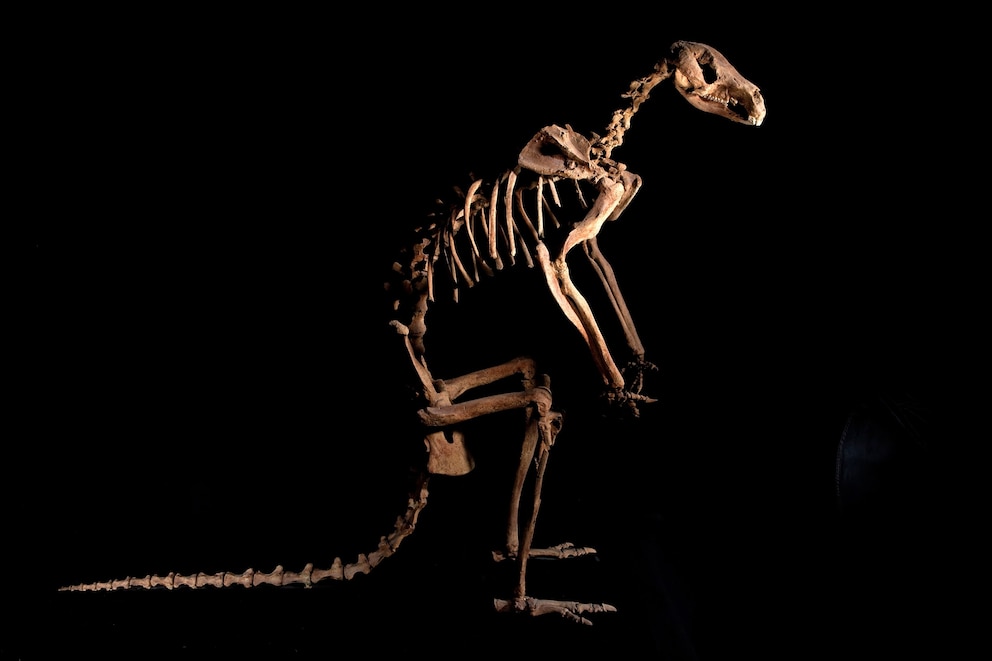
Researchers at the University of Manchester and the University of Bristol in the U.K. analyzed the hind limbs of 94 modern kangaroos and 40 fossil specimens from 63 kangaroo and wallaby species, including members of P. goliah. They then incorporated estimates of their weight with the length and diameter of the fourth metatarsals -- an elongated foot bone key for hopping in modern kangaroos -- to calculate whether they could have withstood the strain of hopping.
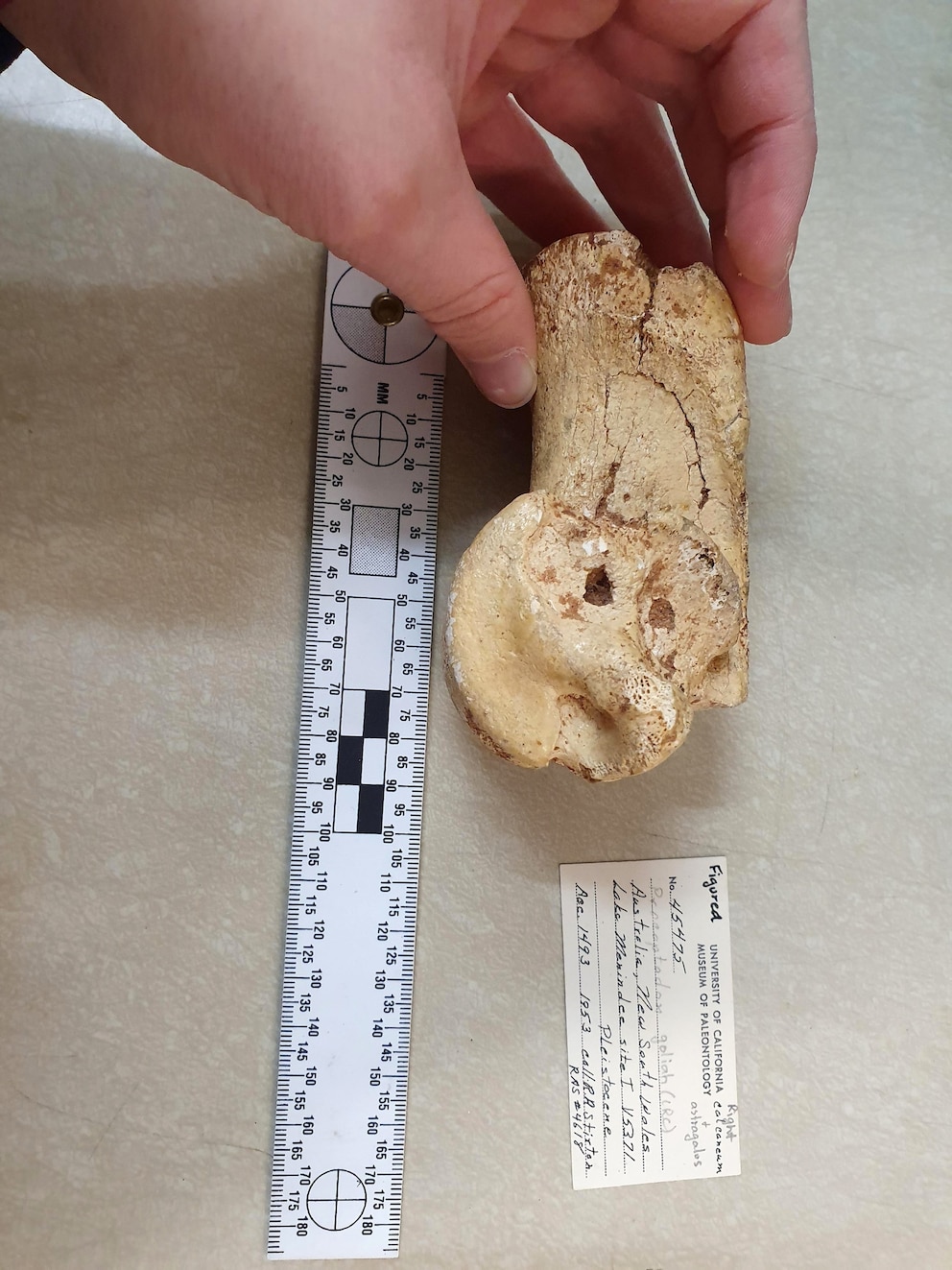
The key part of the limb researchers looked at was the calcadium, or the heel bone, which allows modern kangaroos to travel far distances while grazing through the elastic energy stored and released in the Achilles tendon, Jones said.
They concluded that metatarsals of all giant kangaroo species would likely have been robust enough to withstand the physical stress caused by hopping. In addition, their heel bones would have been big enough to allow for the tendon width required for hopping, the researchers said.
P. goliah became extinct relatively recently -- between 40,000 and 50,000 years ago -- Jones said.
It is unlikely that the giant kangaroos relied on hopping for all of their movements, because it would have been inefficient over longer distances due to their body size, according to the paper.
The short, quick bursts likely helped them to evade predators, such as a group of extinct marsupial lions known as Thylacoleo, or to avoid something in the terrain that was in their way.
Other extinct animals that existed in Australia at the time were the Diprotodon, described by Jones as a "marsupial, herbivorous bear" that was the largest animal around at the time, as well as the Thylacoleo, which had bladed teeth and massive claws and likely fed on the giant kangaroos.
Humans -- the Aboriginal population in Australia -- were also around at the time, Jones said.