Ancient lake reemerges after record rainfall at Death Valley National Park
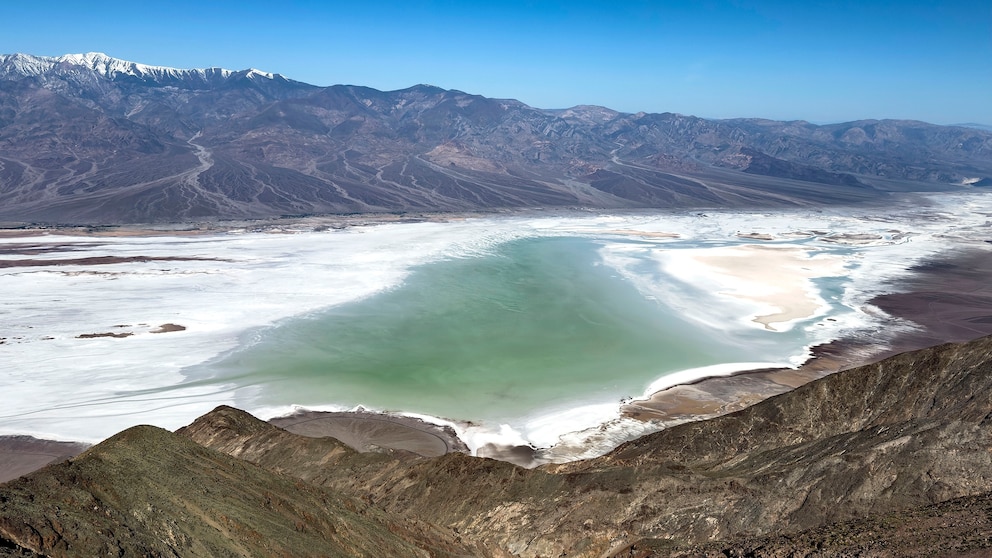
An ancient lake that once existed at Death Valley National Park has reemerged after record rainfall in the region.
Several inches of water have formed in Badwater Basin, which lies at 282 feet below sea level, the lowest point in North America, according to a press release from the National Park Service.
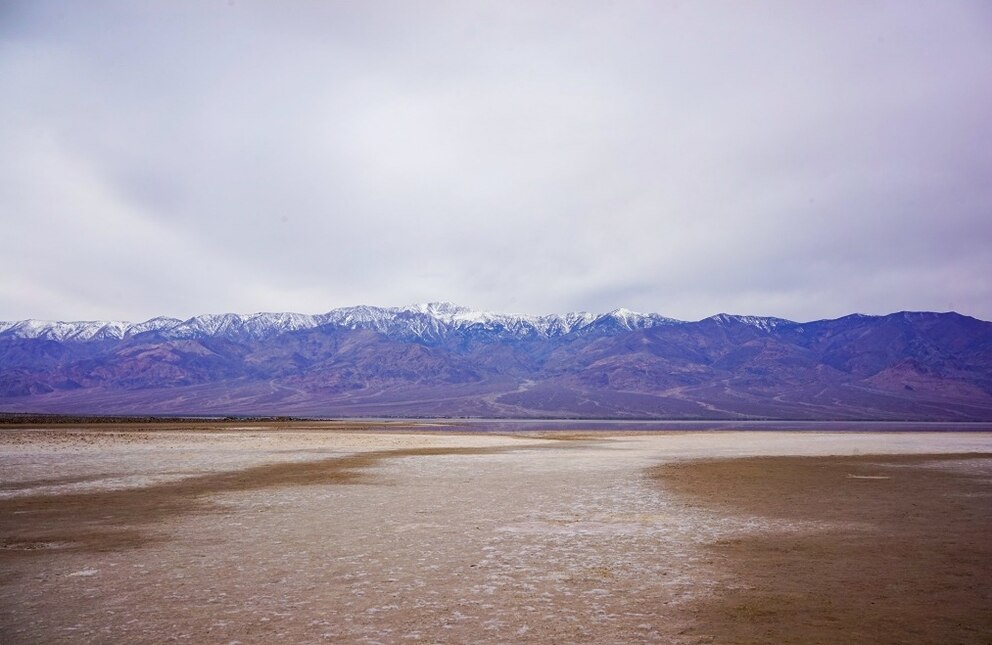
During the Ice Ages, the basin -- colloquially known as Lake Manly -- was once a lake with depths of up to 700 feet.
Ice covered the Sierra Nevada between 128,000 and 186,000 years ago, allowing rivers to flow into a long valley that fed into Lake Manly, according to NASA. At the time, the lake measured nearly 100 miles long.
In modern times, the basin typically lies bare, without any significant moisture.
Death Valley just experienced its wettest fall on record, according to the National Weather Service. Between September and November, 2.41 inches of rain fell -- more than what typically falls in the desert landscape in one year. November alone recorded 1.76 inches -- breaking the record set in 1923 at 1.7 inches.
The lake is much more shallow than the one that formed in 2024 in the aftermath of Hurricane Hilary -- an event that prompted the first tropical storm watch in California's history.
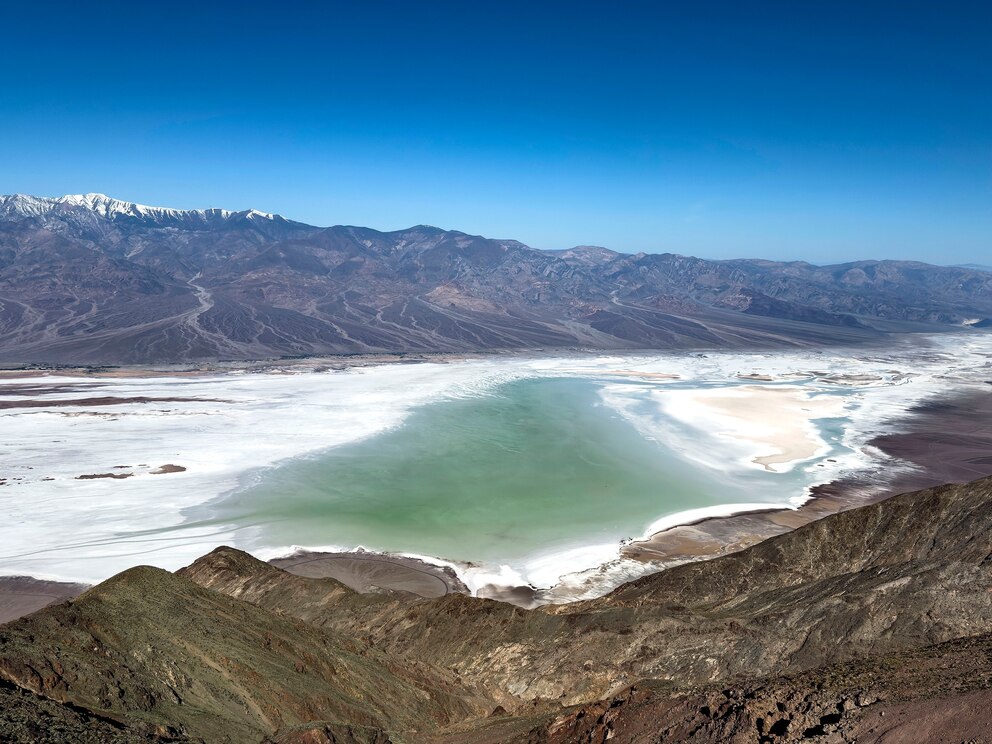
On Aug. 20, 2024, alone, more than 2 inches of rain fell in Death Valley, according to the NPS.
This year's rainfall will allow those who missed the last emergence of Lake Manly to see the rare phenomenon once again.
The water can't drain out, since the basin is contained and at such a low elevation, said Andrew Heltzel, chief commercial officer of the Xanterra Travel Collection, an operator of lodges, restaurants and excursions at several of the most iconic national parks in the U.S., including Death Valley, Yellowstone and Grand Canyon.
"It's almost impenetrable," Heltzel told ABC News, describing the outskirts of the basin as "like a seal."
The only way for the water to escape is through evaporation, which could take months.
When the water is present, it creates a stunning reflection of the surrounding mountain peaks.
"My advice would be to, if you are interested in seeing this, not to delay to get there," Heltzel said. "It is getting smaller through evaporation every day."
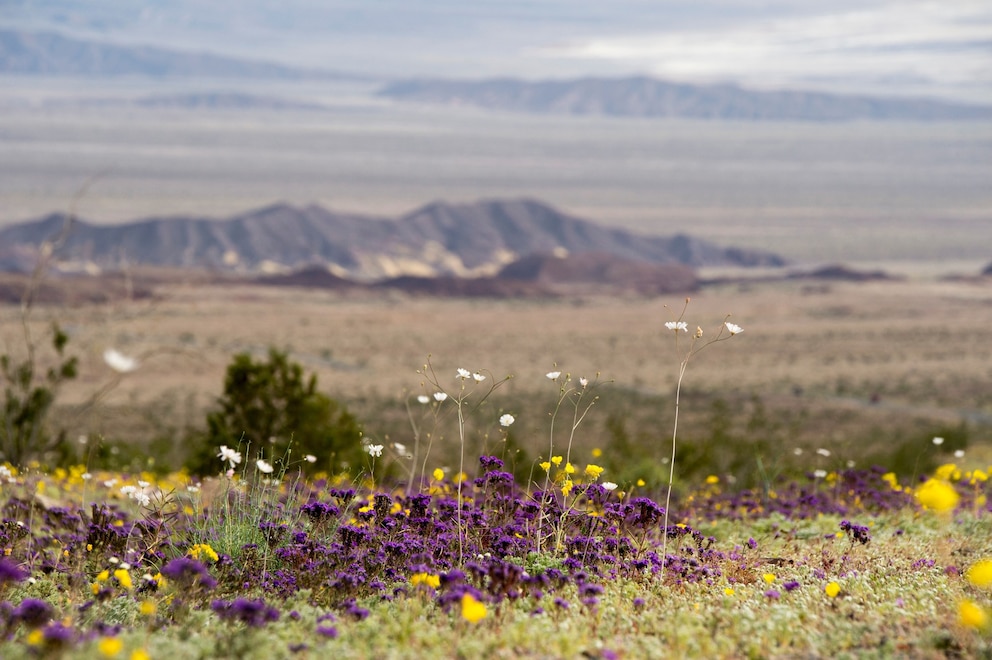
The "most exciting" aspect of the way the rain fell this time is that it could spark a superbloom of wildflowers in the spring, Heltzel said.
The pace and amount of rain that fell made for the "perfect ingredients" for a significant display of wildflowers to emerge, Heltzel said.
In 2024, too much rain fell too fast, and the soil was unable to absorb the moisture, Heltzel said.
"With the November rains, they came in gently enough that it was able to get into the ground and potentially give us those flowers as well as a second chance to see Lake Manly," he said.
The last time a superbloom occurred was in 2016, according to the NPS.
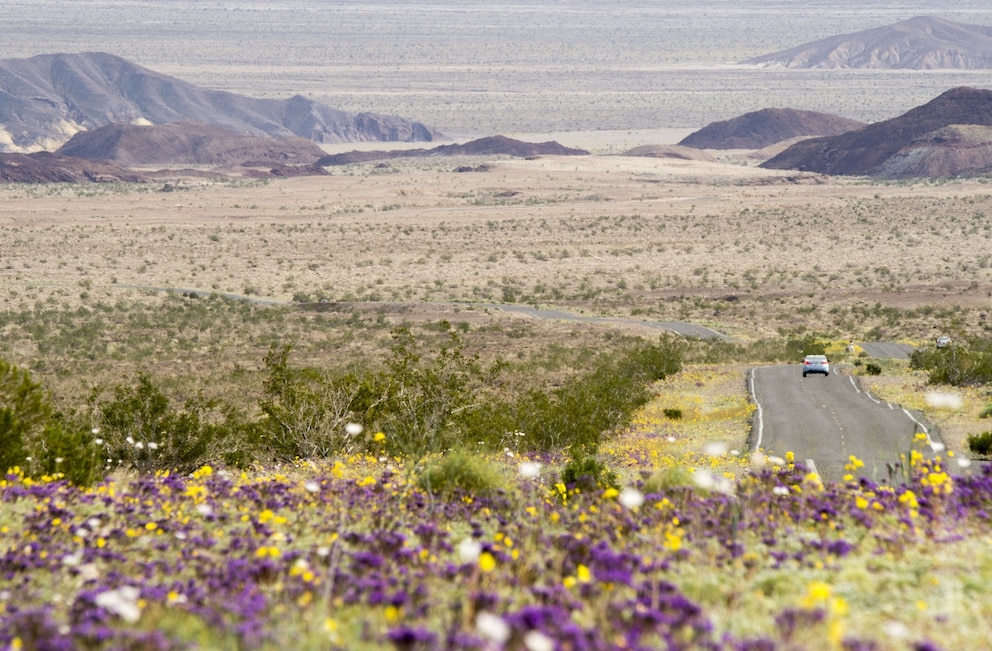
The recent storms caused numerous road closures across the parks, with several paved roads covered in flood debris, according to the NPS. However, many of the park's most popular sites remain open, including Zabriskie Point, Dantes View, Badwater Basin, and Mesquite Sand Dunes.
The National Park Service advised visitors to be aware that unpaved roads may be impassable due to storm damage and to be prepared for self-rescue when traveling on backcountry roads.
In February, Death Valley National Park will host the Dark Sky Festival, which can give visitors opportunities to sky gaze while also seeing Lake Manly, Heltzel said.
Death Valley has been designated as a Gold Tier Dark Sky Park, which signifies the highest rating of darkness, according to the NPS.
"The stargazing opportunities in Death Valley are second to none," Heltzel said.