How Marek Reichman is making Aston Martin more 'provocative'
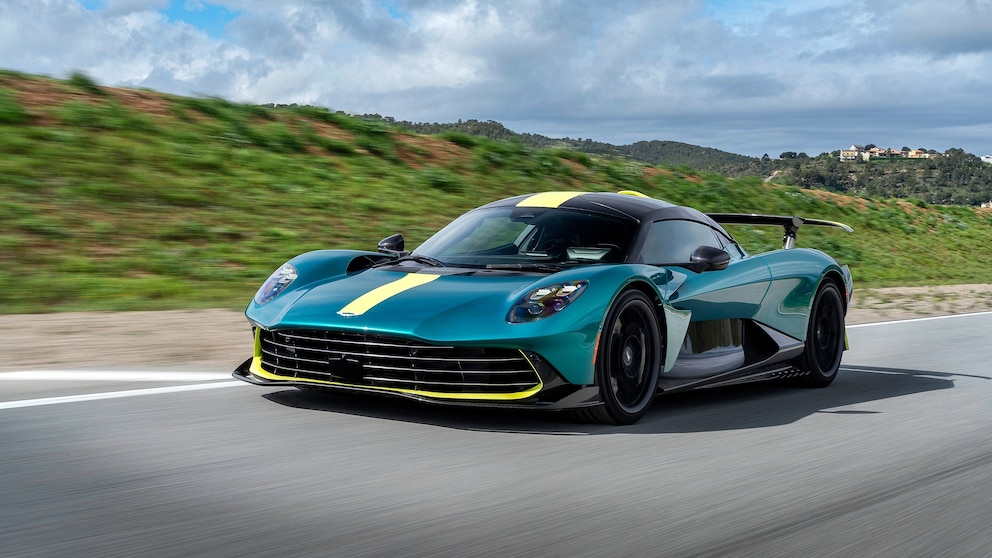
British automaker Aston Martin has experienced a lot of excitement -- and turmoil -- in its 113 years of existence. Management changes, product overhauls, several bankruptcies, a stock market IPO and a return to Formula 1 racing are recent developments in the company's long history.
What has stayed constant for the legendary marque? Its sultry designs that continue to impress and enrapture the automotive community.
"We've been recognized as a brand with the most beautiful cars on the planet," Marek Reichman, executive vice president and chief creative officer at Aston Martin, recently told ABC News.
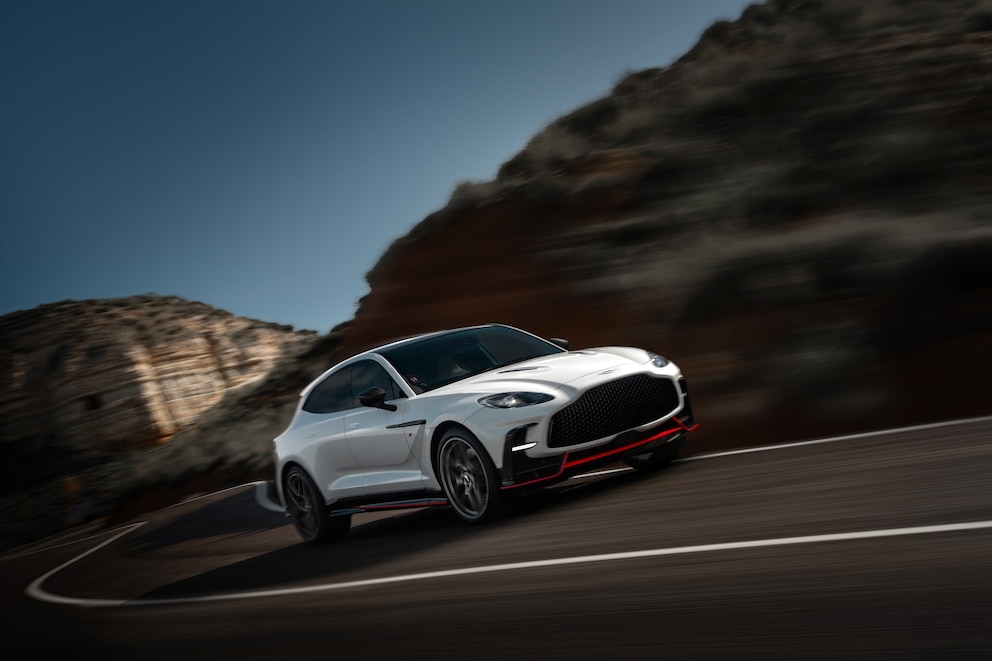
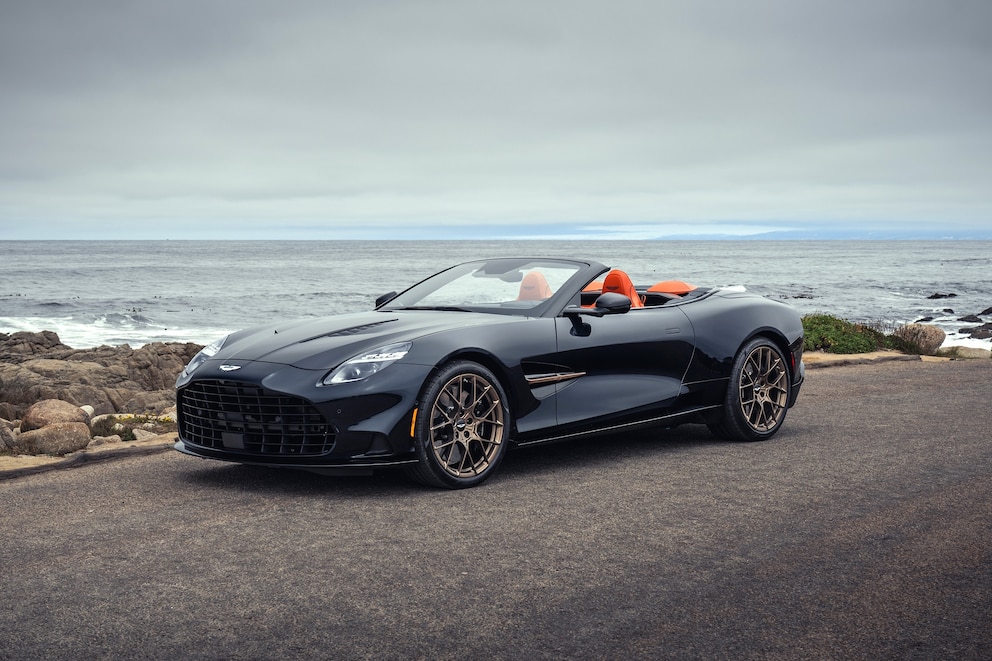
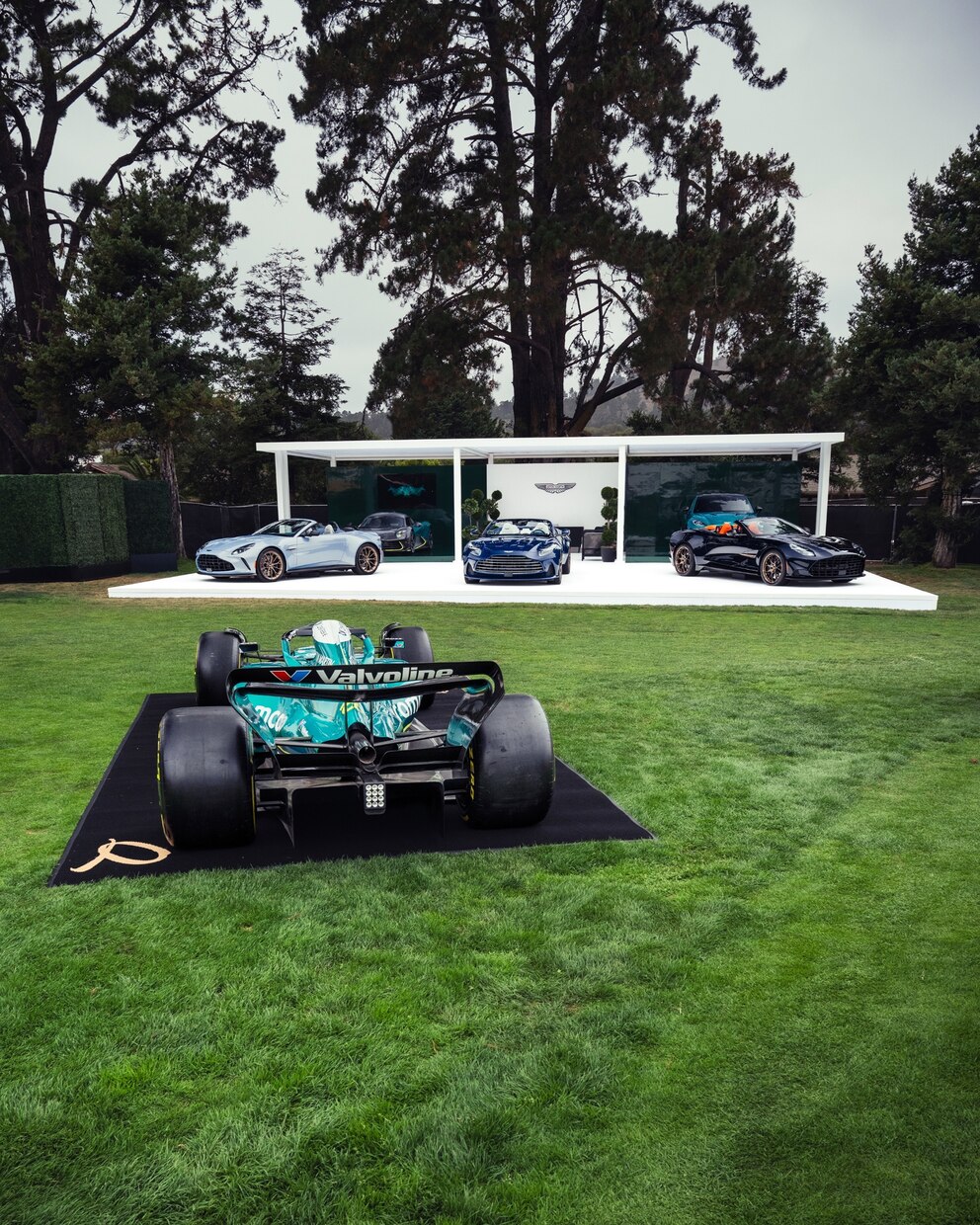
Reichman, a company veteran, has also seen his mandate shift as the company seeks to raise its stature globally and win over high-worth customers. From designing hypercars to SUVs to luxury residences, Reichman may be the company's No. 1 promoter and sales person. He travels to global car launches and events like the annual Pebble Beach Concours d'Elegance, describing the beauty and craftsmanship that went into each model on display, whether the DBX S or the V12 Vanquish.
"It's highly important to be here, to be seen, to be relevant," he said. "Car Week is about car culture ... right now it's the place to be if you're into cars."
Reichman underscored how much the brand has grown just in the last few years, from upgraded interiors to performance numbers that rival any German sports carmaker. And he was quite frank about whether AI will one day take over his job.
The interview below has been edited for clarity.
Q: The company has put a lot of focus and money toward design, especially interior design. The company also developed CarPlay Ultra in collaboration with Apple. What are you hearing from customers when it comes to the UX experience?
A: [CarPlay Ultra] is important because in the U.S. 98% of our client base use Apple CarPlay. Why did Apple want to do it with us? Because we're really cool and they're really cool -- I think that's the real reason. Apple is an amazing brand ... we created something pretty special for our customers and their customers. For me, it was a no brainer. It's so seamless you can forget about it and that's the beauty of software. It should be like that. Whatever you've done or had on your phone [CarPlay] is transferred into your car, but nothing is left in the car, so it's incredibly safe and secure because it stays with your phone. Our customers are saying thank you.
Q: Aston is known for its beautiful cars and performance. What's more critical for selling cars: performance or ultra luxe amenities?
A: You have to have everything in the right combination. You might argue five years ago Aston Martins were beautiful products that people recognized but we were not quite there in terms of the performance criteria. The balance is what's important. What's more important is to have a customer engage with your product and the customer excited by your product. In equal measure you have to have everything. You can't have one without the other.

Q: Auto design has been a hot topic lately -- buttons vs hyper screens, putting common controls like vent circulation and mirrors behind layers of screens -- plus the sustainability of materials. What's Aston's take on all this?
A: I think engagement is critical for our customers. If the world of Digital was the only way to input, we would all be wearing digital watches. But we're not. Our cars, first of all, are collectible.
Now the ubiquity of touchscreen and input doesn't suggest collectible; however, there is a state of technology that we need to meet for our consumers. We have what I call a "phygital" display -- physical and digital. If you just want to turn the volume down, you roll a handmade, hand-machined dial. For the things we do all the time, the physical is really important. And that's another thing our consumers appreciate. Because ultimately that tactility is vitally important in an Aston Martin.
On sustainability, we're improving all the time. Of those 130,000 cars [in 113 years], 96% still exist. You don't buy an Aston Martin to throw it away. We look at technology to keep our cars in play and in the market in 50 years time. My goal is to make sure when Pebble takes place 60 years into the future, a rare Vanquish is sitting there on the Concours lawn. That's my job.
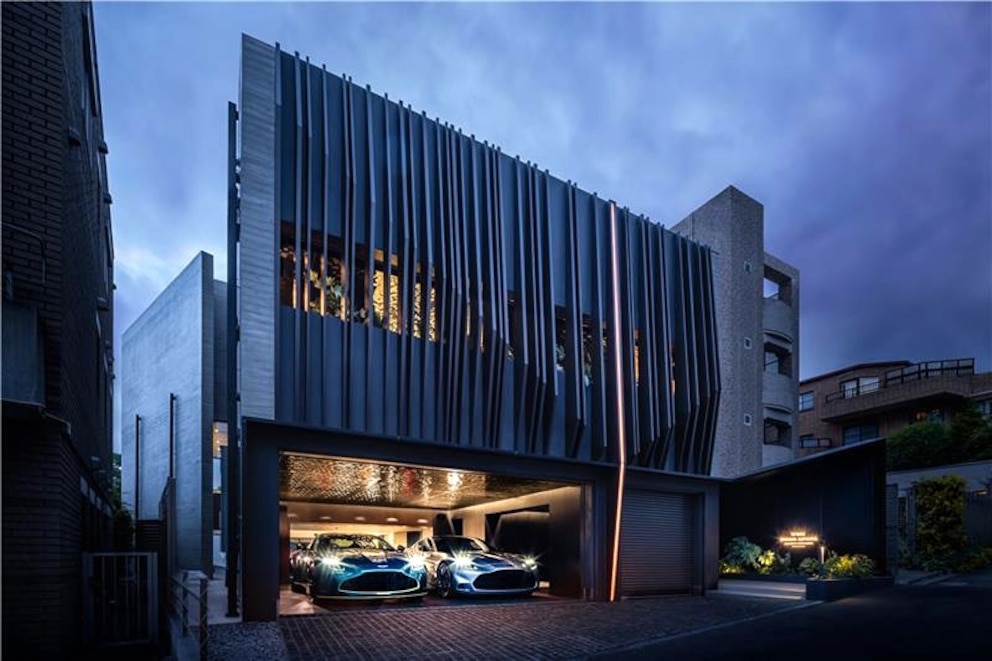
Q: Design is no longer about cars. Aston, like other brands, now have residences and homes for sale. How do these residential real estate projects help a brand sell cars?
A: They help us sell cars clearly because it's a different market segment, it's there for a different consumer. The town house in Tokyo was commissioned by a customer who said, "I love your cars, I would like a house." It came out of that conversation. Aston Martin Residences in Miami came through G&G Business Developments, the developer, who said your brand is amazing, it stands for ultra luxury, it stands for the finest thing, we want to develop a building together. It completely helps to attract and draw the consumer.
Miami, prior to its launch, was 99.9% sold out. The only reason the penthouse wasn't sold out was because [the developer] was looking for the right consumer.
Q: Where do you want the brand to be in the next five, 10 years as far as design?
A: We've been recognized as a brand with the most beautiful cars on the planet. But beauty, as we move into the future, has to also be provocative. And I think we should not just be a beautiful brand but an incredibly provocative brand that is exciting. And I think we have to be recognized for both beauty and excitement with our product.
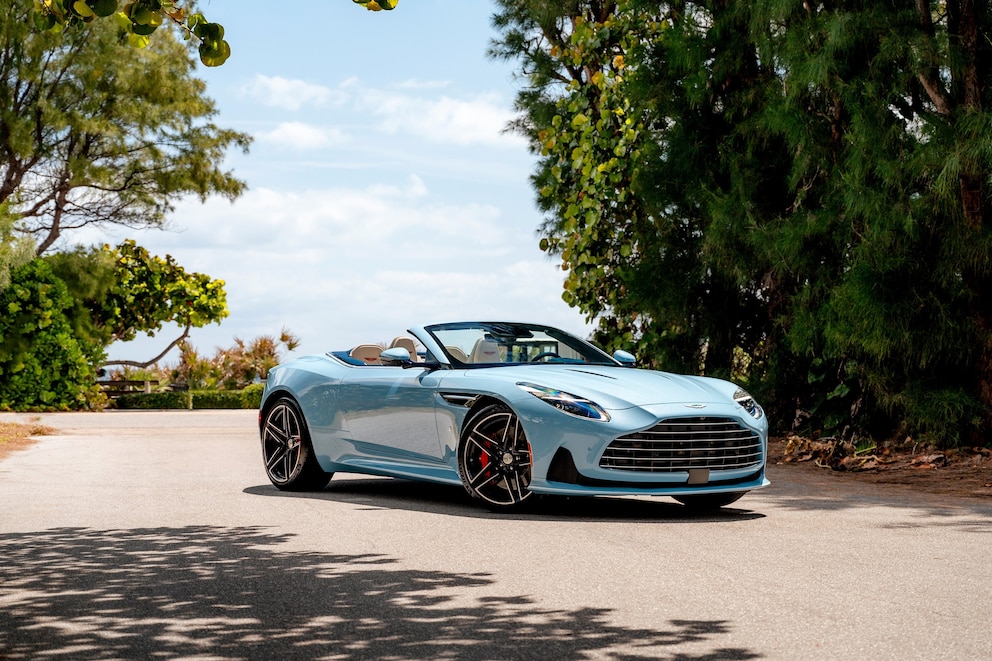
Q: Give me an example of provocative.
A: I think the Valhalla is a provocative car. It's not classically designed as an Aston Martin. There is probably more negative space than positive space on the car because it's about seeing the airflow and seeing the performance criteria of the car. I would say the Valkyrie is a very provocative car. The Valiant is an incredibly provocative car. This Vanquish is very provocative in terms of its proportion and stance and attitude. I just had someone tell me, "The DB9 is a beautiful car, the DB11 is a beautiful car, but the DB12 bit me on the a--!" That was the exact statement. It's about continuing to have beauty but it has to have an attitude, desire and that irresistibility.
Q: What role does AI play in designing an Aston?
A: AI is everywhere now. In many instances it's replacing the mundane, laborious tasks. AI helps you be aware -- it can also be suggestive. It can assimilate things. It's a predictive tool but it can't draw the future. We are so far away from choosing an AI car.
Q: Have you ever had a design rejected by the engineering team?
A: It doesn't work like that. Engineering doesn't control design and vice versa. It's a team. I can make a beautiful sculpture but if there isn't a dynamics engineer [who can build it], then it's a pointless sculpture. Engineers don't have the power to reject. And I don't have the power to say, make the suspension stiffer.