What the law says should happen to asylum seekers at the US border
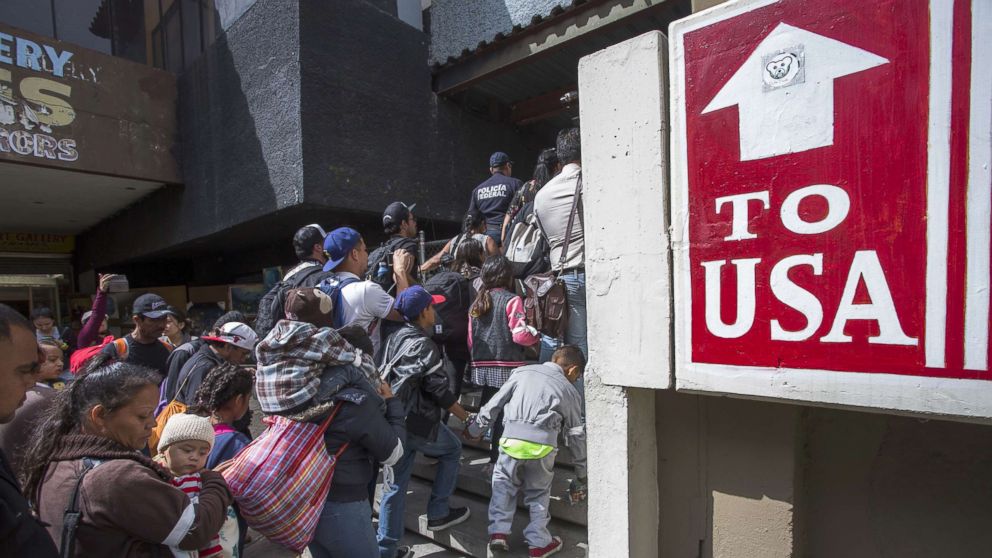
Immigrants from that caravan that crossed Mexico and drew the attention of President Donald Trump have arrived at a U.S. border post – and are trying to seek asylum.
But what happens once they do – and how does the law require they be treated?
When an immigrant comes to a U.S. port of entry to request asylum, that person must declare to the customs officer a "credible fear of persecution" in his or her country of origin.
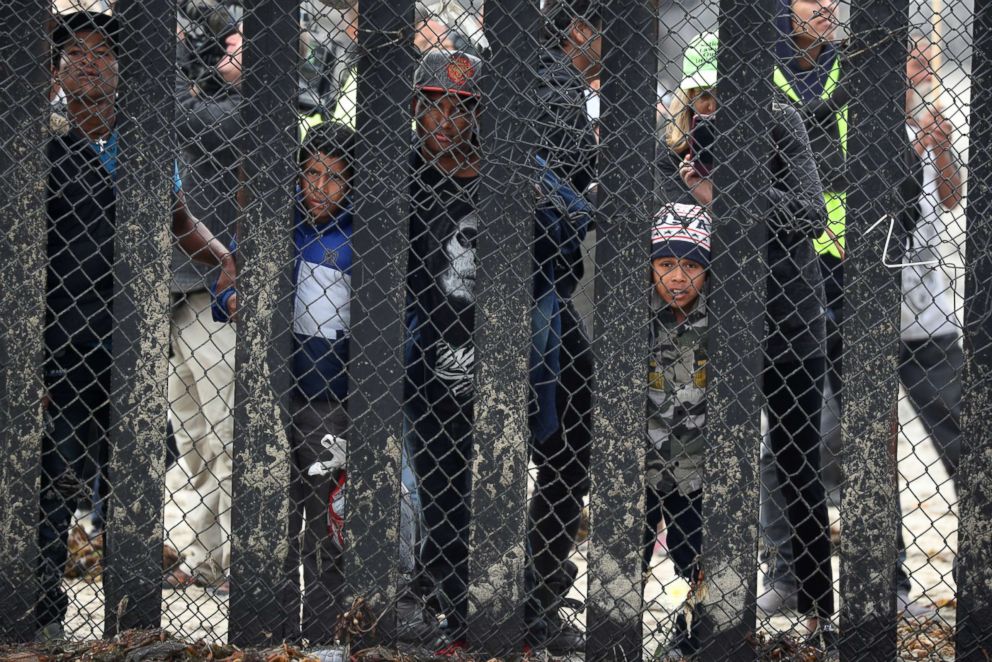
Under the 1951 United Nations Convention Relating to the Status of Refugees and the 1967 protocol, and adopted into U.S. law, the U.S. must recognize refugees that fear persecution and are not able to get help from their home country.
Anyone who declares they are seeking asylum at a U.S. port of entry is then moved to undergo a secondary interview, during which another customs official must confirm the credible fear claim.
The asylum seeker is placed in a holding area before being transferred to a separate detention facility under Immigration and Customs Enforcement custody, while he or she awaits a hearing with U.S. Citizenship and Immigration Services called adjudication.
Adjudicators, who are often judges, decide if the person is allowed to stay in the United States under refugee status.
Asylum-seekers may face a variety of legal steps and different judges. The decisions made by different judges or by the same judge with regard to different people from the same countries can vary widely, according to one recent study by Temple University and Georgetown law schools, published in the Stanford Law Review.
"The chance of winning asylum was strongly affected by whether or not the applicant had legal representation, by the gender of the immigration judge, and by the immigration judge's work experience prior to appointment," the authors said.
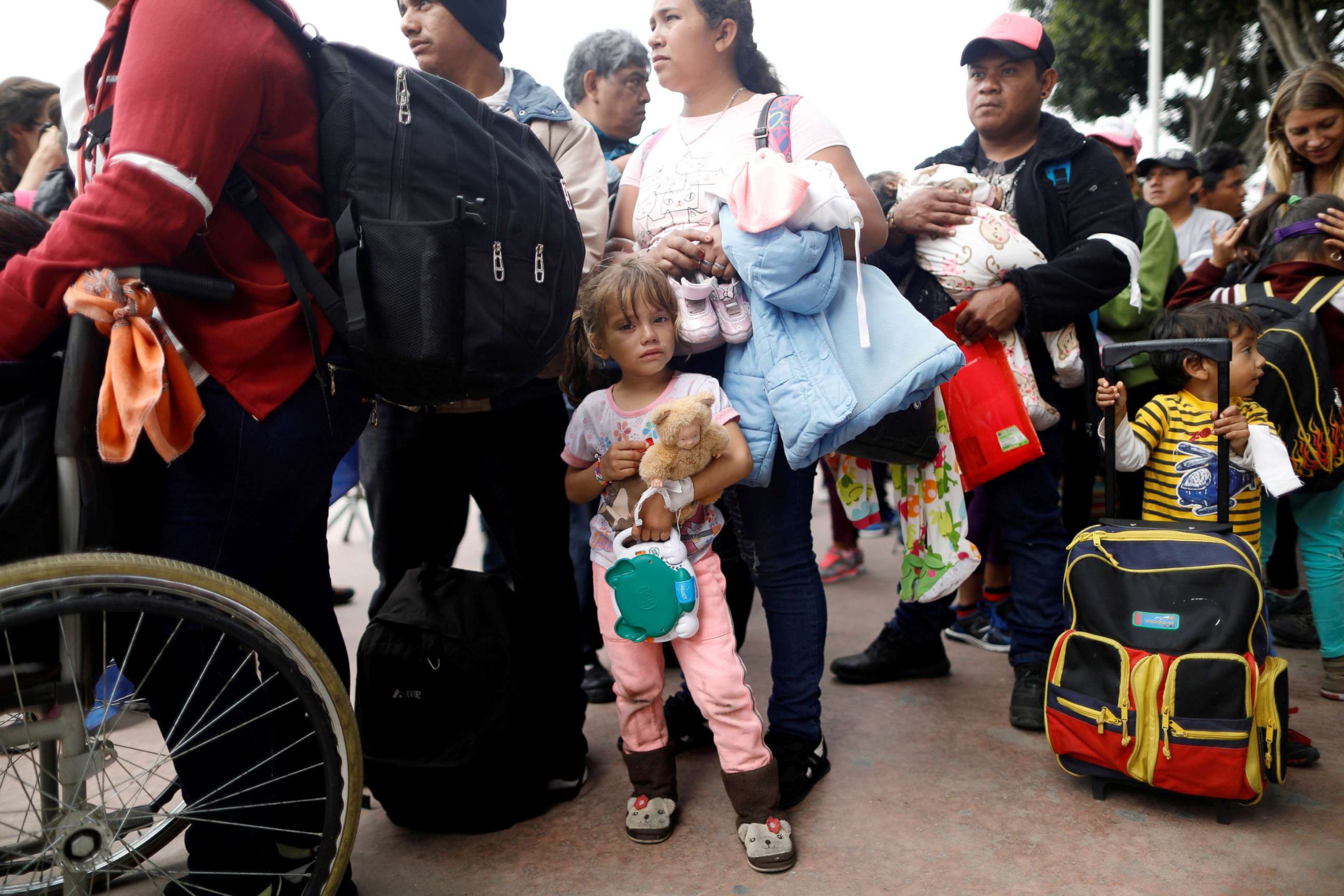
In that same study, the authors found a correlation between being accepted for asylum and the individual's education, gender, prior work experience, country of origin – and the time at which the adjudication happened. The authors called this "refugee roulette" because of the unpredictable nature of the process.
The number of refugees who can enter the country under the Immigration and Nationality Act comes from the president's recommendation to Congress.
Congress passed the Refugee Act of 1980, which clearly defines refugees under the aforementioned United Nations Convention. The refugee program is run by the Office of Refugee Resettlement, through the Department of State. Each year, the director sends a report to Congress, which is used to determine how much funding will be allocated to the program the next year.
A downward trend in asylum acceptance rates was shown between fiscal years 2011 and 2016, according to Syracuse University's TRAC Immigration study, and asylum seekers may be denied based on the number of applications versus acceptances from their home countries.
For example, the study said, asylum seekers from Mexico were denied about 90 percent of the time during the study period.
According to the nonprofit Migration Policy Institute, the number of refugees admitted in fiscal year 2016 was almost 85,000. The president proposed cutting that number to allow a maximum of 50,000 refugees to enter the U.S. in fiscal year 2017.