Treasury Dept touts average $3,400 tax refund, but rising oil price may undercut benefit
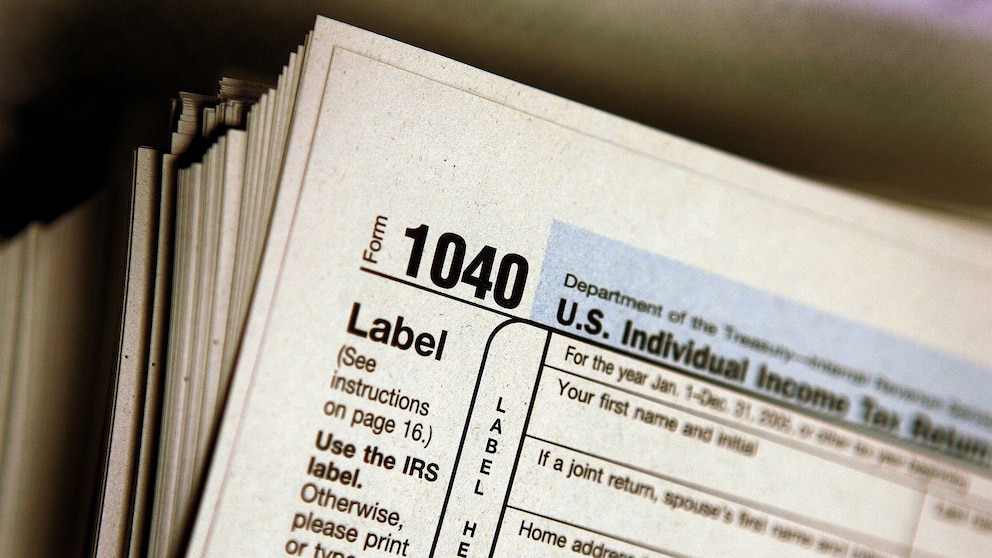
Wednesday is Tax Day, the last day of this year's tax season, and the average refund for filers is up 11% compared to last year's filing season, according to new Treasury Department data.
The average refund this filing season is "over $3,400," the Treasury Department data said.
The data, which is as of Tuesday, also showed that "over 53 million filers claimed at least one of President Trump's signature new tax cuts," which includes provisions from Trump's sweeping legislation that was passed last year.
Treasury has also announced that more than 5 million filers have opened so-called Trump Accounts for children who were eligible under the law.
"Treasury and the IRS have worked tirelessly to ensure our tax system works for the people it is meant to serve," Treasury Secretary Scott Bessent said in a press release on Wednesday. "From the shop floor to the kitchen table, taxpayers are feeling the difference of the largest tax cuts in our nation's history, and millions of Americans are keeping more of what they earn and seeing their paychecks go further than ever before."
Over 25 million filers have claimed No Tax on Overtime, with an average deduction of over $3,100, the department's data noted, while more than 30 million seniors have claimed the Enhanced Deduction for Seniors, with an average deduction of over $7,500.
The data also showed that more than 105 million filers have claimed the permanently doubled standard deduction -- the specific dollar amount that reduces the amount of income on which people are taxed.
However, a Goldman Sachs note this week suggested that higher oil prices amid the U.S.-Israeli war on Iran are undercutting the economic benefits the Trump administration is touting from the new tax law.
"We now expect the drag on growth from higher oil prices to roughly offset the boost to growth from the 2025 fiscal bill," the investment bank said.
The nonpartisan Tax Foundation estimated the average individual refund will be $748 extra this year because of Trump's legislation. Economists said higher gas prices will cost the typical household between $740 and $1,000 if oil stays around this level for a year.
Lower-income households are disproportionately hit by these surging gas costs. Government data shows households earning below $70,000 spend a much bigger share of their income on gas compared to higher-income households.
"Middle and upper-middle income groups will see the largest share of filers with a tax cut," the Tax Foundation noted. "Lower-income filers with little to no tax liability do not benefit."
When pressed on whether the administration’s tax policy was being undercut by the ongoing war with Iran during a White House press briefing on Wednesday, Bessent argued that it's a good thing for Americans to have more money from the tax cuts.
"No one's ever objected to more money in their pocket," he said. "So the Americans have more money. They can decide how they want to spend it."
- ABC News' Emily Chang and Nicholas Kerr contributed to this report.