Backlash from allies, business associations over steel and aluminum tariffs
The White House officially implemented steep tariffs on steel and aluminum imports from the European Union, Canada and Mexico on Friday, but not without swift backlash from businesses and allies around the world.
British Prime Minister Theresa May said she was “deeply disappointed at the unjustified decision” to apply the tariffs announced by the Department of Commerce.
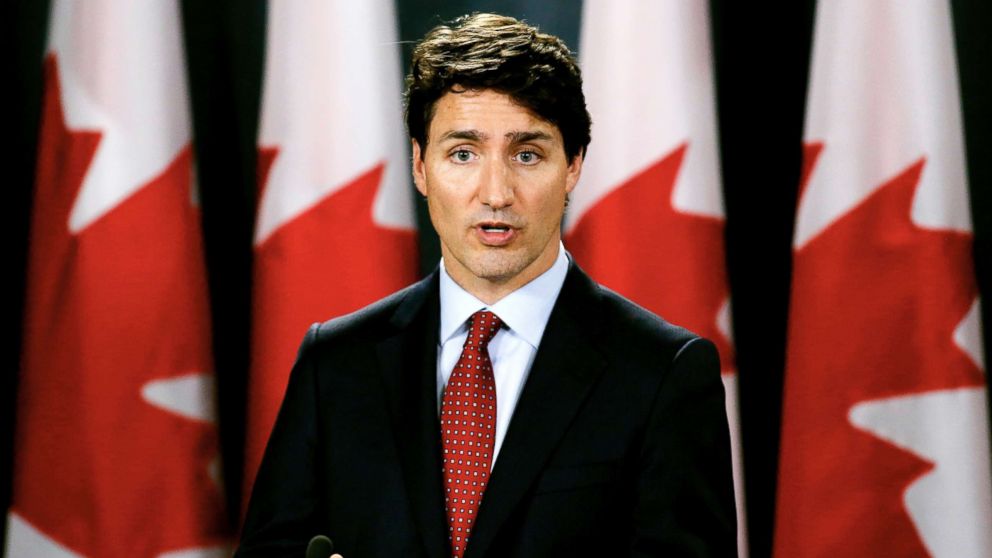
Prime Minister of Canada Justin Trudeau slammed the tariffs as an “affront” to a longstanding relationship between the U.S. and Canada during a press conference. “Let me be clear: These tariffs are totally unacceptable.”
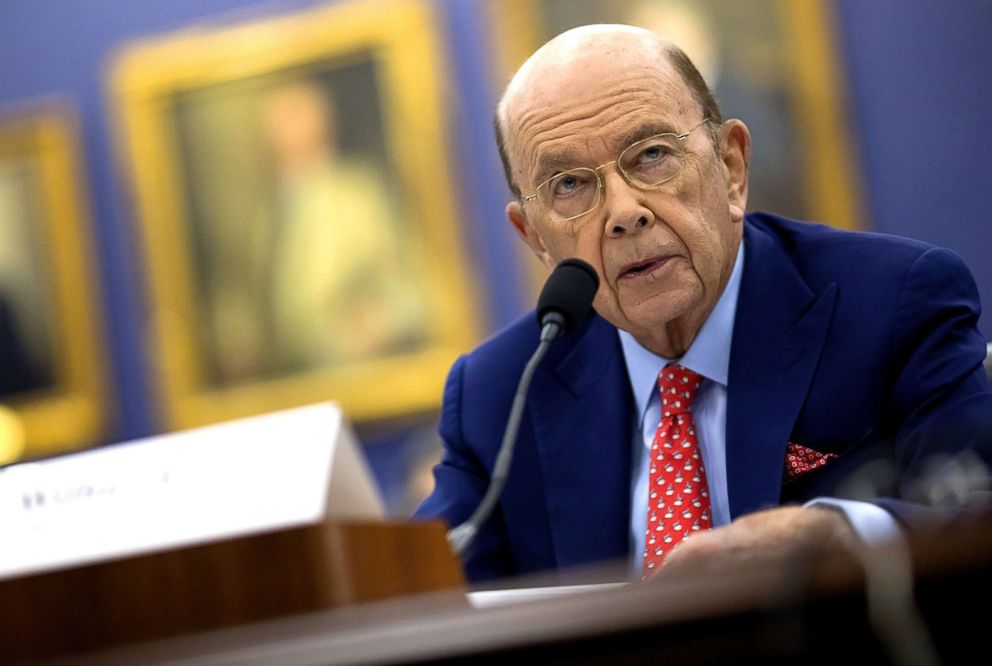
After months of speculation about whether or not the Trump administration would take a hard line approach on trade with the United States’ closest allies, Secretary of Commerce Wilbur Ross told reporters Friday that Trump decided not to extend exemptions for Canada, the E.U. and Mexico. Canada, the E.U. and Mexico now face a steep 25 percent tariff on steel and a 10 percent tariff on aluminum starting at midnight.
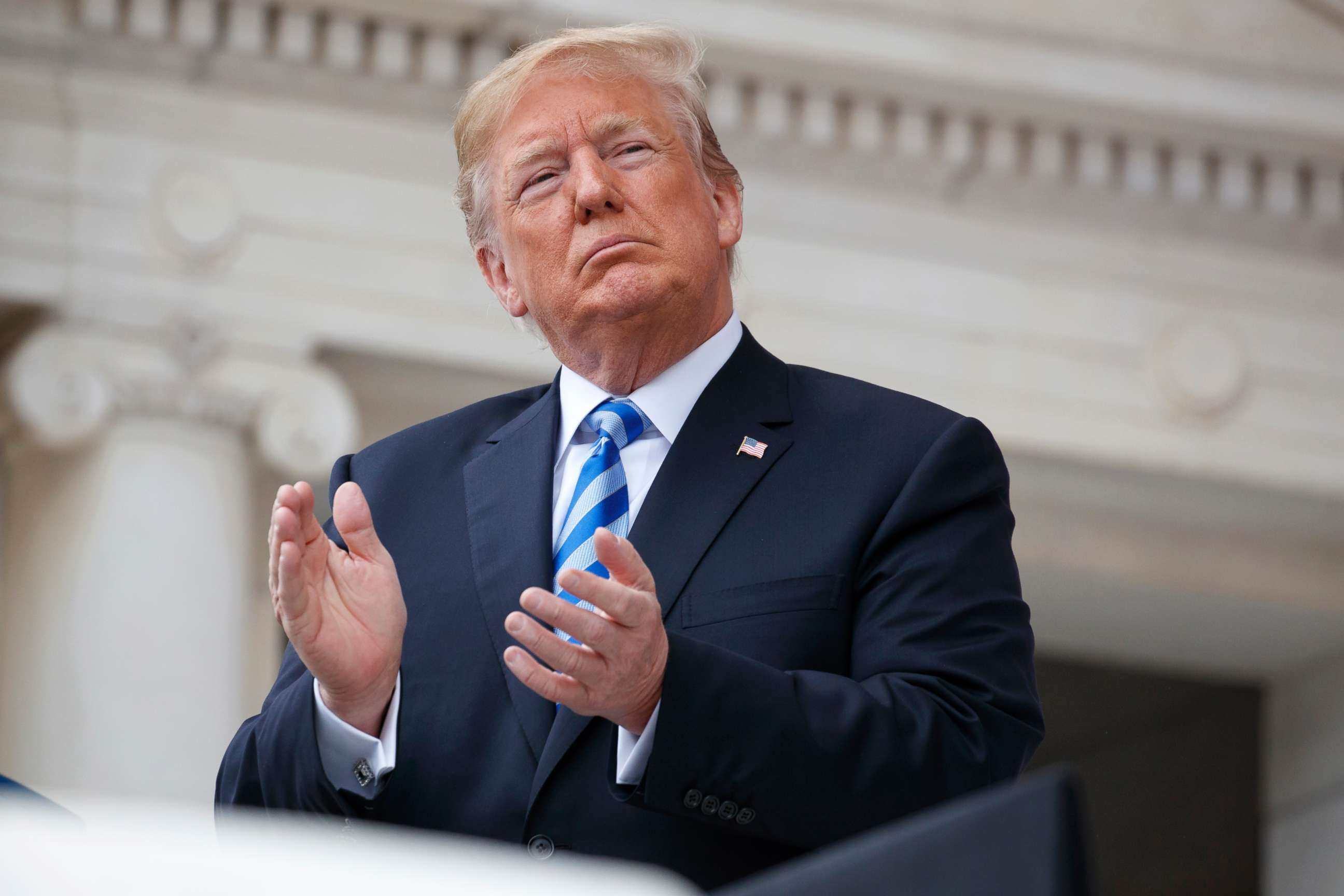
The announcement follows through with a promise President Donald Trump frequently made out on the campaign trail that he would retaliate against countries he viewed as having unfair trade relationships with the United States.
Soon after inauguration, Trump said he would be working on trade negotiations.
“We're in the process of doing, we're redoing NAFTA, we're doing a lot of our trade deals, and we're negotiating properly with countries, even countries that are allies," he said during a roundtable in February of last year. "A lot of people taking advantage of us, a lot of countries taking advantage of us, really terribly taking advantage of us.”
Despite slapping tariffs on Canada and Mexico, the United States remains engaged in trade negotiations – specifically with the North American Free Trade Association between the U.S., Canada and Mexico. As talks continue, Ross warned against any parties striking back.
“If any of these parties does retaliate that does not mean there cannot be continuing negotiations,” Ross said.
Still, Trudeau moved ahead with retaliatory tariffs against the U.S. on products ranging from metals to mayonnaise.
“Canada has treated our Agricultural business and Farmers very poorly for a very long period of time. Highly restrictive on Trade! They must open their markets and take down their trade barriers! They report a really high surplus on trade with us. Do Timber & Lumber in U.S.?” Trump tweeted in response.
U.S. businesses and trade associations quickly warned against the effect the new tariffs could have on the economy and consumers.
The president and CEO of the U.S. Chamber of Commerce, Tom Donahue, outlined his concerns about the administration's trade proposals in a letter sent to the Chamber's Board of Directors and obtained by ABC News.
“The current approach — and the obvious retaliation that will occur in response — poses a serious risk of raising barriers and reducing Americans’ access to vital global markets," Donohue wrote. "Our businesses will lose customers, workers will lose jobs, and American consumers will lose family income through higher taxes and higher prices.”
The American Automotive Policy Council, which represents American automakers like Ford Motor Company and General Motors Company slammed the tariffs saying they “undermine the global competitiveness of the US auto industry and invites retaliation from our trading partners.”
And the Automotive Alliance, representing foreign automakers like BMW and Volkswagen in addition to domestic automakers, said the tariffs will cost jobs.
Still, despite the backlash, Ross defended the new tariffs as a way to protect national security.
“Without a strong economy you can’t have strong national security,” Ross said.
Ross leaves Friday for China to continue trade negotiations.
ABC News’ Alex Mallin, Arlette Saenz, Erin Dooley and Serena Marshall contributed to this report.