Why Microsoft's HoloLens Stands Out in the Battle of the Glasses
— -- Marty McFly got at least one thing right about 2015: Computers can be worn on a person's face.
While "Back to the Future" style high-tech eyewear hasn't permeated the mainstream quite yet, many of the devices in development and on the market would fit in just fine at the 2015 McFly family dinner table.
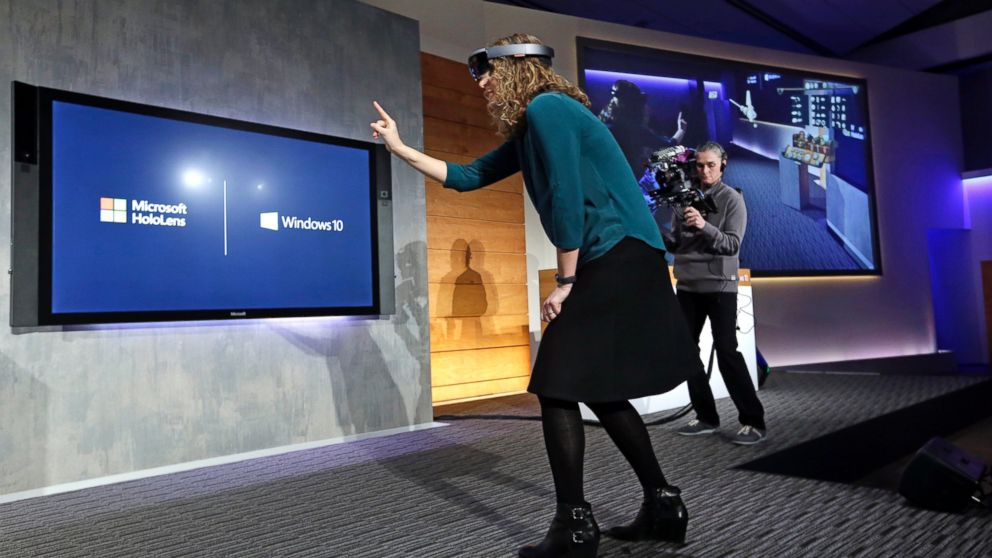
During the same week that Google Glass announced it was ending its Explorer program, Microsoft unveiled an impressive new product on Wednesday called HoloLens that takes virtual eyewear to the next level using holograms.
HoloLens
There are plenty of unknowns about HoloLens, including its price and release date, however after an impressive demo on Wednesday, the futuristic device has become the latest immersive technology darling.
"It could succeed where others have failed because Microsoft doesn't intend it to be worn all the time and do everything," Patrick Moorhead, an analyst at Moor Insights & Strategy, told ABC News.
While it's unclear when HoloLens will be released or how much it will cost, there was plenty to geek out over from Microsoft's demo, which showed NASA researchers using it to explore Mars.
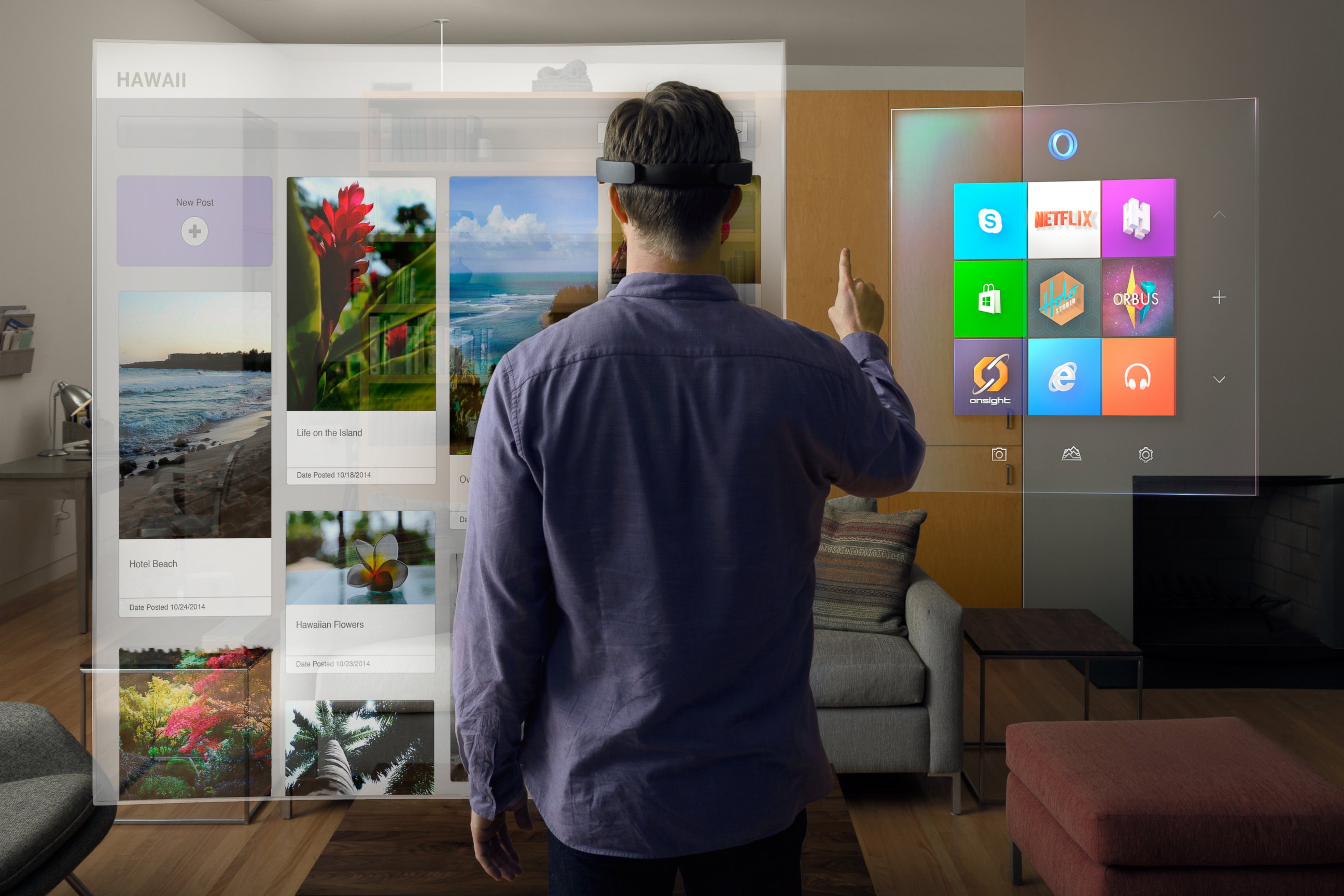
Imagine holographic Skype calls, playing a holographic video game in a world you're a part of, or using the glasses to virtually design a new product.
"I see HoloLens as a workplace tool first, a home enthusiast device second," Moorhead said.
Oculus
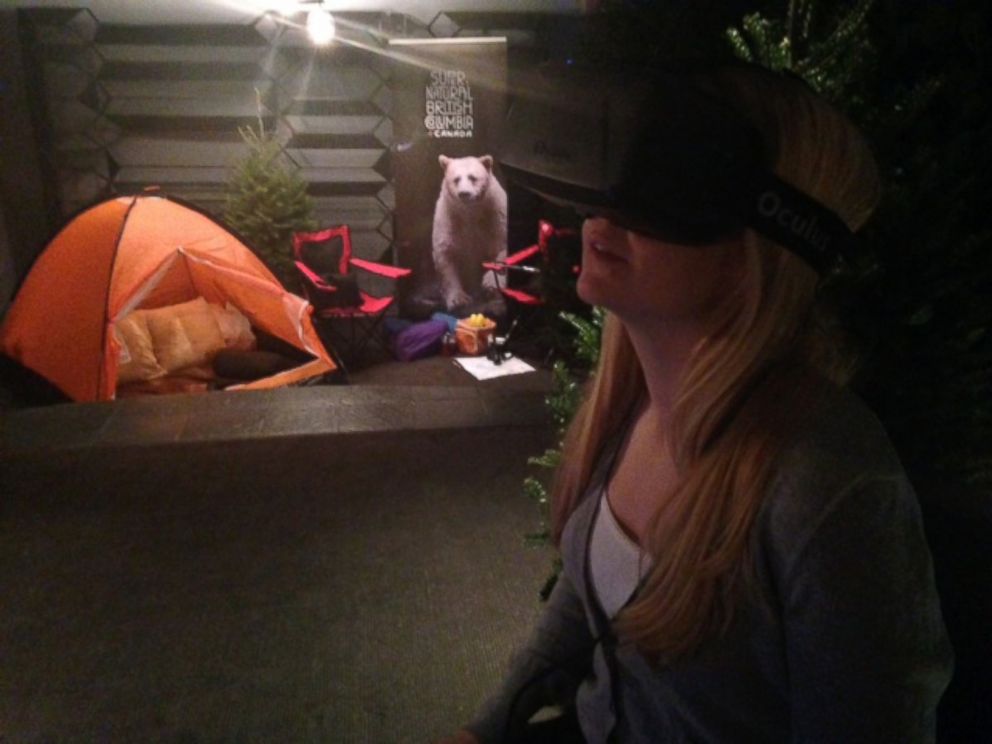
Perhaps one of the biggest rivals to HoloLens is Oculus, which was acquired by Facebook last year for $2 billion.
Oculus has been in the hands of developers for the past year, allowing them the chance to create experiences for consumers that range from virtual trips and games to fitness classes.
A release date for the consumer headset hasn't been announced, however Oculus CEO Brendan Iribe hinted at a conference last year that 2015 could be the year.
The price point is also unknown, however a developer's kit currently sells on the Oculus website for $350 -- a relatively attractive cost when comparing the wearable to Google Glass, which set users back $1,500.
Google Glass
Google closed its Explorer program for Glass earlier this week, announcing that the team was going back to the drawing board to create the next generation of the device.
Using voice commands and gestures, Glass overlays images into the real world, allowing people to search the Internet, get directions and even pull up photos, making it a viable workplace tool.
Microsoft's HoloLens also offers the same experience of overlaying images into a space but seems packed with more features than the first edition of Glass.
Where Glass stands out from HoloLens and Oculus is the fact that the eyewear is meant to be worn all the time -- even while walking down the street alone, wearers could still talk to their glasses and gesture, spawning a new noun: Glasshole.
During its nearly two-year-long run, Glass was also plagued with privacy concerns since the device allows the wearer to take photos and videos without anyone noticing.
The feature led to the device being banned in many movie theaters, restaurants and even a Las Vegas strip club.