• Video
  • Shop
  • Culture
  • Family
  • Wellness
  • Food
  • Living
  • Style
  • Travel
  • News
  • Book Club
  • Newsletter
  • Privacy Policy
  • Your US State Privacy Rights
  • Children's Online Privacy Policy
  • Interest-Based Ads
  • Terms of Use
  • Do Not Sell My Info
  • Contact Us
  • © 2026 ABC News
  • News

Why Some Bees Are Now Carrying Backpack Trackers
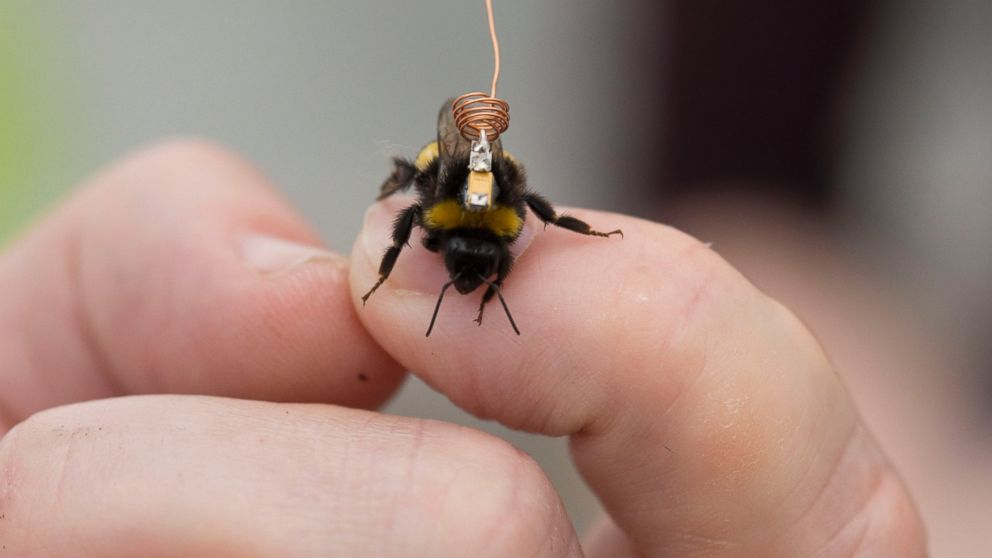
Kew Gardens in London is mapping bee behavior using tiny trackers mounted to their bodies.
Kew Gardens
ByALYSSA NEWCOMB
March 25, 2015, 2:10 PM

— -- Here's the buzz about these crazy bee trackers: Ecologists at the Kew Royal Botanic Gardens in London have suited up bumble bees with tiny metal trackers to map their behavior in hopes the data will help them understand why the insects are in decline.

Related Articles

Incredible First Look Inside Huge Crater at 'End of the World'

Related Articles

Inside the Science of Sinkholes

Related Articles

Meet the Fearsome 'Carolina Butcher' That Ruled Before Dinosaurs

Attaching something so small to a buzzing bee takes both patience and precision.
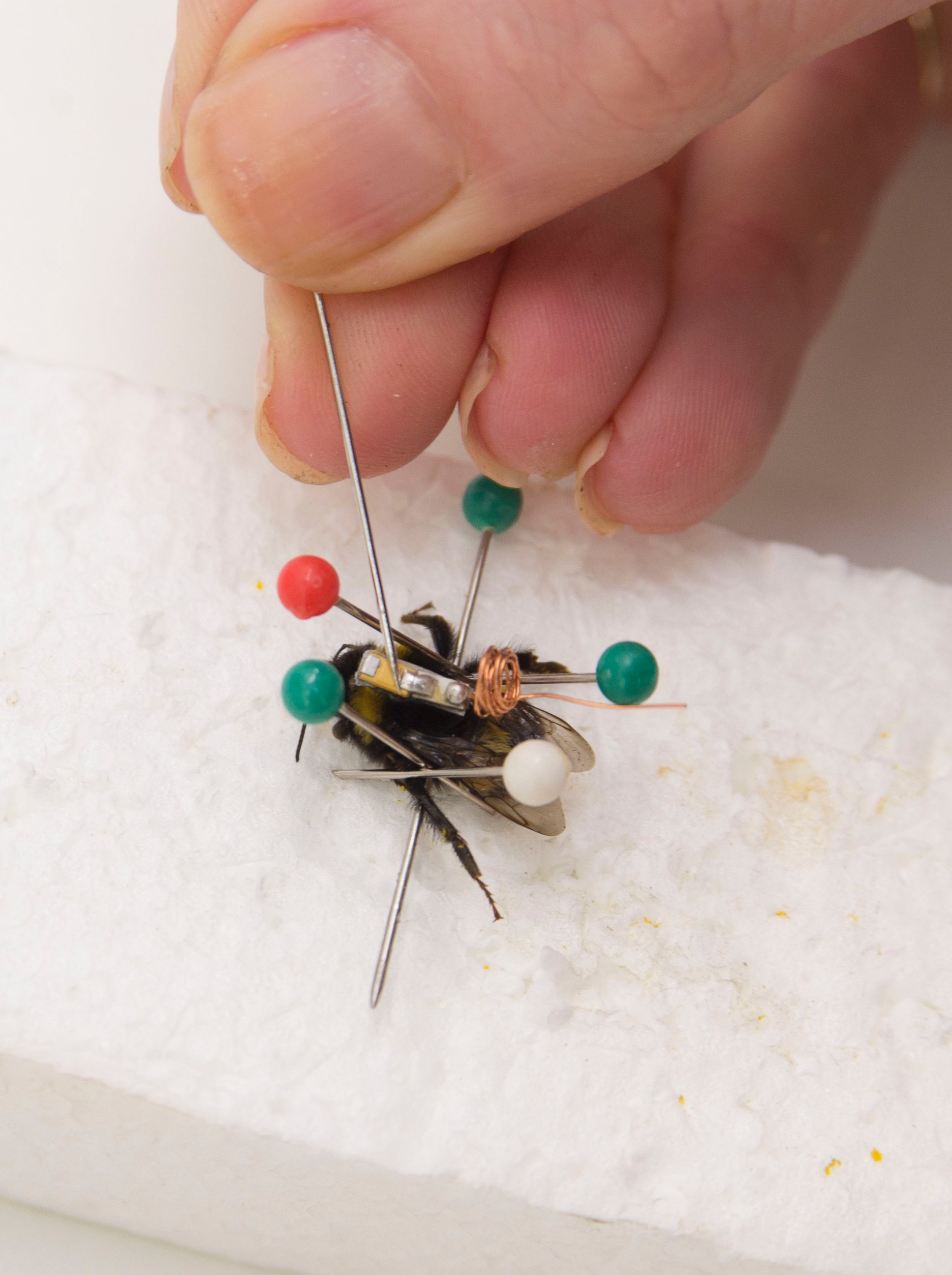
Kew Gardens in London is mapping bee behavior using tiny trackers mounted to their bodies.

In order to suit up the bees, they were first chilled for ten minutes to make them calmer. Using tweezers, researchers then carefully glued the trackers onto the bees' backs using superglue.
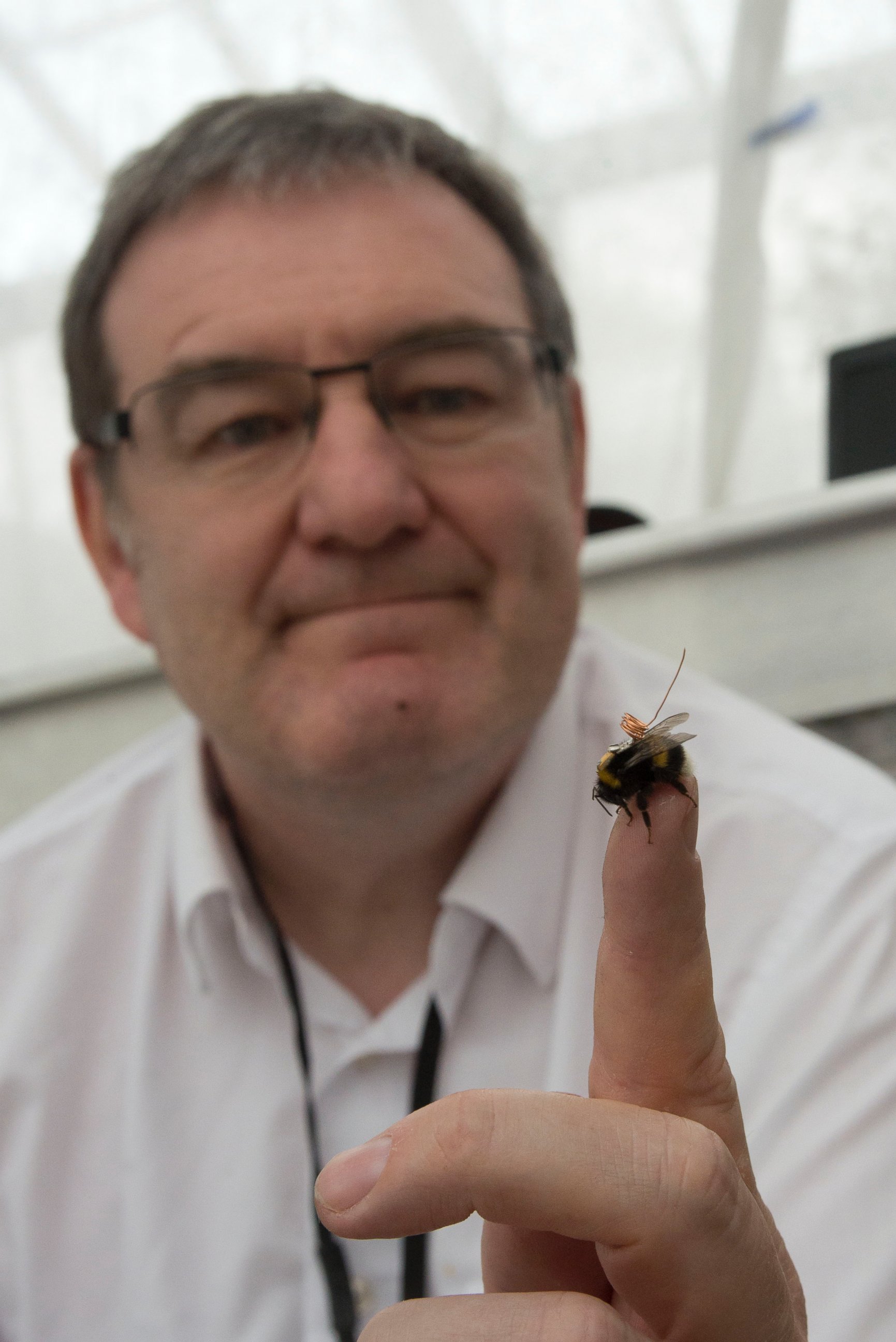
Kew Gardens in London is mapping bee behavior using tiny trackers mounted to their bodies.

The bee backpacks measure 4.8 millimeters by 8 millimeters. They include radio frequency identification tags that allow ecologists to detect bee behavior from as far as 1.2 meters from a detecting unit.

Each bee has a unique tag that allows researchers to monitor their behavior. The tag reports back to the detecting unit within its range.
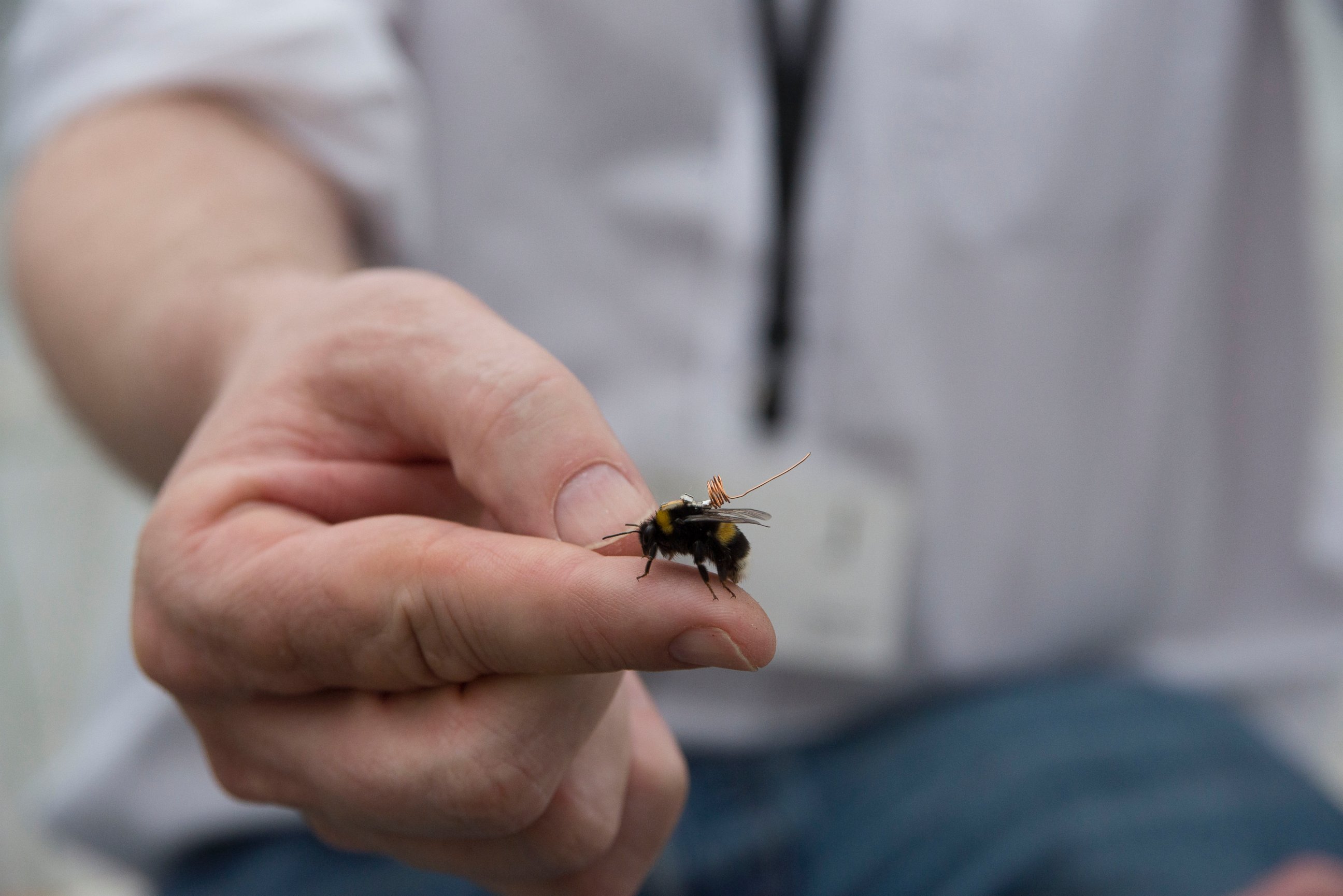
Kew Gardens in London is mapping bee behavior using tiny trackers mounted to their bodies.

"This piece of the puzzle, of bee behavior, is absolutely vital if we are to understand better why our bees are struggling and how we can reverse their decline," Sarah Barlow, a scientist at Kew Gardens who tested the technology, said in a statement.

The technology, which was developed by Tumbling Dice Ltd., could be used after the trial to track the movements of other insects and how they interact with flora, fauna, crops and the world around us, scientists said.

Up Next in News—

'Cheers' director James Burrows dies at 85

June 20, 2026

Anne Hathaway reveals pregnant with 3rd child, baby bump in new Instagram video

June 19, 2026

'Grandmother of Juneteenth' Opal Lee says efforts are being made to erase Black history

June 19, 2026

Barack, Michelle Obama reflect on new presidential center, greatest White House legacy

June 18, 2026

Shop GMA Favorites

ABC will receive a commission for purchases made through these links.

Sponsored Content by Taboola

The latest lifestyle and entertainment news and inspiration for how to live your best life - all from Good Morning America.
  • Contests
  • Terms of Use
  • Privacy Policy
  • Do Not Sell My Info
  • Children’s Online Privacy Policy
  • Advertise with us
  • Your US State Privacy Rights
  • Interest-Based Ads
  • About Nielsen Measurement
  • Press
  • Feedback
  • Shop FAQs
  • ABC News
  • ABC
  • All Videos
  • All Topics
  • Sitemap

© 2026 ABC News
  • Privacy Policy— 
  • Your US State Privacy Rights— 
  • Children's Online Privacy Policy— 
  • Interest-Based Ads— 
  • Terms of Use— 
  • Do Not Sell My Info— 
  • Contact Us— 

© 2026 ABC News