Bloody crackdown appears to have quelled Iran protests for now
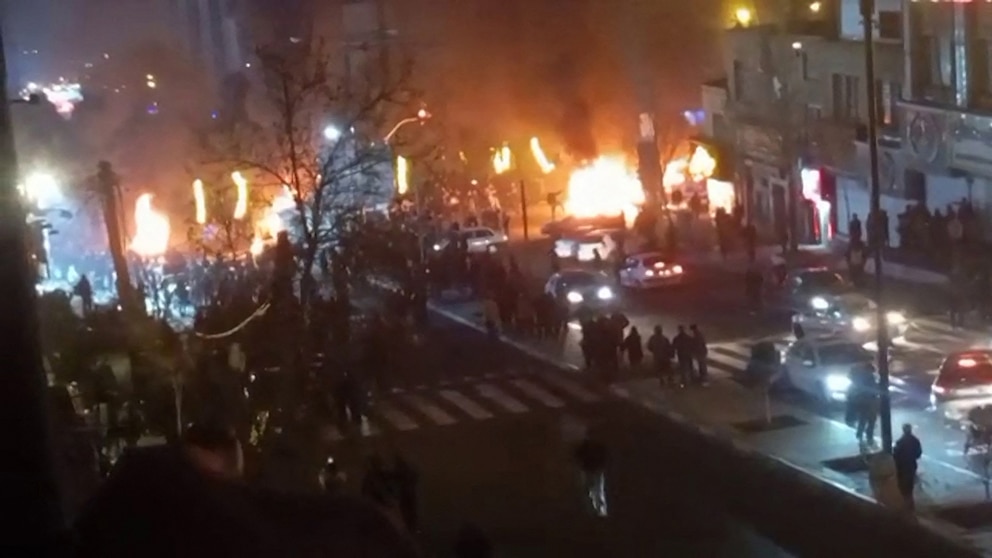
An extraordinarily violent crackdown by Iranian security forces appears to have succeeded for now in driving protesters from the streets, according to activists and analysts who managed to speak with people inside the country despite the information blackout.
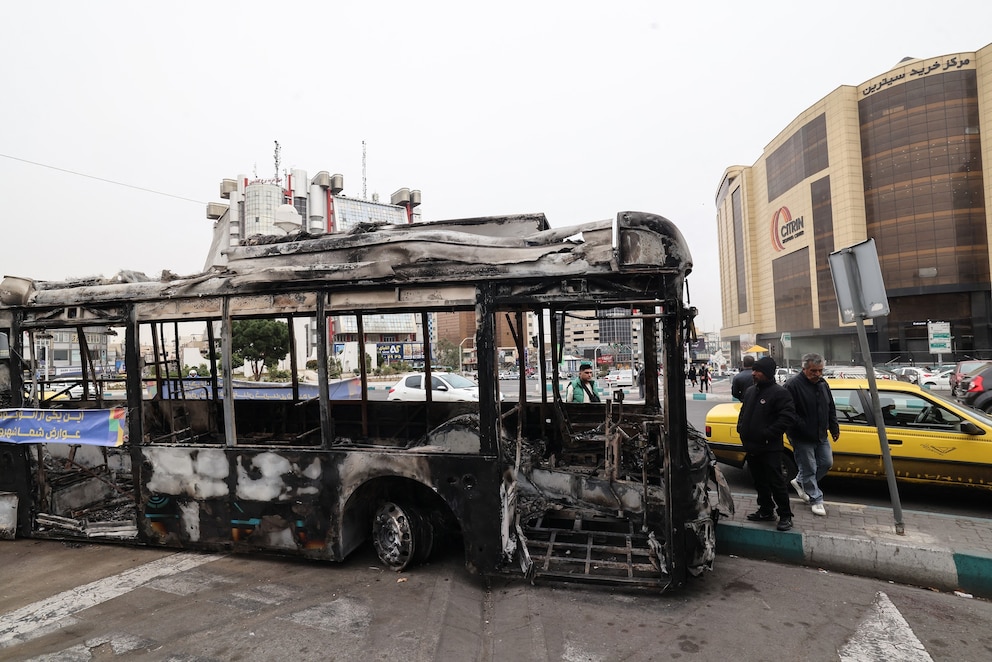
Demonstrations began in late December with protesters chanting in Tehran against rising inflation and the falling value of the national currency before spreading across Iran and becoming more explicitly anti-government. Authorities have shut down the internet in Iran for more than a week as security forces moved to crush the protests.
The internet blackout in Iran continues to make it very difficult to get a clear picture from the ground, but accounts are emerging from people now able to use phone lines, those few with access to working Starlink satellite terminals and Iranians who have recently left the country.
These people describe an eerie calm over Iran's cities, where heavily armed security forces are deployed on the streets enforcing what many are describing as a de-facto curfew.
Mehdi Yahyanejad, an Iranian activist based in Washington, D.C., says he has helped send in hundreds of Starlink terminals to citizen journalists and others in Iran to help get around the government blackout.
"Unfortunately, the crackdown has been so severe the protests have pretty much come to a halt," he said told ABC News on Thursday.
"There are security forces everywhere -- there is a state of fear," said Yahyanejad, who co-founded Net Freedom Pioneers, an anti-censorship group.
The smothering of the protests would seem to make U.S. military intervention less likely. President Donald Trump initially signaled there could be possible U.S. military action in support of protesters.
Yahyanejad said in the past few days there are still signs of dissent -- people were heard chanting anti-regime slogans from windows. In some neighborhoods groups of youths have also gathered and shouted slogans, before quickly fleeing when security forces arrive.
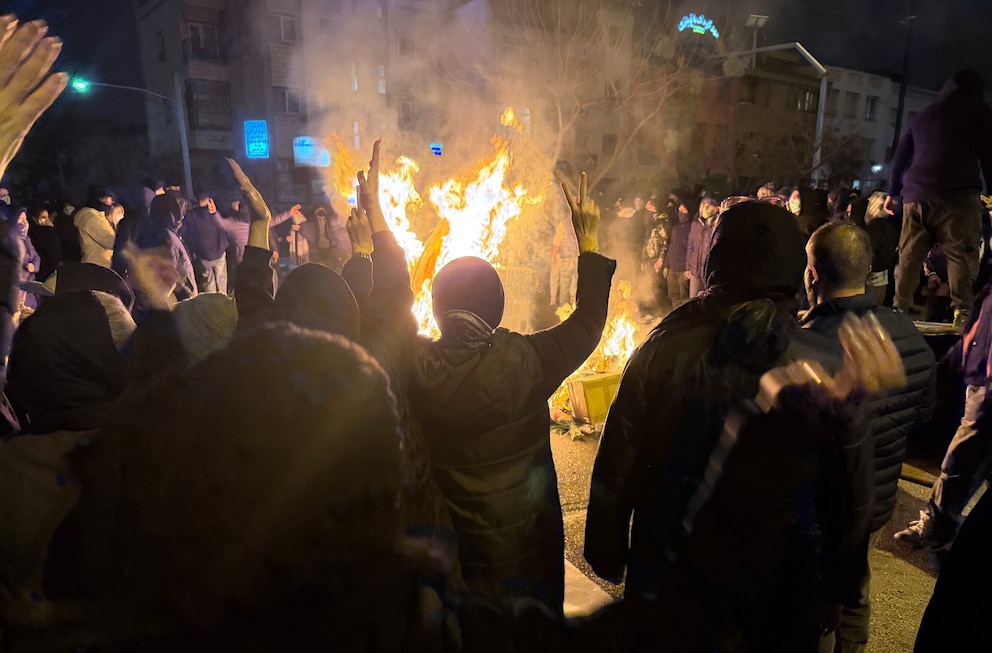
The death toll from the crackdown continues to grow as more information comes out. The D.C.-based Human Rights Activists News Agency, HRANA, now puts it at more than 3,919 protesters killed since Dec. 28.
A total of 24,669 people have been arrested in the protests since they began, including 2,107 injured protesters with serious wounds, according to HRANA.
ABC News cannot independently verify these numbers. Although there have not been signs of major demonstrations in recent days, human rights groups are continuing to verify the identities of those killed over the weeks of unrest.
The Islamic Republic has not released a death toll, but Ayatollah Ali Khamenei said Saturday that thousands have been killed. Other Iranian authorities have said before that two-thirds of those dead are "martyrs" killed by protesters that they describe as "terrorists" and "mercenary agents of Israel and the U.S."
Yahyanejad said while there was intense anger under the surface still, he doubted the protests would restart unless the U.S. launched strikes.
"I think if there is no action from the U.S., I don't think they are going to come back that soon," he said.
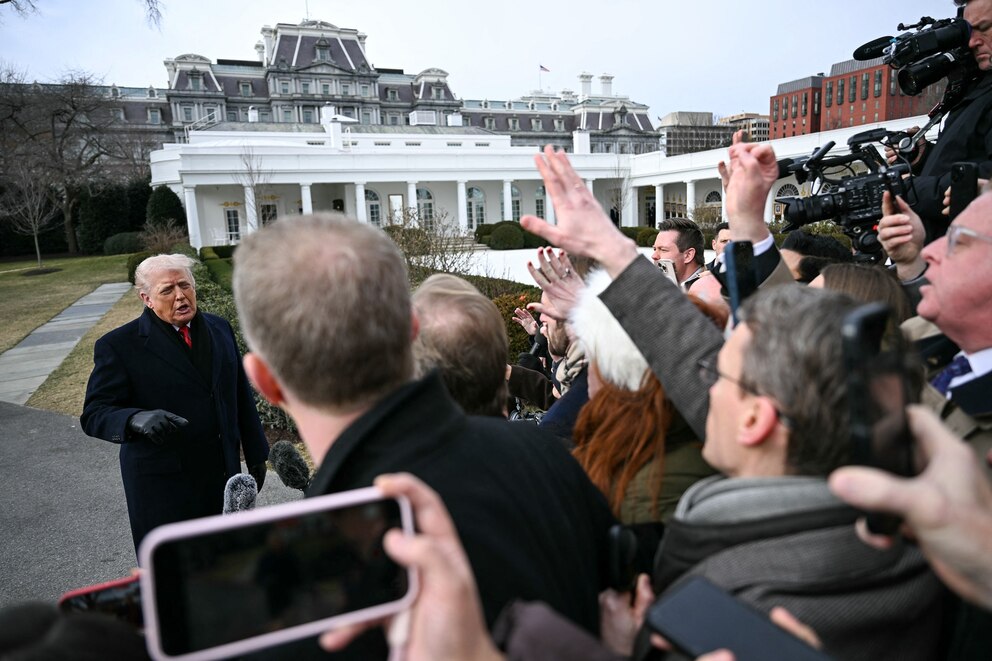
Regarding a possible U.S. response, President Donald Trump told reporters Friday afternoon that it was not Arab and Israeli officials who convinced him not to strike Iran, but that he made the decision himself not to strike the country.
"Nobody convinced me. I convinced myself," Trump said.
Iranian President Masoud Pezeshkian posted to X on Sunday that "any aggression against the Supreme Leader of our country is tantamount to all-out war against the Iranian nation," referring to Ayatollah Ali Khamenei.
He also blamed what he described as "the longstanding enmity and inhumane sanctions imposed by the United States government and its allies" against Iran as "one of the main reasons" for the "hardship and difficulties" faced by people in Iran.
Trump applauded the Iranian regime for what he claims is the cancellation of over 800 scheduled hangings on Thursday, according to what he said "are very important sources on the other side."
"I greatly respect the fact that all scheduled hangings, which were to take place yesterday (Over 800 of them), have been cancelled by the leadership of Iran," Trump said on his social media platform Friday.
The head of Iran's judiciary, Gholamhossein Mohseni-Ejei, had suggested Wednesday that there would be expedited trials and executions for those who have been arrested in the nationwide protests. The Iranian government has yet to comment on Trump's claim that the scheduled hangings have been halted.
Concerns about the safety of injured protesters
There are fears the arrests are just beginning as the regime moves to round up protesters, activists and independent analysts told ABC News.
Injured people are frightened to visit hospitals or clinics because security officers are waiting for them there, according to Yahyanejad.
There are also allegations that during the mass killing, some severely injured protesters were removed from hospitals and executed, according to activists and analysts. The accusations are based on videos that show bodies still intubated or with catheters, but with bullet wounds to the head.
Reviewing the pictures of the bodies, Yasser Ghorashi, an Iranian doctor, told ABC News that hospitals in Iran never send a body to the morgue without removing all medical tools and devices.
The Toronto-based Iranian doctor said that he had been in touch with doctors inside the country who reported security forces had raided hospitals and taken injured protesters.
Their accounts match videos verified by ABC News that shows security forces raiding hospitals in Ilam, a city in west Iran, during the early days of the protests.