The Bombing of Laos: By the Numbers
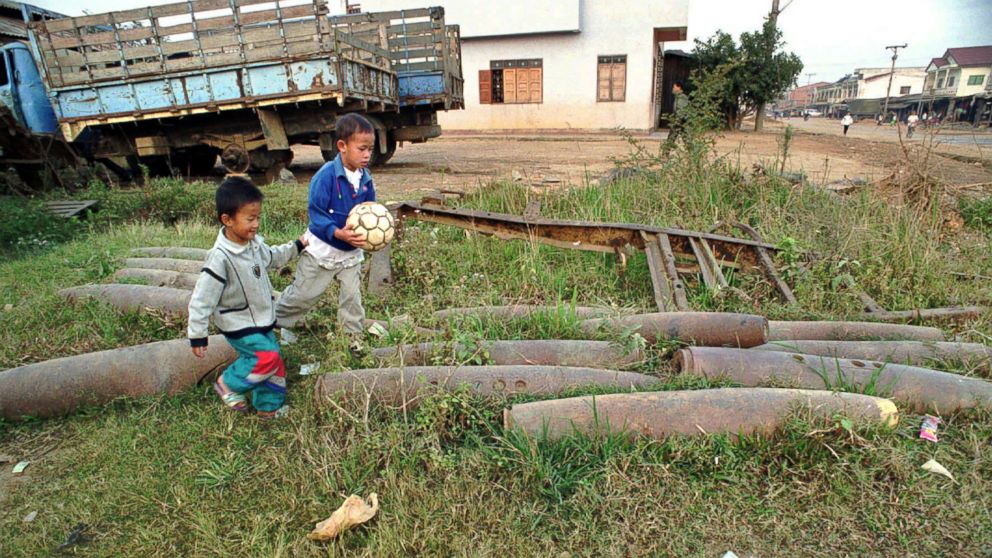
— -- President Obama announced today that the United States is doubling its funding to clear bombs dropped in Laos during the Vietnam War era.
An additional $30 million per year will be given to Laos for three years to help clear undetonated cluster bombs that still pockmark the landscape. Obama, who is attending the ASEAN Summit in Laos, said the U.S. has a “moral obligation to help Laos heal” and that the “remnants of war continue to shatter lives.”
Here is an ABC News breakdown on the history of the bombing in Laos:
America's Secret War
As the U.S. fought against communism in Vietnam, a civil war was also raging in Laos between the communist Pathet Lao party and the Royal Lao Government.
To support the Royal Lao Government against the communists, and to disrupt supply lines being used by the communist Vietnamese forces, the CIA waged a proxy war in Laos, dropping two million tons of ordnance. The CIA has called the effort “the largest paramilitary operations ever undertaken by the CIA.” The bombing campaign began in 1964 and lasted until 1973.
This proxy war was unknown to many at the time. An airline secretly owned by the CIA, Air America, hugely assisted in the operation.
The fate of the CIA proxy war in Laos became inextricably linked to the war in Vietnam. As American forces lost their battle to the north Vietnamese to the east, the U.S.-backed regime in Laos began to lose power, as well. In 1973, a cease-fire between the warring Lao parties was signed, and the CIA ended its aerial bombardment. Eventually, the communist party gained control of Laos, and the country remains communist today.
By the Numbers
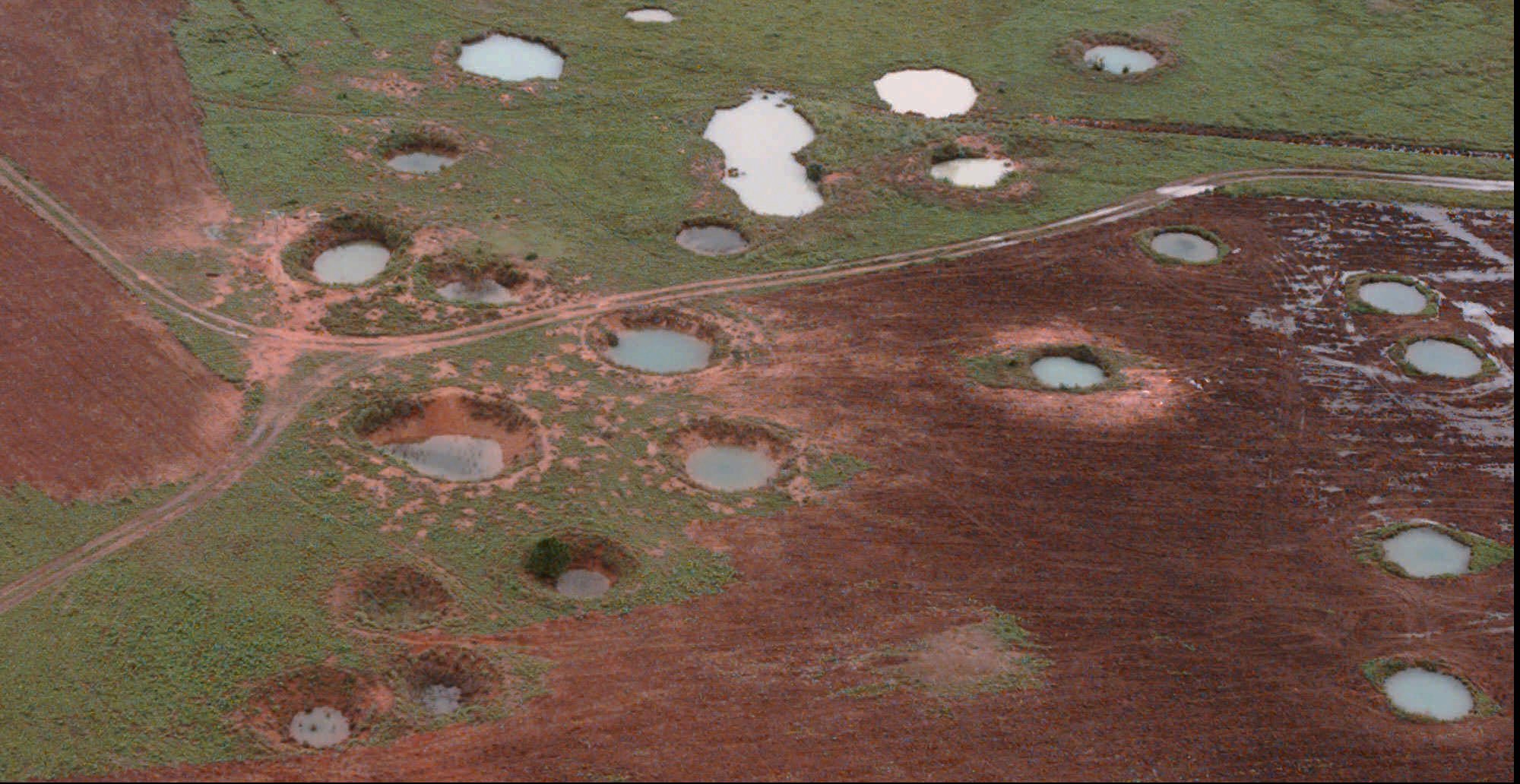
2 million tons – the amount of ordnance dropped on Laos between 1964 and 1973, according to Legacies of War, an advocacy and education group. This amounts to a planeload of bombs every eight minutes, 24 hours per day, for nine years.
270 million - the number of cluster bombs that were dropped on Laos during this period.
80 million -- the estimated number of cluster bombs that did not detonate, most of which are still buried in farmland.
210 million -- how many more bombs were dropped on Laos than were dropped on Iraq in 1991, 1998, and 2006 combined. In fact, Laos is the most heavily bombed country per capita in history.
20,000 -- the number of people who have been killed or injured by unexploded ordnance in Laos.
50 -- the number of casualties per year, down from 310 per year in 2008. Forty percent of the victims are children.
$4.9 million -- the average amount per year the U.S. has spent on clearing unexploded ordnance in Laos, from 1993 to 2016.
$30 million -- the amount the U.S. will spend on clearing unexploded ordnance each year for the next three years.
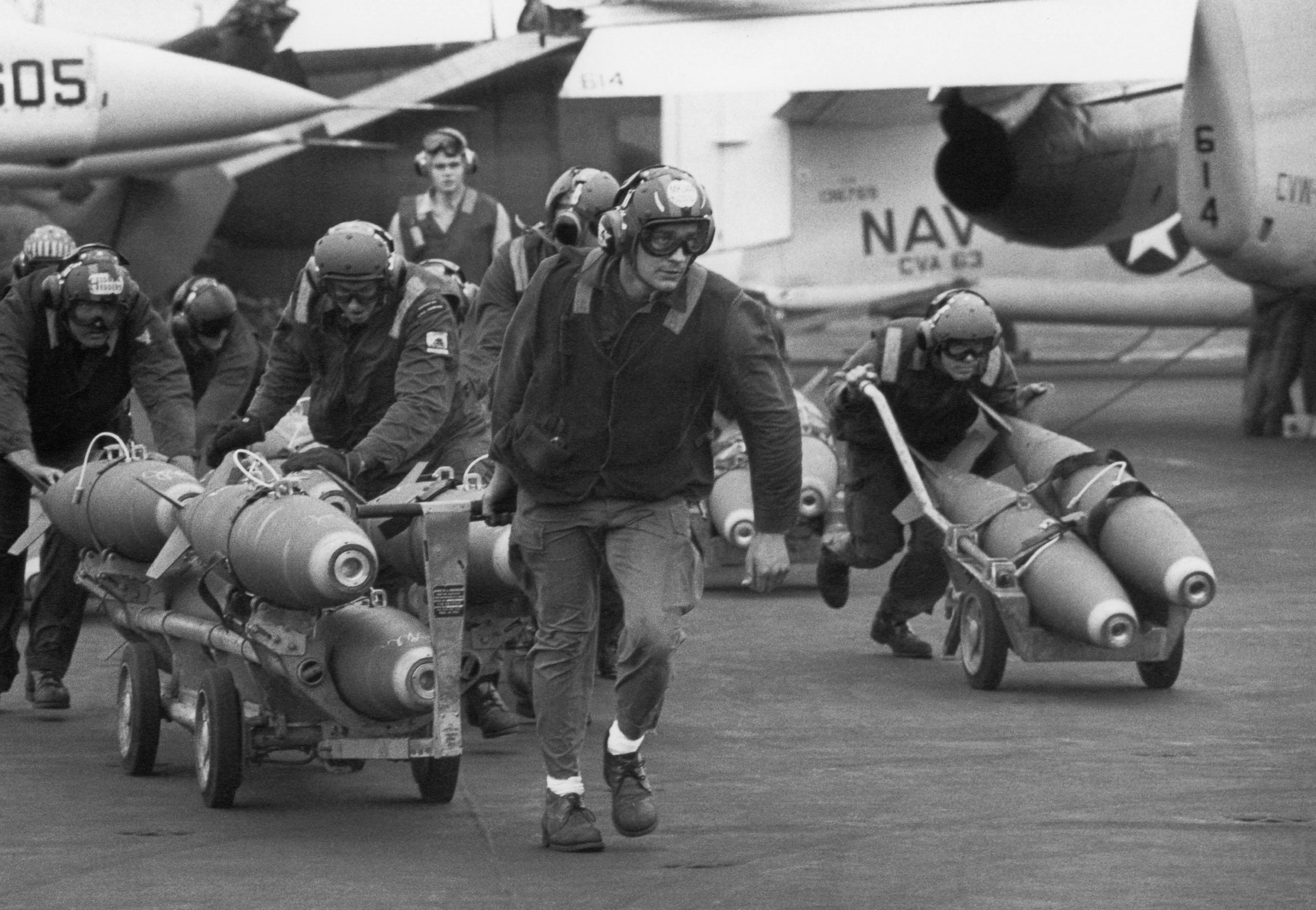
What Are Cluster Bombs?
The bombs littering the Laotian landscape are known as cluster bombs or “bombies” in local parlance.
A cluster bomb is designed to explode into smaller pieces of shrapnel, causing casualties over a large area.
The smaller pieces of these bombs, known as cluster munitions, are they are usually the size of a soup can, an orange, or a tennis ball.
Those cluster bombs that do not explode on impact can remain buried in the ground for years, posing an indefinite danger to the civilians who live around them. They can be set off in a variety of ways, including if they are struck with a shovel by a farmer or if rain and floodwaters uncover them.
These bombs can cause major injuries such as blindness, loss of limbs, hearing loss, traumatic brain injuries, and shrapnel wounds.
Many farmers know their land is contaminated with bombs, but they can’t afford to move or purchase more land, so they must take the risk to farm contaminated land.
ABC News' Elizabeth McLaughlin contributed to this report.