• Video
  • Shop
  • Culture
  • Family
  • Wellness
  • Food
  • Living
  • Style
  • Travel
  • News
  • Book Club
  • Newsletter
  • Privacy Policy
  • Your US State Privacy Rights
  • Children's Online Privacy Policy
  • Interest-Based Ads
  • Terms of Use
  • Do Not Sell My Info
  • Contact Us
  • © 2026 ABC News
  • News

Border collie-koolie uses his nose to find koalas affected by Australia bushfires
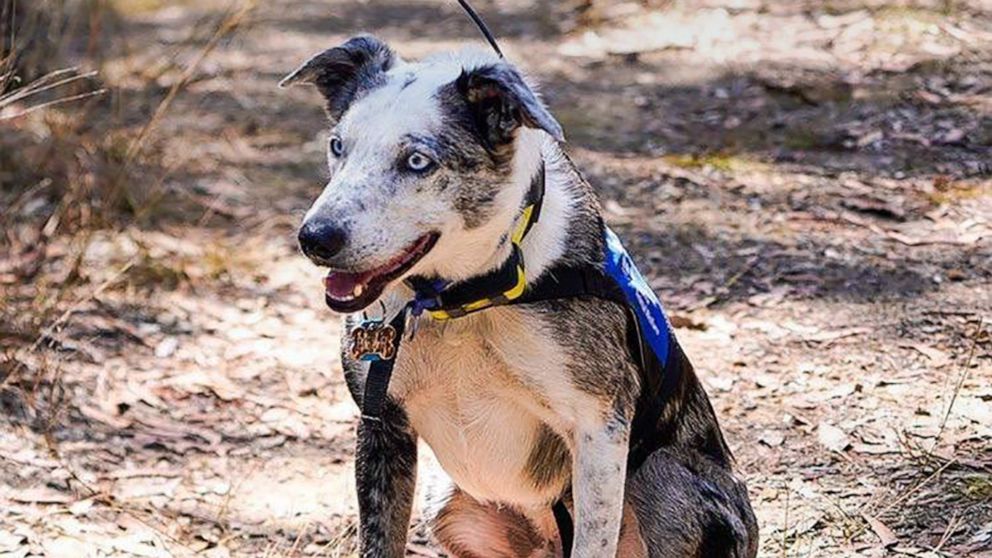
1:03
Hero dog uses his nose to find koalas affected by Australia bushfires
Fiona Clark via IFAW
ByElla Torres
November 19, 2019, 2:37 PM

A border collie-koolie cross is helping find at-risk koalas living in areas in Australia that have been devastated by bushfires.

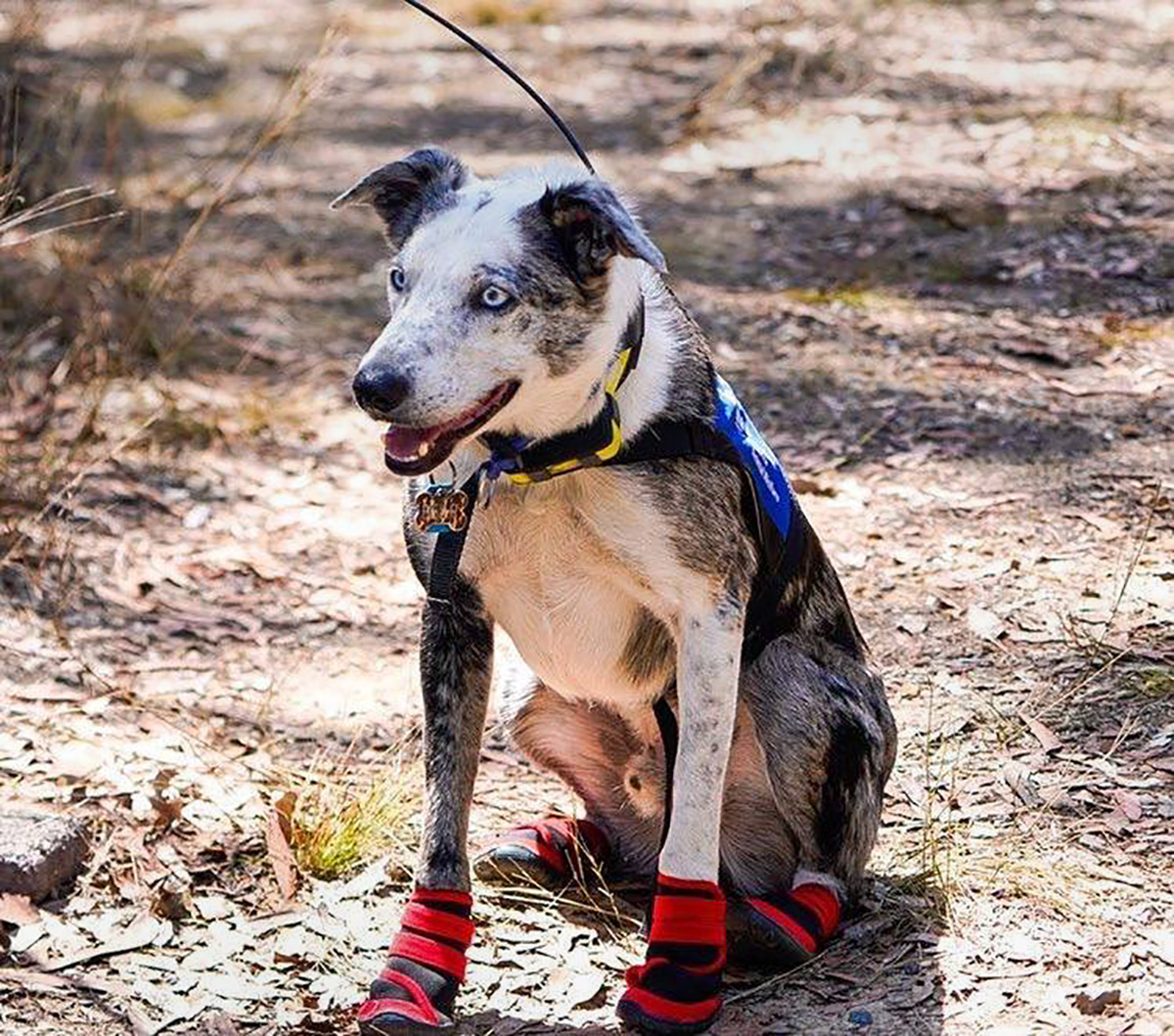
Bear, the "koala detection dog," is able to use his nose to sniff out any koalas and help rescue teams find them, according to a press release from the International Fund for Animal Welfare (IFAW).
Related Articles

(MORE: Dog found in Bahamas rubble 3 weeks after hurricane adopted by Florida family)

"Bear," a koala detection dog from the International Fund for Animal Welfare, joined the rescue efforts in Bungawalbin National Park, Australia.
Fiona Clark via IFAW

His services are being used in Northern Rivers, a region in Australia’s state of New South Wales, where bushfires have claimed the lives of six people and destroyed around 530 homes, according to The Guardian.

Bear was able to detect the presence of koalas in Ngunya Jargoon, an Indigenous protected area in the state, but because of high winds, he wasn't able to pinpoint their exact location.

However, rescue teams said it was "a relief" that Bear sniffed out the presence of koalas, which indicated some are still living in the area.
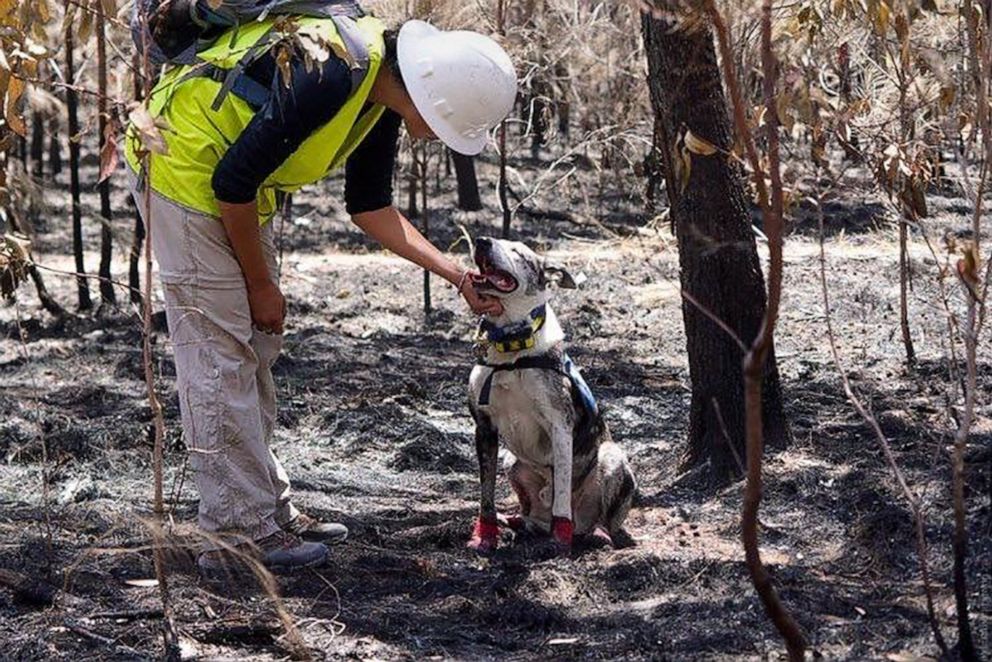
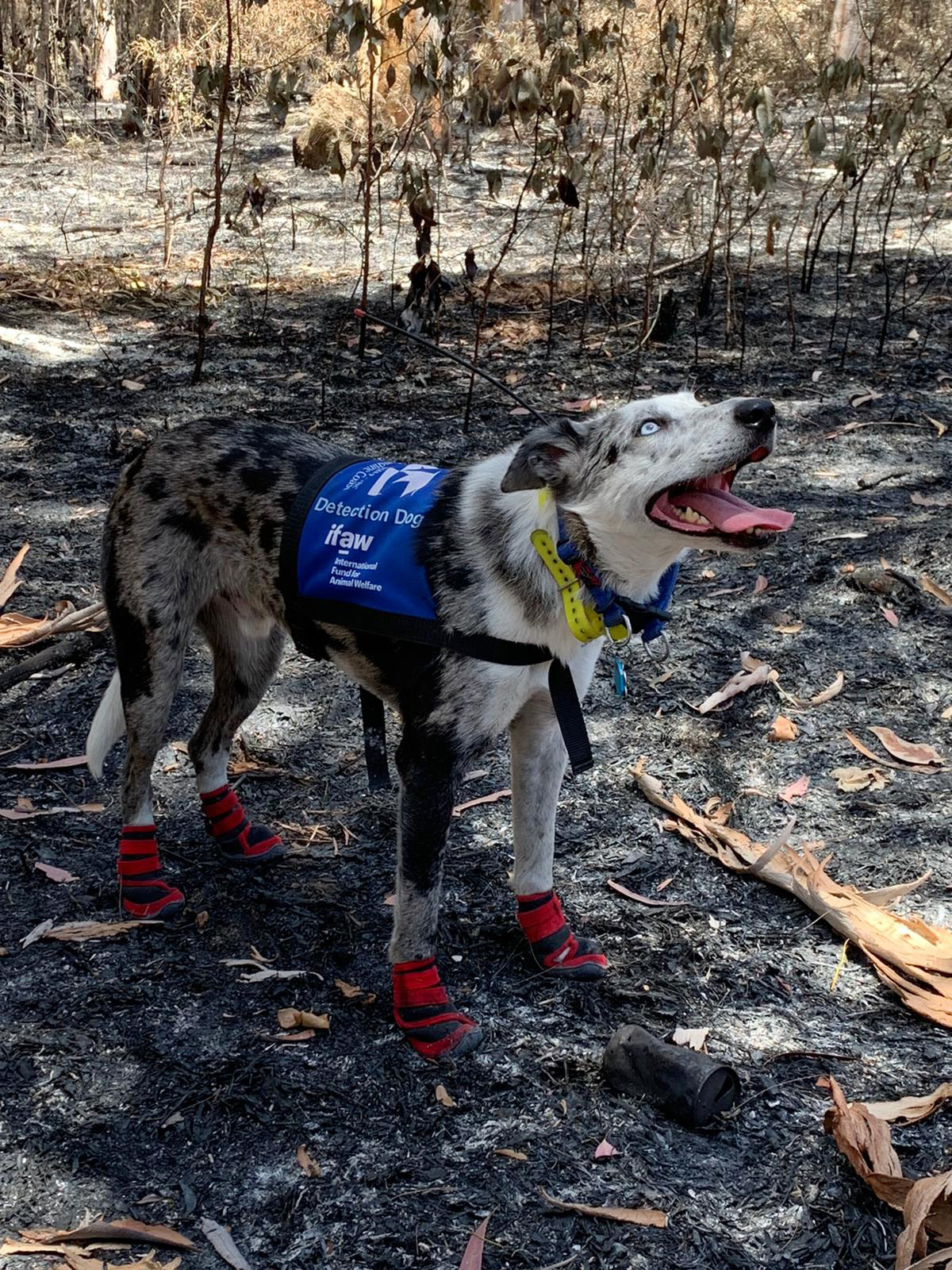
"Bear," a koala detection dog from the International Fund for Animal Welfare, joined the rescue efforts in Bungawalbin National Park, Australia.
Fiona Clark via IFAW
PHOTO: "Bear," a koala detection dog from the International Fund for Animal Welfare, joined the rescue efforts in Bungawalbin National Park, searching an area recently decimated by fires. "Bear" indicated the presence of koalas at several sites.
"Bear," a koala detection dog from the International Fund for Animal Welfare, joined the rescue efforts in Bungawalbin National Park, Australia, along with his handler. The pair searched an area recently decimated by fires, and "Bear" indicated the presence of koalas at several sites.
Fiona Clark via IFAW

Related Articles

(MORE: Woman opens her home to 97 rescue dogs during Hurricane Dorian )

"Now, more than ever, saving individual koalas is critical. With such an intense start to the bushfire season it will be many weeks and months before some of these fires are out," Josey Sharrah, IFAW's Wildlife Campaigner, said in a statement.

"Northern Rivers koalas are already struggling with prolonged drought, excessive land clearing and development, stress-related disease, dog attacks and car strikes," the statement continued. "These animals need us now more than ever."

Up Next in News—

This San Francisco shop is run completely by an AI agent

April 23, 2026

Mother charged after teen son allegedly hits and injures 81-year-old veteran while riding e-motorcycle

April 23, 2026

UK bill banning smoking products for those born after 2008 is one step away from becoming law

April 22, 2026

Pilot killed in Florida plane crash hailed as hero

April 21, 2026

Shop GMA Favorites

ABC will receive a commission for purchases made through these links.

Sponsored Content by Taboola

The latest lifestyle and entertainment news and inspiration for how to live your best life - all from Good Morning America.
  • Contests
  • Terms of Use
  • Privacy Policy
  • Do Not Sell My Info
  • Children’s Online Privacy Policy
  • Advertise with us
  • Your US State Privacy Rights
  • Interest-Based Ads
  • About Nielsen Measurement
  • Press
  • Feedback
  • Shop FAQs
  • ABC News
  • ABC
  • All Videos
  • All Topics
  • Sitemap

© 2026 ABC News
  • Privacy Policy— 
  • Your US State Privacy Rights— 
  • Children's Online Privacy Policy— 
  • Interest-Based Ads— 
  • Terms of Use— 
  • Do Not Sell My Info— 
  • Contact Us— 

© 2026 ABC News