Breakdown of Biodegradable Plastics in Ocean 'Extremely Slow,' UN Report Says
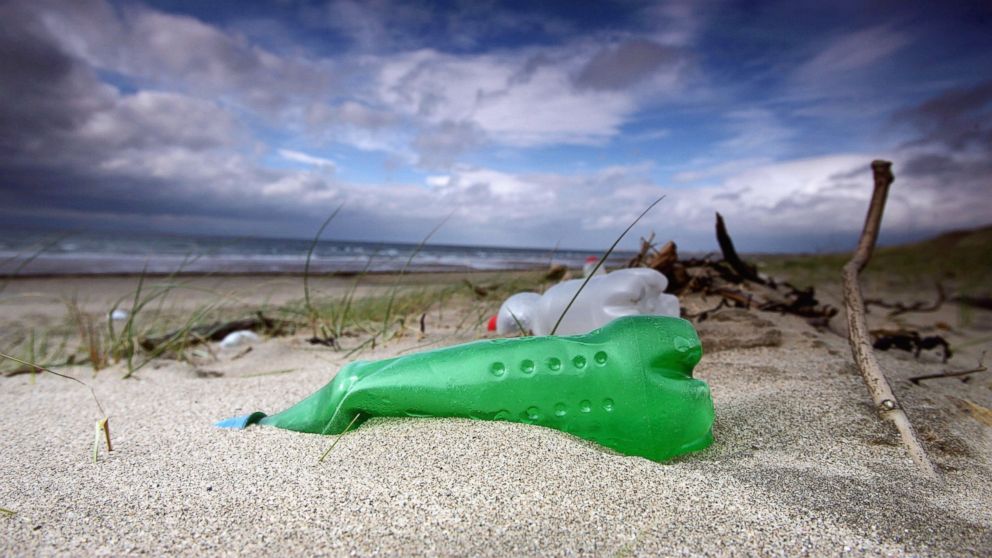
— -- Biodegradable plastics, often found in bottles and plastic bags, may not be part of the solution to ocean pollution as once marketed, according to a United Nations report published Monday, because they don't break down well in marine environments.
The report, written by the UN's top environmental scientists, says although biodegradable plastics were specifically designed to "be more susceptible to degradation," they won't solve the problem of litter in oceans because most plastic is extremely durable.
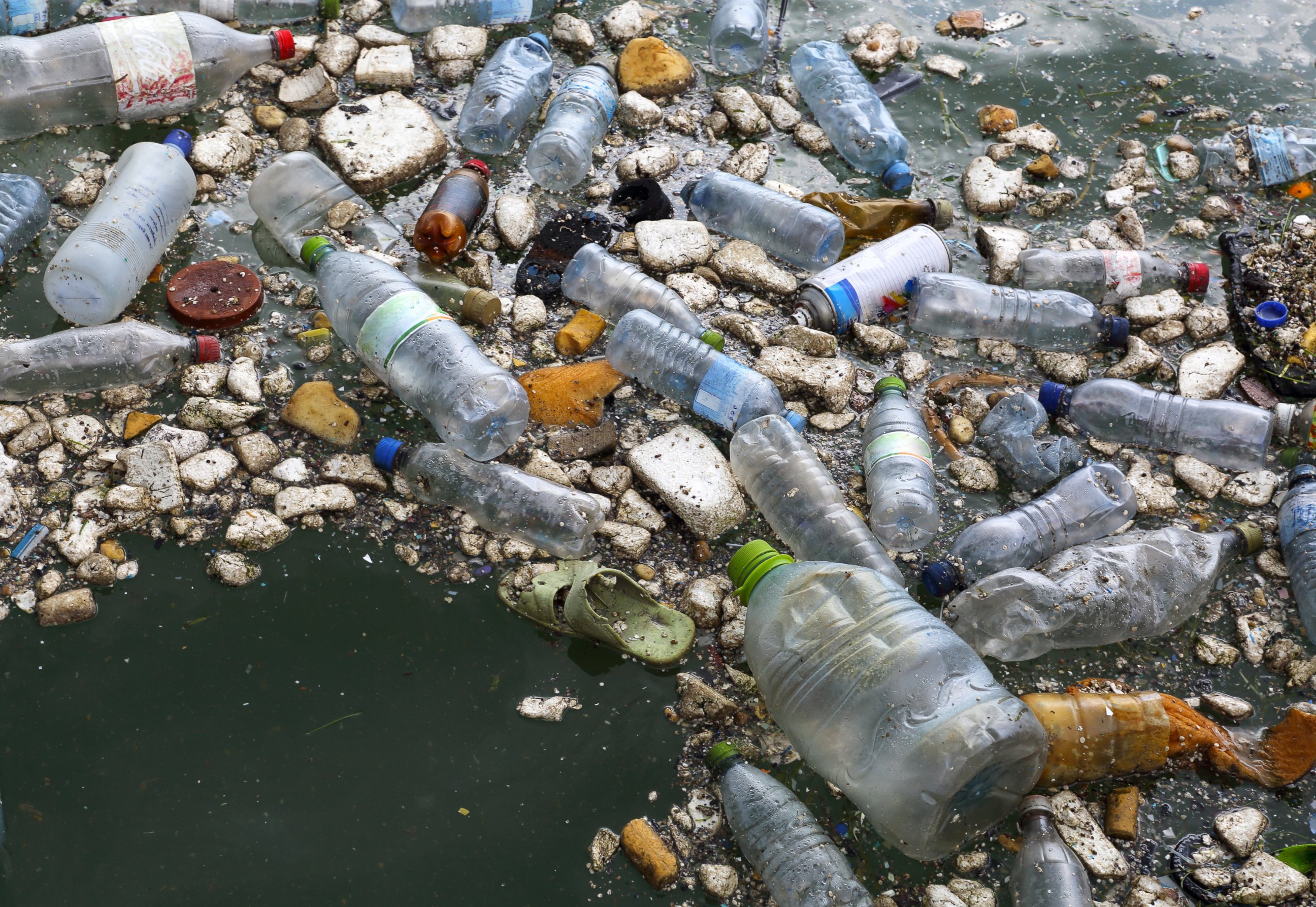
Plastics that break down in the environment were once thought of as an alternative that could possibly reduce the amount of waste in the ocean, but the rate at which they break down depends heavily on environmental conditions, the report stated.
There is also a lack of scientific evidence that biodegradation will occur any more rapidly than unmodified polyethylene, which is non-biodegradable, it said.
In ocean settings, the principal weathering agent is through UV irradiation, which is most pronounced on shorelines. Once the plastic is in the water, it is difficult to estimate the extent of biodegradation, but it is considered to be "extremely slow" due to decreased UV exposure and lower temperatures and oxygen levels, the report said.
The report also says that many biodegradable plastics require temperatures found in industrial composters -- around 122 degrees Fahrenheit -- "to breakdown completely into its constituent components of water, carbon dioxide, methane, on a reasonable or practical timescale."
And the report says that the biodegradable label encourages people to pollute.
The low density in plastics cause them to float, leading plastic debris and "microplastics" to distribute throughout the world through currents from the Arctic to the Antarctic, according to the report.
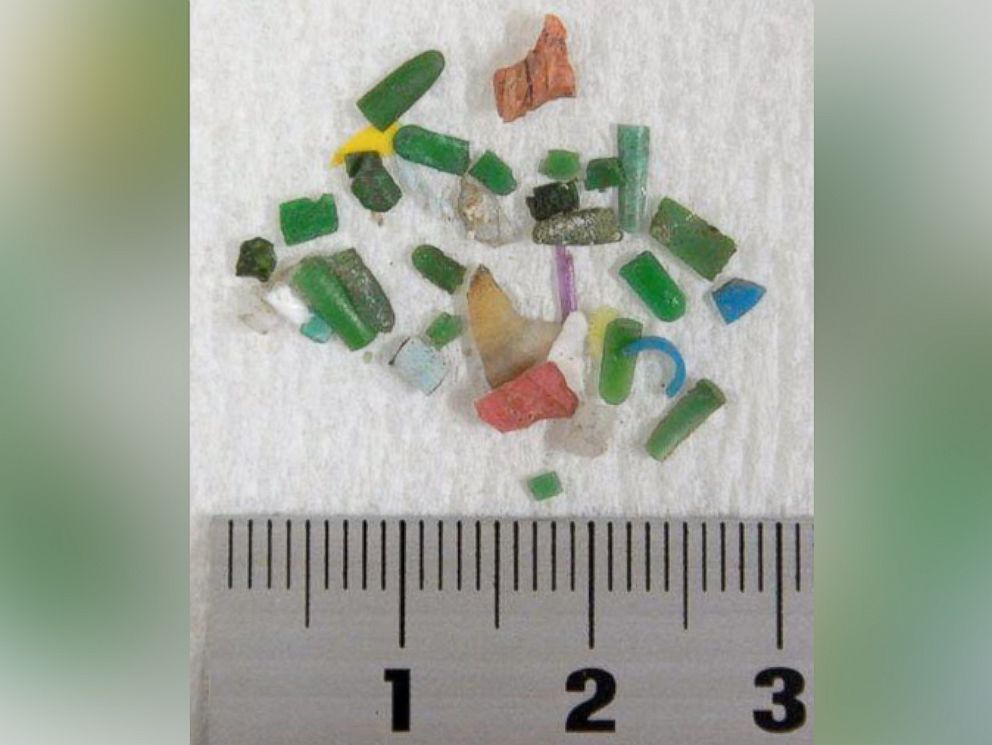
Microplastics, or particles of plastic less than 5 millimeters in diameter, are another significant problem plaguing the ocean. Most recently used for 3D printing, they're also referred to as "microbeads," found in personal care and cosmetic products such as toothpaste, cosmetics, cleansing agents and skin exfoliators. Last year, the state of California enacted a ban on personal care products containing microbeads, saying they get through typical water treatment plants and end up polluting waterways.
Large-scale production of plastics began in the 1950s because it presented "significant advantages" for food preservation, medical product efficacy, electrical safety and improved thermal insulation, according to the report. In 2014, 311 million tons of plastic were produced globally.
A trash vortex in the Pacific Ocean, known as the Great Pacific Garbage Patch, has formed between Japan and the West Coast of the U.S. due to a significant amount of plastic, according to National Geographic.