Breaking down Artemis II moon mission terms, jargon and what they mean
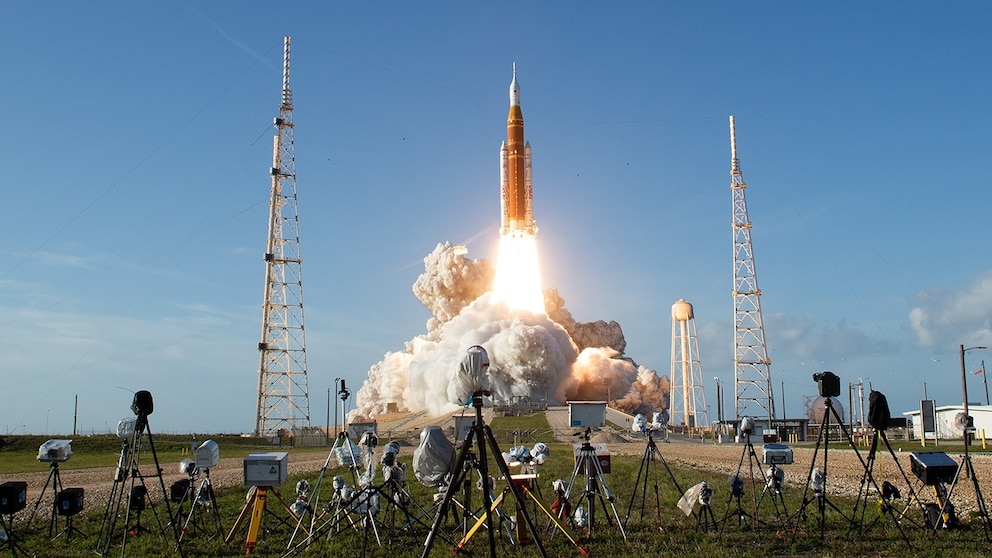
Artemis II made history on Wednesday evening as four astronauts rocketed to the moon for the first time in more than 50 years.
The crew will make a 685,000-mile, 10-day journey that will loop them around the moon, traveling farther into deep space than any human has before.
However, following the path of Artemis II may be confusing as the astronauts, mission control and others use confusing jargon and phrases.
Here are explanations of some of the terminology people may hear over the course of the mission:
Translunar injection burn
The translunar injection (TLI) burn is the final step that sends the crew on the path to the moon, committing the Orion spacecraft to the remainder of its 10-day mission.
Lasting just minutes, it's a single-engine firing that propels the spacecraft out of Earth's orbit and on a "free-return trajectory."
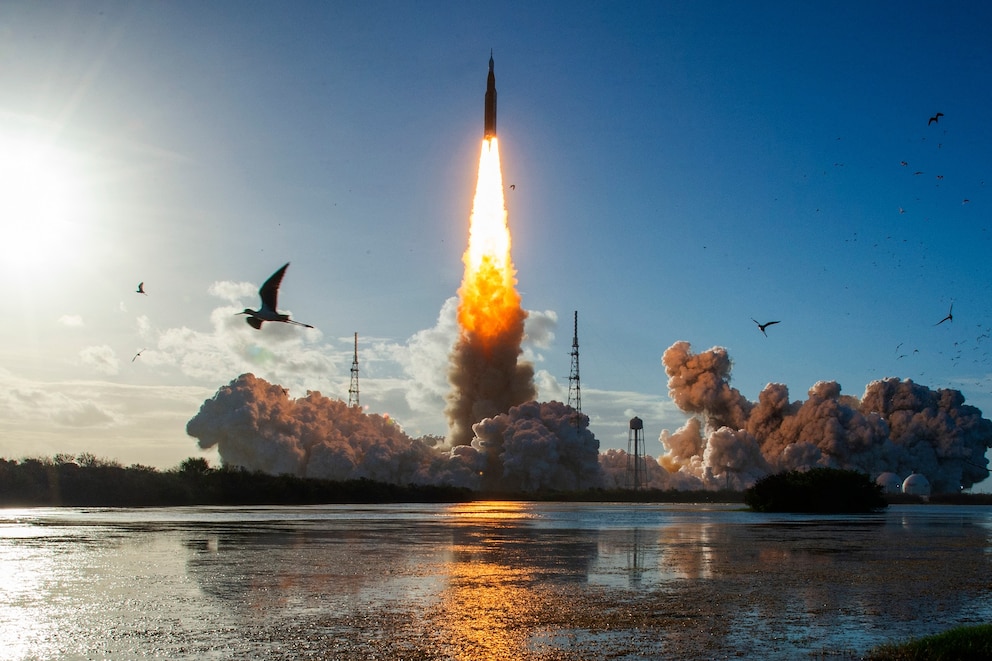
If the TLI burn goes as planned, Orion will loop around the far side of the moon and back to Earth, using gravity as an assist.
The main engine on Orion's service module, known as the Orbital Maneuvering System engine, will provide 6,000 pounds of thrust during the nearly six-minute burn, which is enough power to accelerate a car from 0 to 60 miles per hour in just 2.7 seconds.
Universal waste management system
As part of its history-making mission, the Artemis II crew has something onboard that crews of the Apollo missions -- which took place in the '60s and '70s -- never had: a space toilet.
The toilet, known officially as the universal waste management system, is located inside a stall just like in a public restroom on Earth, according to NASA.
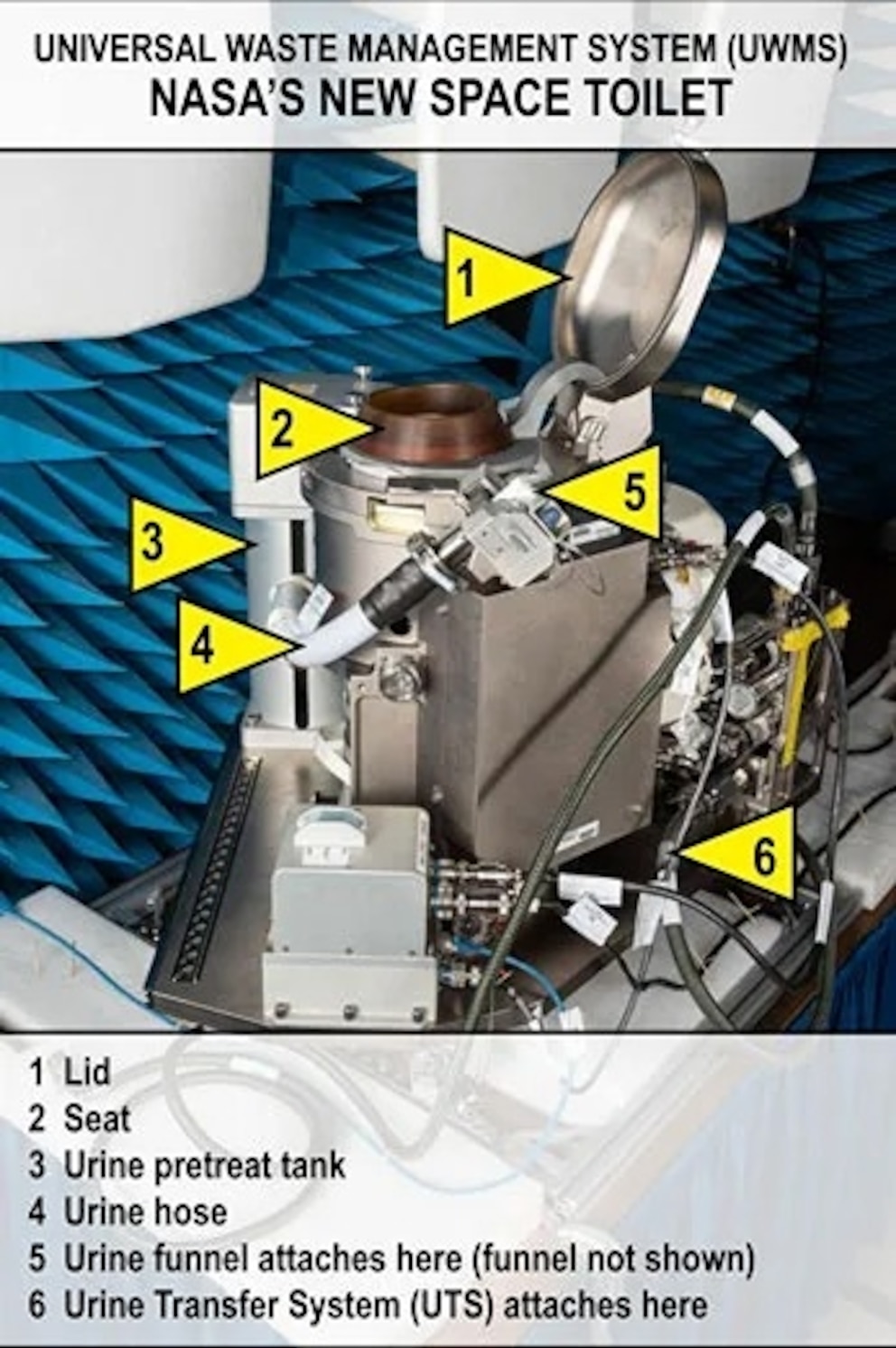
Space toilets use air flow to pull urine and feces away and into receptacles, which are stored for disposal. The astronauts have a handlebar to hold themselves down while using the toilet in the absence of gravity.
During the Apollo missions, astronauts used urine collection and transfer devices, as well as plastic bags taped to the buttocks to collect feces.
Lunar sphere of influence
Orion is scheduled to enter the lunar sphere of influence, meaning the moon is the main gravitational pull, on day five of the Artemis II mission.
The sphere of influence encompasses an approximately 40,000-mile radius region around the moon.
Far side of the moon
The far side of the moon, also sometimes called the dark side of the moon, is the side that is never seen directly from Earth.
Unlike the near side -- the side seen from Earth -- which is smoother and has flat lava plains known as maria, the far side is rugged and heavily cratered.
The Artemis II astronauts will be the first humans to see most of the far side of the moon since the Apollo missions.
"It turns out there's about 60% of the far side, I think, that has never been seen by human eyes because of the lighting conditions," Reid Wiseman, mission commander, said during a news conference on Sunday. "Apollo always wanted that light on the front side of the moon for their landing and launch capability. ... We've seen it in satellite photos, but humans have never, ever seen that before. That's cool."
Heat shield
The heat shield protects the crew when they re-enter Earth's atmosphere, withstanding temperatures of up to 5,000 degrees Fahrenheit.
ABC News' Matthew Glasser contributed to this report.