It's All About Businesses Not Taking the Benjamins, Baby
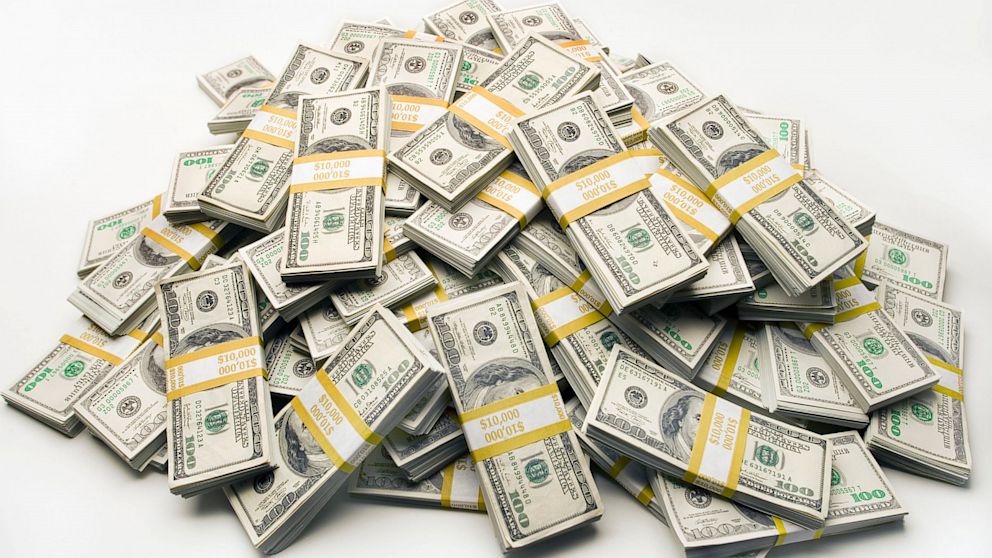
Jan. 31, 2014 — -- Dear ABC News Fixer: Over the past few years, I've noticed a growing number of small businesses -- delis, bodegas, restaurants, small retailers, even taxi cabs -- posting signs saying, "Sorry, we cannot accept bills over $20."
I'm wondering how this is legal. U.S. currency is "legal tender for all debts, public and private." How can any business simply refuse to accept a $50 or $100 bill?
If the concern is counterfeiting, shouldn't that burden be on the business? Bars and other businesses have scanners at the register to verify larger bills. How can they simply refuse to accept legal currency? Just curious.
- John Petra, New York City, N.Y.
Got a consumer problem? The ABC News Fixer may be able to help. Click here to submit your problem online. Letters are edited for length and clarity.
Dear John: You're not the only one with this gripe. It seems the joy and wonder of getting a $100 bill is always quickly replaced with this thought: "Oh crud. Who's going to cash this $100 bill?"
You'd think that having the words "legal tender for all debts, public and private" printed right on the front of our currency would give consumers holding these big bills the right to use them, no matter what. Unfortunately, the law sees it differently.
According to the U.S. Treasury Department website, under the Coinage Act of 1965, U.S. coins and currency are "legal tender for all debts, public charges, taxes and dues" – meaning U.S. money is valid and legal for paying debts you owe to a creditor.
However, there's no rule that any private business, person or organization must accept currency or coins for a purchase. They can specify whatever payment they want, unless there's a state law prohibiting it.
So, even though we may really want to use a C-Note at a hot dog stand, or get rid of 30,000 pennies to buy a new flat-screen TV, we're still at the mercy of the merchants involved.
- The ABC News Fixer