• Video
  • Shop
  • Culture
  • Family
  • Wellness
  • Food
  • Living
  • Style
  • Travel
  • News
  • Book Club
  • Newsletter
  • Privacy Policy
  • Your US State Privacy Rights
  • Children's Online Privacy Policy
  • Interest-Based Ads
  • Terms of Use
  • Do Not Sell My Info
  • Contact Us
  • © 2026 ABC News
  • News

1st case of Eastern equine encephalitis confirmed in Connecticut, health officials say
1:07
Mosquito-borne virus threat grows with 2 new deaths
Tim Boyle/Getty Images, FILE
ByJulia Jacobo
September 17, 2019, 3:24 PM

The first case of Eastern equine encephalitis has been confirmed in Connecticut as the virus continues to spread across North America.

The mosquito-borne virus was detected in an adult from the town of East Lyme, who fell ill in August, Connecticut Department of Public Health Commissioner Renée D. Coleman-Mitchell announced on Monday. The patient remains hospitalized, according to the release.

Related Articles

(MORE: Patient who contracted Eastern equine encephalitis in Michigan dies, officials say)

The rare virus can cause inflammation in the brain and is potentially deadly. About one-third of patients who develop it die, and many who survive end up having mild to severe brain damage, according to the Centers for Disease Control and Prevention

"EEE is a rare but serious and potentially fatal disease that can affect people of all ages," Mitchell said in a statement, urging residents to protect themselves from mosquito bites by using insect repellent and covering their skin with clothing.
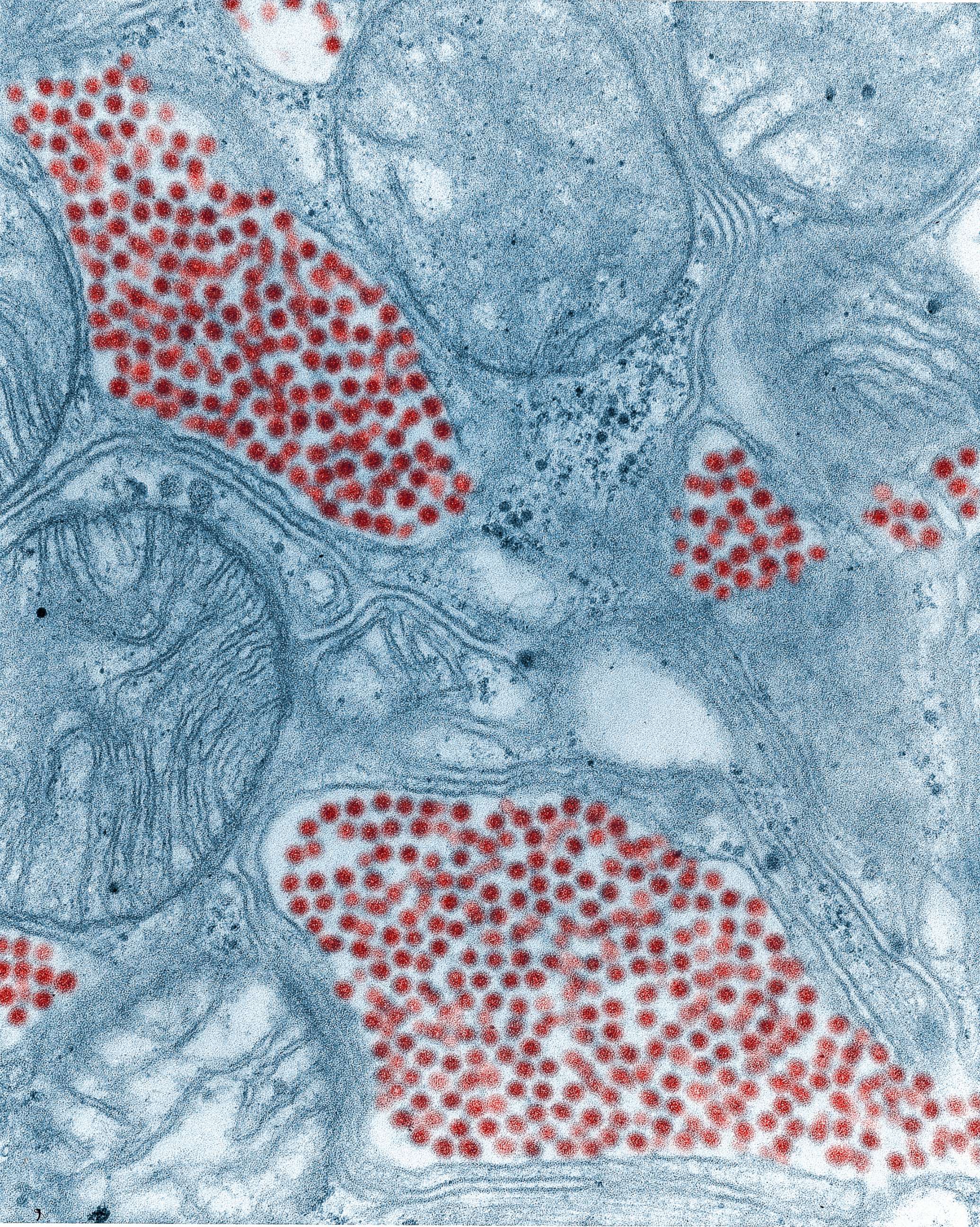
The Eastern equine encephalitis virus infecting the salivary gland of a mosquito has been colored red in this electron microscope image from 1968.
Fred Murphy and Sylvia Whitfield/CDC

There have been seven recorded cases of EEE in Massachusetts and three in Michigan, including one patient who died, according to health officials.

Related Articles

(MORE: 2 new cases of EEE include 5-year-old girl, woman)

In July, health officials in Orange County, Florida, announced an uptick in the virus among sentinel chickens, which show the presence of viruses such as EEE and West Nile but don't develop the symptoms associated with them.

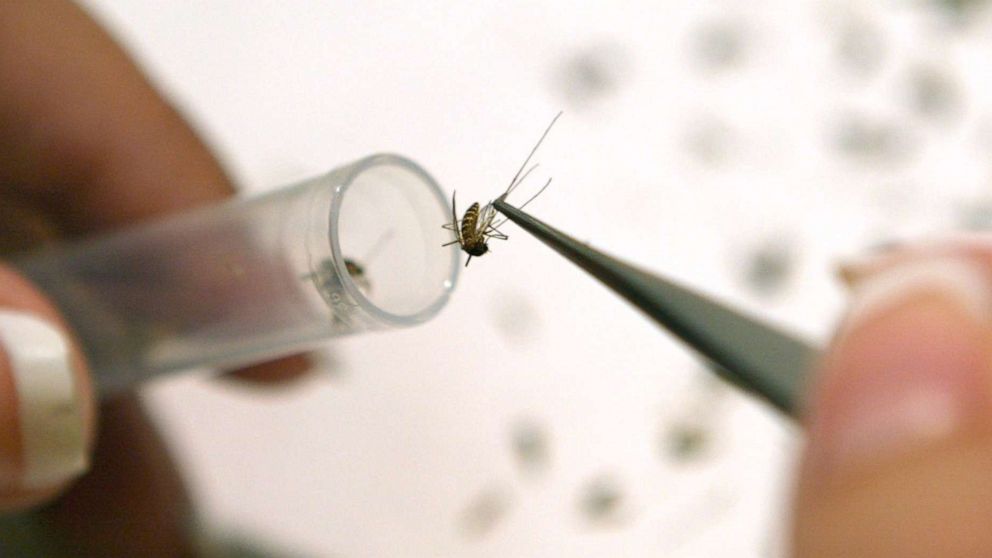
A lab assistant places a mosquito into a test tube to be tested for diseases including the West Nile Virus, Saint Louis Encephalitis, and Eastern Equine Encephalitis, June 20, 2003, in Wheeling, Ill.
Tim Boyle/Getty Images, FILE

Symptoms of EEE begin about four to 10 days after the bite of an infected mosquito and include a sudden onset of headache, high fever, chills and vomiting that could then progress into disorientation, seizures and coma, according to the CDC.

Related Articles

(MORE: Florida health officials announce uptick in mosquito-borne virus that causes brain swelling)

Typically, about five to 10 cases of EEE are reported in the U.S. annually, according to the CDC.


Up Next in News—

Man arrested near former Prince Andrew's home

May 7, 2026

Jake Reiner discusses death of parents Rob and Michelle Reiner in return to podcast

May 7, 2026

How to save on gas with new Fuel Day promo at Circle K amid soaring prices

May 7, 2026

Look back at Ted Turner's life in photos, including his marriage to Jane Fonda

May 6, 2026

Shop GMA Favorites

ABC will receive a commission for purchases made through these links.

Sponsored Content by Taboola

The latest lifestyle and entertainment news and inspiration for how to live your best life - all from Good Morning America.
  • Contests
  • Terms of Use
  • Privacy Policy
  • Do Not Sell My Info
  • Children’s Online Privacy Policy
  • Advertise with us
  • Your US State Privacy Rights
  • Interest-Based Ads
  • About Nielsen Measurement
  • Press
  • Feedback
  • Shop FAQs
  • ABC News
  • ABC
  • All Videos
  • All Topics
  • Sitemap

© 2026 ABC News
  • Privacy Policy— 
  • Your US State Privacy Rights— 
  • Children's Online Privacy Policy— 
  • Interest-Based Ads— 
  • Terms of Use— 
  • Do Not Sell My Info— 
  • Contact Us— 

© 2026 ABC News