CDC shortening recommended COVID-19 quarantine period from 14 to 7-10 days

The Centers for Disease Control and Prevention has announced alternatives to its two-week recommended quarantine period for individuals who have been exposed to COVID-19.
The CDC's 14-day guidance has been one of the more notable standards on how to prevent the spread of COVID-19 after a potential exposure, along with other basic public health measures like mask-wearing and social distancing, and Wednesday's announcement could mark a shift in recommendations from local health departments on how individuals should handle a potential exposure.
Dr. Henry Walke, the COVID-19 incident manager at the CDC, told reporters on Wednesday that although the CDC continues to recommend a 14-day quarantine as the best way to prevent the spread of the virus, the agency has two new alternatives. Quarantine can end after 10 days without a COVID-19 test if the individual has not reported any symptoms or after seven days with a negative COVID-19 test and no reported symptoms, Walke said.

As far as testing goes for the seven-day quarantine option, an individual must complete the full seven days of quarantine regardless of the test result, according to Dr. John Brooks, chief medical officer for the CDC's COVID-19 response.
They can also receive the test any time within the 48 hours prior to when they expect to be done with the quarantine, Brooks said.
If the test doesn't come back by the end of the seven days, the individual must continue to quarantine until they receive their negative test result, Brooks said.
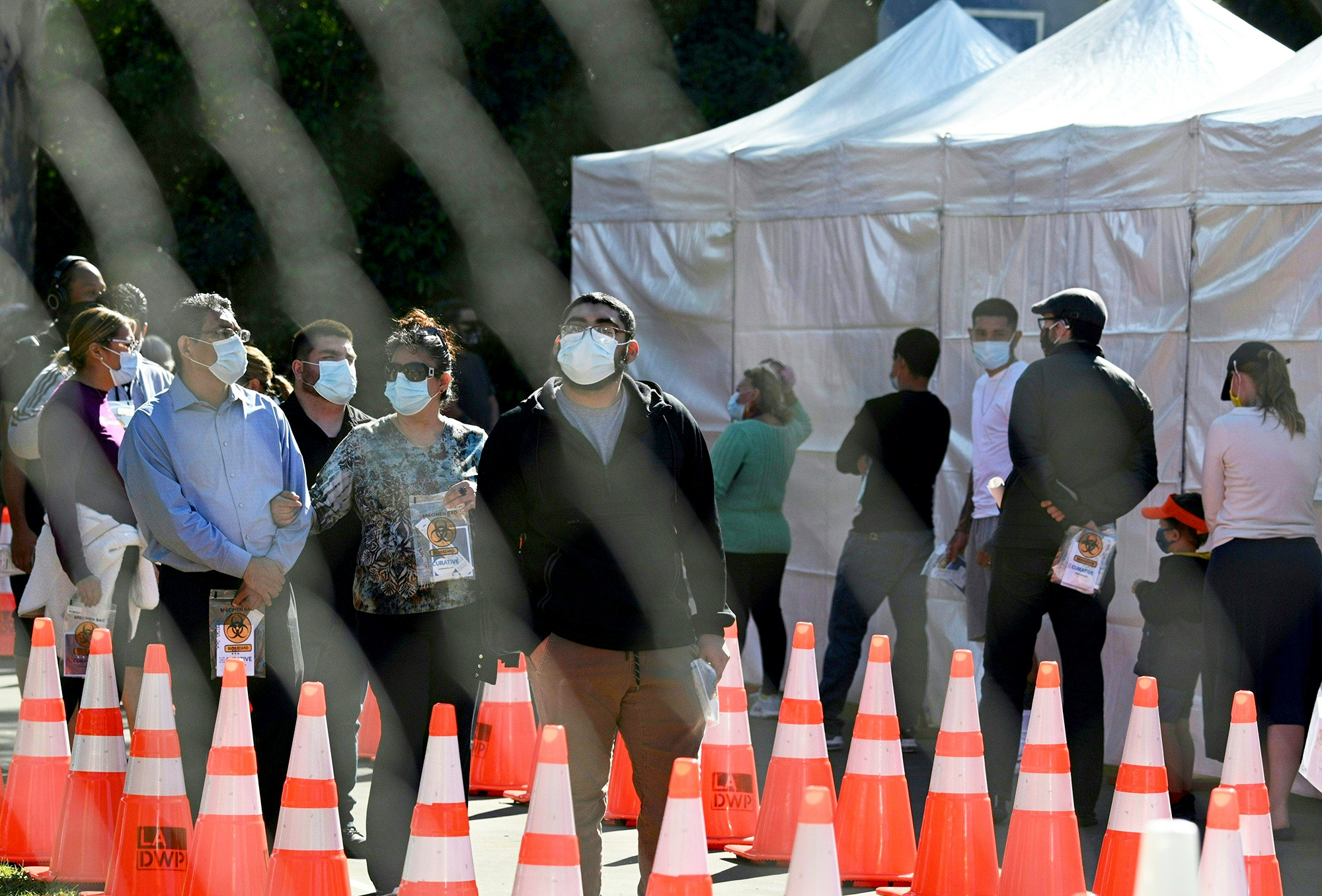
Walke said the move "may make it easier for people to take this critical public health action by reducing the economic hardship associated with a longer period, especially if they cannot work during that time."
However, Walke also said individuals should continue to monitor for symptoms for the full 14 days after being exposed to the virus "especially if quarantine is discontinued early."
People should also follow the specific guidelines outlined by local public health officials, he said.
"I want to stress that we are sharing these options with public health agencies across the country, so that they can determine how long the quarantine period should last in their jurisdictions, based on local conditions and needs," Walke said. "Everyone should follow this specific guidance from their local public health authorities about how long they should quarantine."
The announcement comes as COVID-19 cases across the country rise following the Thanksgiving holiday and the CDC continues to advise against traveling during the upcoming holiday season.
"The safest thing to do is to postpone holiday travel and stay home," said Dr. Cindy Friedman, chief of the traveler's health branch at the CDC.
"Travel volume was high over Thanksgiving, and even if only a small percentage of those travelers were asymptomatically infected this can translate into hundreds of thousands of additional infections, moving from one community to another," she said. "Travel is a door-to-door experience that can spread virus -- during the journey and also into communities that travelers visit or live."