Beyond child detentions, other surging stats reflect grim reality of border crisis
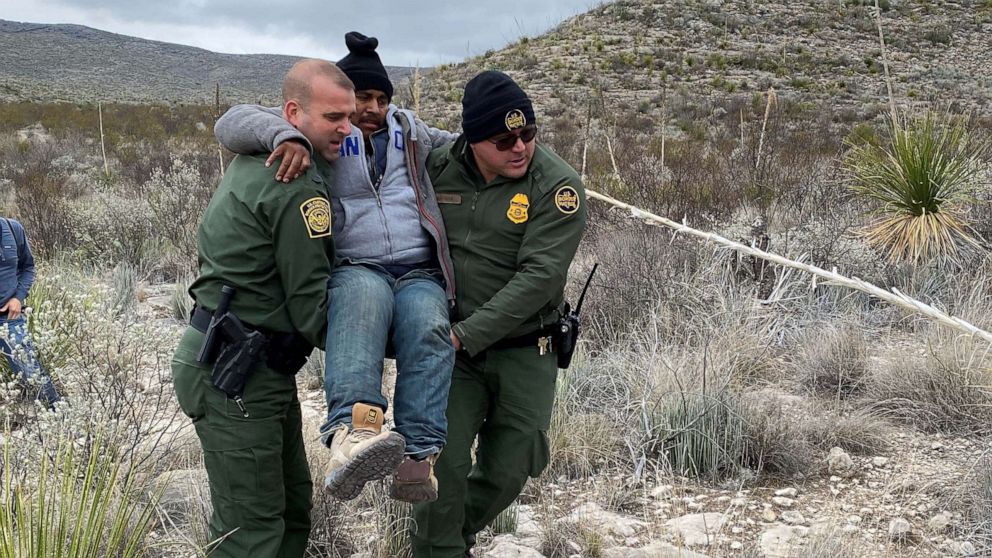
Early last year, as Border Patrol agents in Texas escorted an international news crew into what authorities say is the most remote area along the entire southwest border, someone in the group noticed a man sitting in a ravine, hidden behind brush.
Pedro Diego-Francisco, a Guatemalan migrant, had been there for three days, with no way to call for help as he suffered through temperatures that fell to 18 degrees at night. A smuggler brought him and other migrants to the desolate piece of land on their way into the United States, but the entire group abandoned Diego-Francisco after he injured his leg.
"He was wearing every piece of clothing he possessed to try and keep warm," according to a Border Patrol statement.
When agents carried Diego-Francisco to safety, they said he declared, in Spanish, "They have saved my life. God repay them. I thought I was going to die."
Stories like that are becoming more common as the U.S. braces for what Homeland Security Secretary Alejandro Mayorkas said this week would be the highest number of individuals stopped by Border Patrol along the southwest border in 20 years.
National attention recently has focused more on the record numbers of unaccompanied children detained along the southwest border, but that's only part of the increasingly grim story, as current and former law enforcement officials described it to ABC News.
"These people are desperate," Jeff Self, a recently retired Border Patrol agent, said of migrants seeking to enter the United States. "I can't say I wouldn't do the same thing if I were down in El Salvador or those Central American countries, having to deal with the corruption, the poverty and the violence."
As if that reality weren't enough to drive migrants from their homes, two devastating hurricanes ravaged parts of Central America last year, making living conditions "even worse, causing more children and families to flee," Mayorkas said.
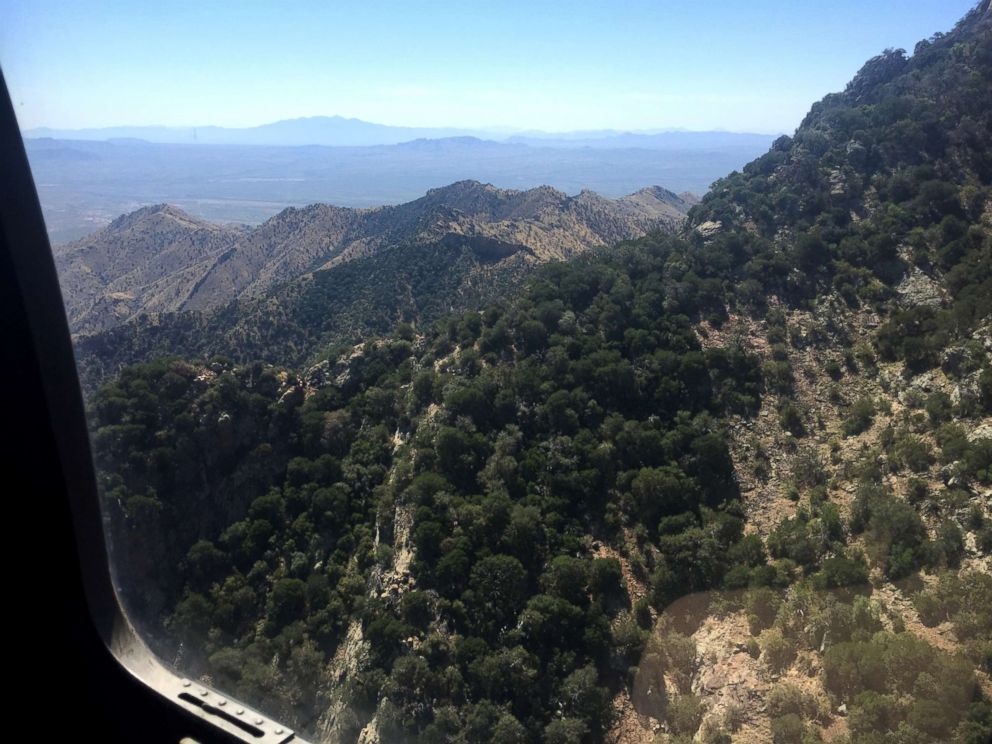
That's translating into more than just a surge in apprehensions at the border. The rate of search-and-rescue missions conducted by Border Patrol agents in Texas, Arizona, New Mexico and California has nearly doubled.
In fiscal years 2019 and 2020, the U.S. Border Patrol conducted about 5,000 such rescues each year. In just the past five months, agents have conducted nearly 4,000.
Current and former law enforcement officials say the spike underscores how callous smugglers can be but also how that risk is still worth it for so many migrants.
"Border Patrol gets painted with a broad brush as being unsympathetic, as if we don't care about why they're running from their country," said Self, who over 13 years served as a senior Border Patrol agent in Washington, Texas and Arizona. "A part of the mission every day is humanity."
On Wednesday, agents from the Border Patrol's Las Cruces, New Mexico, station rescued a man "in severe distress" after being "abandoned in the desert by human smugglers," according to a statement from the agency. The man was found in an area so "remote" and "hostile" that a Border Patrol agent had to carry him to a dirt road so an ambulance could take him to a local hospital, where he was admitted in critical condition.
"[T]his subject may have perished," El Paso Sector Chief Patrol Agent Gloria Chavez said in the statement. "Once again, the [cartels] recklessly placed another human being in harm's way after smuggling and later abandoning him in a remote desert location."
Three weeks ago, Border Patrol agents from the station in Van Horn, Texas, rescued a woman who had been "left for dead" for nearly a week in the midst of the winter storm that paralyzed much of the state's electrical grid. She was suffering from hypothermia and "severe frostbite," according to an agency statement.
Also last month, a Border Patrol agent from the Santa Teresa, New Mexico, station carried an "unresponsive" woman half a mile, in near-freezing temperatures, to his vehicle so she could be transported to a local hospital. She later tested positive for COVID-19, underscoring yet another threat facing border agents.
But many migrants seeking U.S. soil don't get rescued.
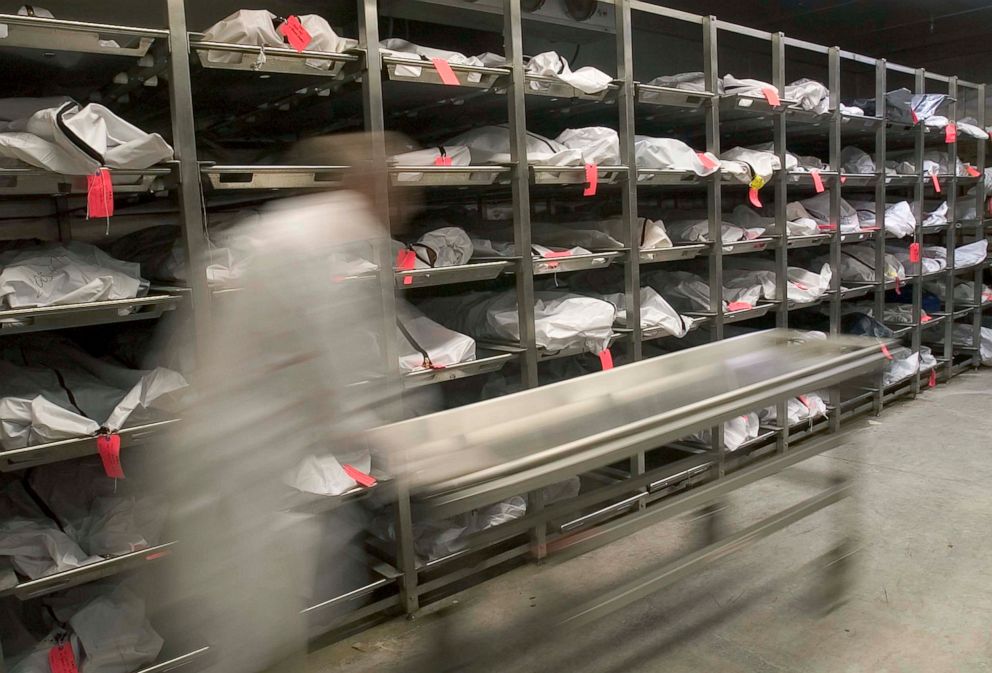
Last year, even as the COVID-19 pandemic created a major drop in the number of migrants encountered at the southwest border, there was a significant spike in the number of unidentified bodies found along the border in Arizona, according to a report in the Arizona Daily Star, citing statistics compiled by the group Humane Borders. In all, the remains of 181 migrants were found in Arizona, the most since 2013.
The Tucson, Arizona-based newspaper also reported that humanitarian groups and county officials blamed the rising deaths on years of border security policies that pushed migrants toward riskier routes.
"It's kind of like stopping water: If you block it up in one place, it's going to go somewhere else," then-Pima County Sheriff Mark Napier told the newspaper. "We're seeing the results of that as an increase in deaths."
A Customs and Border Protection spokesman said the agency had not compiled death statistics for the broader southwest border last year. But in fiscal year 2019, right before the pandemic struck, Border Patrol agents found more than 300 unidentified migrant bodies along the border, the most since 2016.
These statistics are "a somber reminder of human smugglers' cruelty and the hazards migrants face in their dangerous journey to the U.S.," CBP said in a statement last year.
Self, the former Border Patrol agent, noted that smugglers often lie to migrants about what awaits them at the U.S.-Mexico border.
Smugglers only care about "the bottom dollar," Self said. Migrants are "just like a piece of beef" to them.