Is China's Education System Keeping Up With Growing Superpower?
Nov. 16, 2010 — -- In China, the gaokao or high exam, is both a blessing and a curse for students. Doing well on the test means going to college, but just passing the test doesn't guarantee anything, despite a young lifetime of preparation.
This year, around 9.5 million high school students took the grueling, multi-day college entrance exam, competing for 6.5 million university positions. The test, a rite of passage, turns its highest scorers into instant celebrities. The interesting revelation: most of those high scorers rarely end up making history by becoming the next Bill Gates or Mark Zuckerberg.
China Daily, an English language newspaper, surveyed more than a thousand top scorers from 1977 to 2008 and found that "none of them stood out in the field of academics, business or politics."
Experts say the survey is proof that China has an innovation problem.
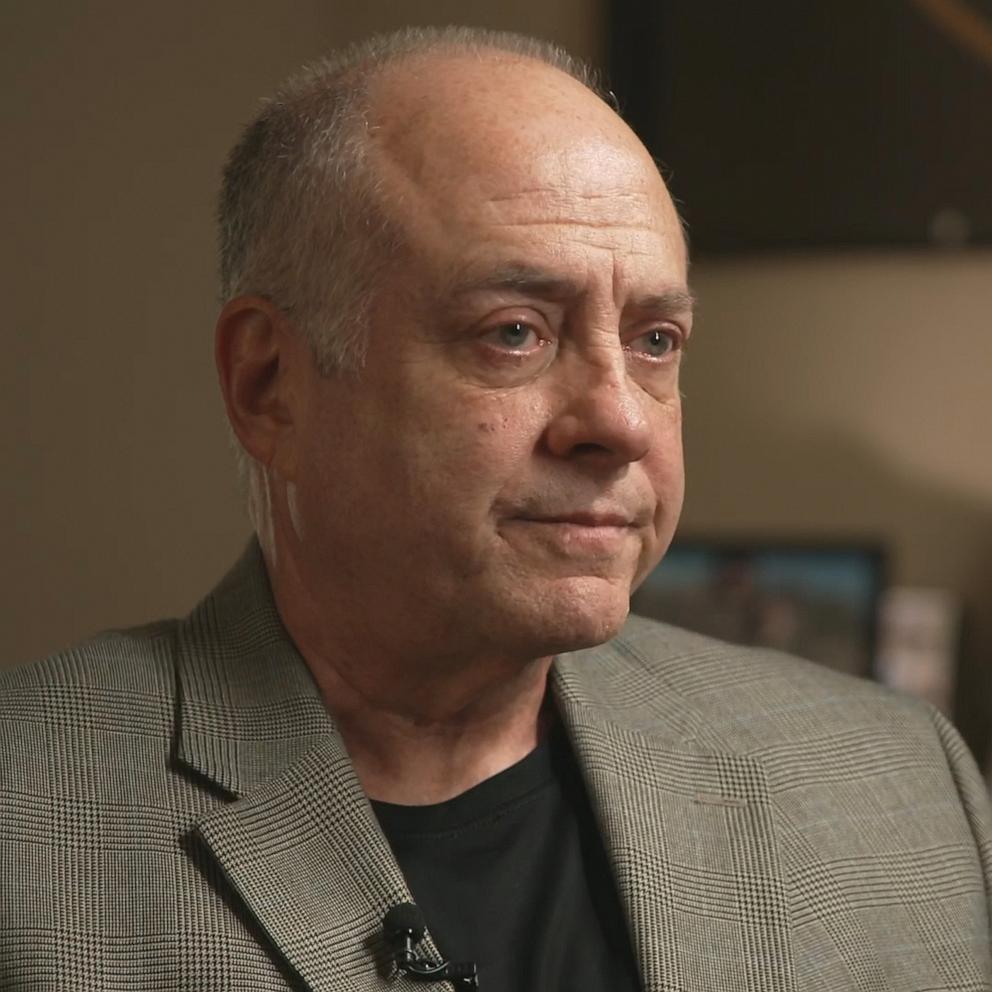
Yong Zhao, a professor at Michigan State University and an expert on China's education system, just returned from his home country of China after moderating a panel attended by both Chinese and western educators.
"It [gaokao] seems to be the only way to enable people with very limited means or power to have some sort of social mobility ... The test itself is also a curse for which as China moves to an innovation-based economy, they are looking for more creative, diverse talent and that testing has constrained schools systems to produce them. Can China truly free itself from such a long, time-honored device?"
Zhao said that Chinese educators spend their careers "dancing within the shackles of the exam," knowing that students must excel at the test to get to college, but to play a pivotal role in China's growing economy, students need much more than the test.
"Emerging countries like China have a lot of their economy geared not by education labor but by cheap manufacturing labor. Now, China must turn its population nation into a nation of human assets," Zhao said.
The economic move to become "human assets" or innovators has prompted the Chinese government to relinquish some of its control over the centralized education system. The move towards decentralization is a far cry from the tightly controlled education Zhao experienced as a student in the 1970s, shortly after the end of the Cultural Revolution.