• Video
  • Shop
  • Culture
  • Family
  • Wellness
  • Food
  • Living
  • Style
  • Travel
  • News
  • Book Club
  • Newsletter
  • Privacy Policy
  • Your US State Privacy Rights
  • Children's Online Privacy Policy
  • Interest-Based Ads
  • Terms of Use
  • Do Not Sell My Info
  • Contact Us
  • © 2026 ABC News
  • News

China's lunar probe makes history with first-ever landing on far side of the moon
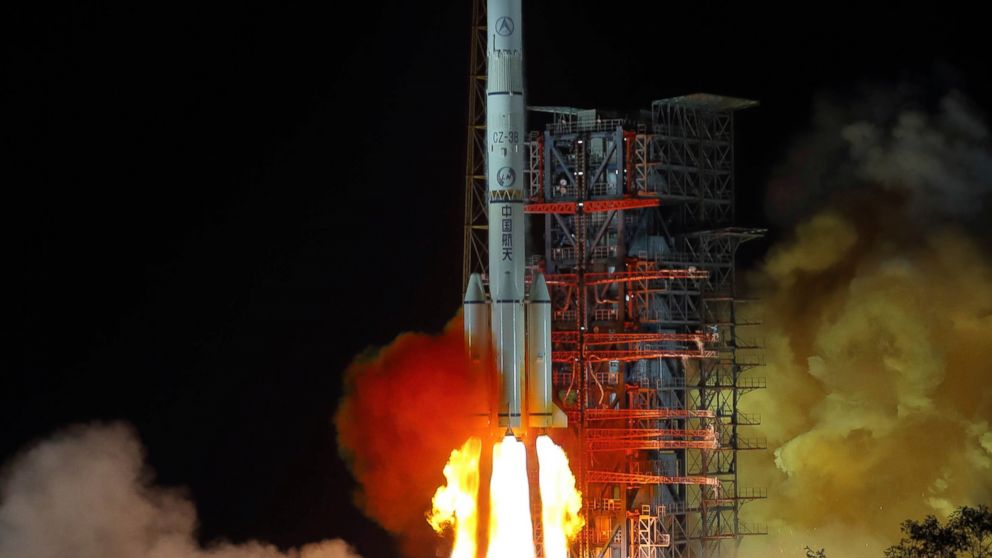
0:38
Chinese spacecraft makes first-ever landing on far side of the moon
AP
ByKarson Yiu
January 03, 2019, 8:12 AM

HONG KONG -- China’s ambitious space program made history on Thursday when its Chang’e-4 lunar probe made the first-ever landing on the far side of the moon -- the side perpetually facing away from Earth -- and sent back the first images of the previously unexplored region.

The pioneering achievement is another demonstration of China’s ambitions to be a space power. The country aims to land a crewed flight on the moon in the coming decade.

China’s CCTV confirmed the news in a brief bulletin during its noon newscast, after a morning of rumors, saying that Chang’e-4, named after a Chinese moon goddess, touched down at 10:26 a.m. Beijing time.
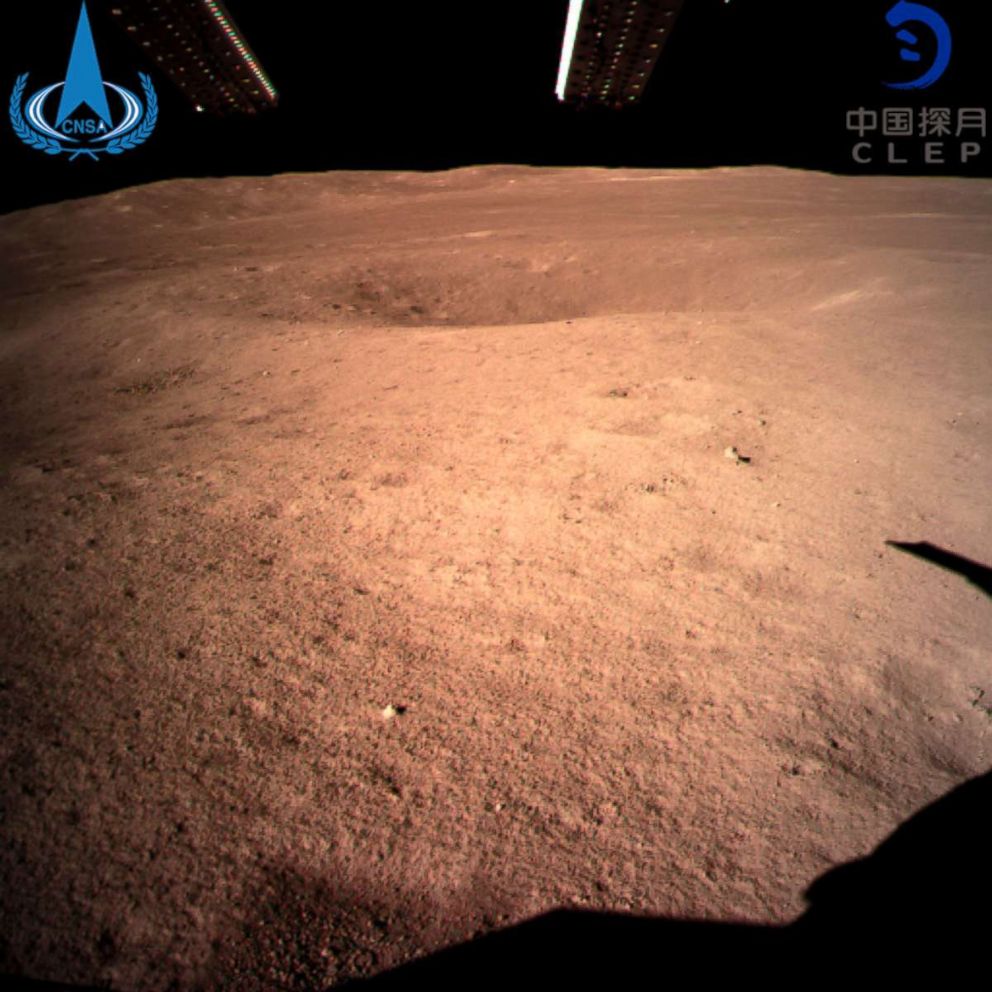
PHOTO: In this photo provided Jan. 3, 2019, by China National Space Administration via Xinhua News Agency, the first image of the moon's far side taken by China's Chang'e-4 probe.
In this photo provided Jan. 3, 2019, by China National Space Administration via Xinhua News Agency, the first image of the moon's far side taken by China's Chang'e-4 probe. A Chinese spacecraft on Thursday, Jan. 3, made the first-ever landing on the far side of the moon, state media said. The lunar explorer Chang'e 4 touched down at 10:26 a.m., China Central Television said in a brief announcement at the top of its noon news broadcast.
(China National Space Administration/Xinhua News Agency via AP)

Related Articles

(MORE: NASA spacecraft survives flyby of the most distant object ever visited)

Chang’e-4 took off from southwestern China’s Xichang Satellite Launch Center on Dec. 8 and landed in the 110-mile wide Von Kármán crater Thursday after traveling through space for 26 days.

A 300-pound rover will be launched from the landing craft to investigate the composition and structure of the terrain. The Von Kármán crater is one the oldest and deepest impact craters on the surface of the moon and scientists are expecting to find clues about the formation of the moon and possibly our solar system.

Related Articles

(MORE: President Donald Trump's new Space Force will fall under Air Force)

Chang’e-4 also brought to the lunar surface the first mini-greenhouse to test whether -- and how well -- plants like potato and thale cress and organisms like silkworms will grow on the moon.

Since the earliest days of lunar exploration, communication back to Earth was always the challenge on the far side of the moon. It was so much of an issue that it was commonly referred to as the "dark side of the moon" even though sunlight does reach it.
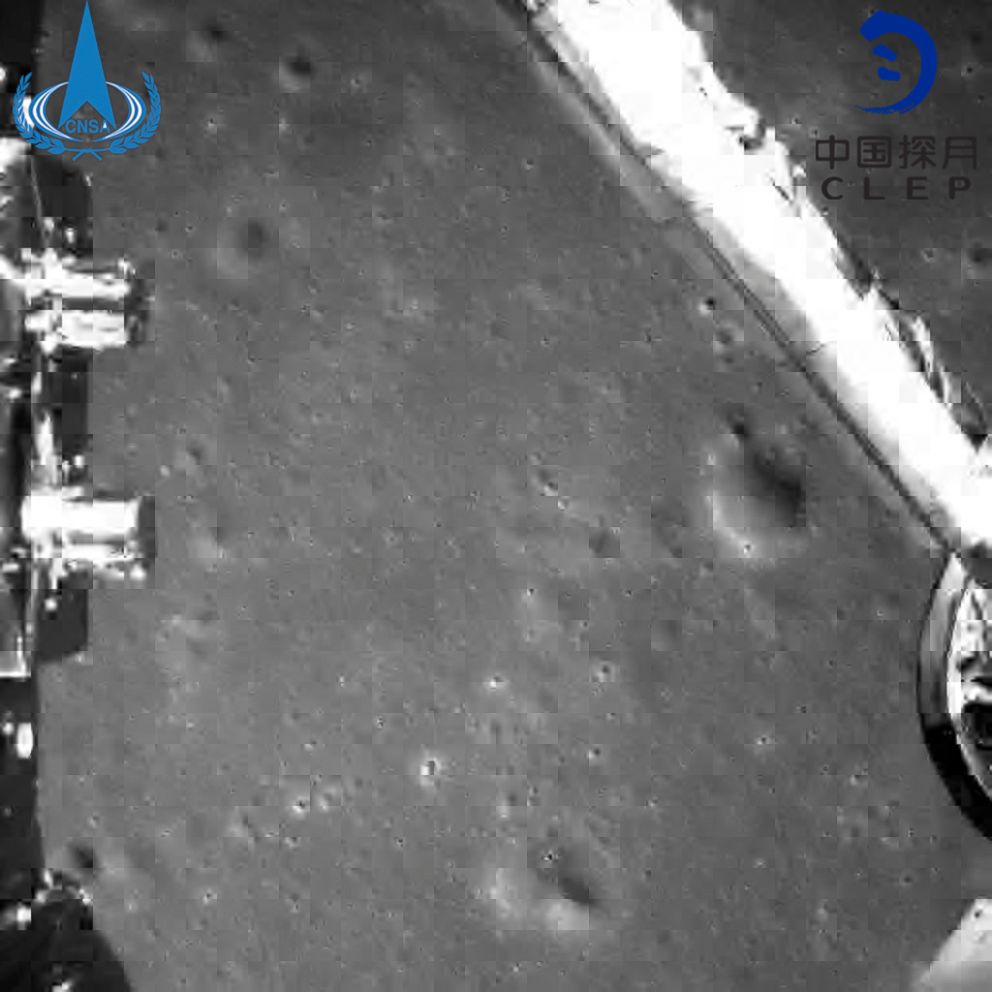
PHOTO: This photo provided on Jan. 3, 2019, by China National Space Administration via Xinhua News Agency shows an image taken by China's Chang'e-4 probe during its landing process.
This photo provided on Jan. 3, 2019, by China National Space Administration via Xinhua News Agency shows an image taken by China's Chang'e-4 probe during its landing process. A Chinese spacecraft on Thursday, Jan. 3, made the first-ever landing on the far side of the moon, state media said. The lunar explorer Chang'e 4 touched down at 10:26 a.m., China Central Television said in a brief announcement at the top of its noon news broadcast.
China National Space Administration/Xinhua News Agency via AP

Related Articles

(MORE: NASA: Icy object past Pluto looks like reddish snowman)

In preparation for the mission, China launched a relay satellite in May that allowed scientists to maintain control of the probe and land on the surface.

China’s next lunar mission, with the Chang’e-5, is expected to launch next year and bring back lunar samples for the first time since 1976.

It's been an eventful first few days of 2019 for space travel, as NASA's New Horizons spacecraft completed a flyby of Ultima Thule, the farthest object to ever be explored in our solar system, on Tuesday.


Up Next in News—

Texas education board votes to make Bible passages required reading

June 26, 2026

Microsoft joins Apple in raising prices as fans await new 'Grand Theft Auto' game

June 25, 2026

Prosecutors drop rape charge against Harvey Weinstein, avoiding 4th trial

June 25, 2026

New York Knicks fan no longer employed by former company, fined after taking Knicks-themed trash can

June 24, 2026

Shop GMA Favorites

ABC will receive a commission for purchases made through these links.

Sponsored Content by Taboola

The latest lifestyle and entertainment news and inspiration for how to live your best life - all from Good Morning America.
  • Contests
  • Terms of Use
  • Privacy Policy
  • Do Not Sell My Info
  • Children’s Online Privacy Policy
  • Advertise with us
  • Your US State Privacy Rights
  • Interest-Based Ads
  • About Nielsen Measurement
  • Press
  • Feedback
  • Shop FAQs
  • ABC News
  • ABC
  • All Videos
  • All Topics
  • Sitemap

© 2026 ABC News
  • Privacy Policy— 
  • Your US State Privacy Rights— 
  • Children's Online Privacy Policy— 
  • Interest-Based Ads— 
  • Terms of Use— 
  • Do Not Sell My Info— 
  • Contact Us— 

© 2026 ABC News