Climate change, human activity 'decimating' marine life, according to IUCN Red List of Threatened Species

Human activity is wreaking havoc on the state of the oceans around the world -- especially on marine life, according to the International Union for Conservation of Nature's updated Red List of Threatened Species.
Environmentally harmful activities such as illegal and unsustainable fishing, pollution, climate change and disease are devastating both plant and animal marine species, from mammals to corals, according to the IUCN.
More than 1,550 marine animals and plants are currently at risk of extinction, with climate chance impacting at least 41% of threatened marine species.
One of the new marine species at risk of extinction are populations of dugongs, large herbivorous marine mammals found in East Africa and New Caledonia, according to the list. There are now fewer than 250 mature individuals in East Africa and under 900 in New Caledonia, where they are considered critically endangered and endangered, respectively.
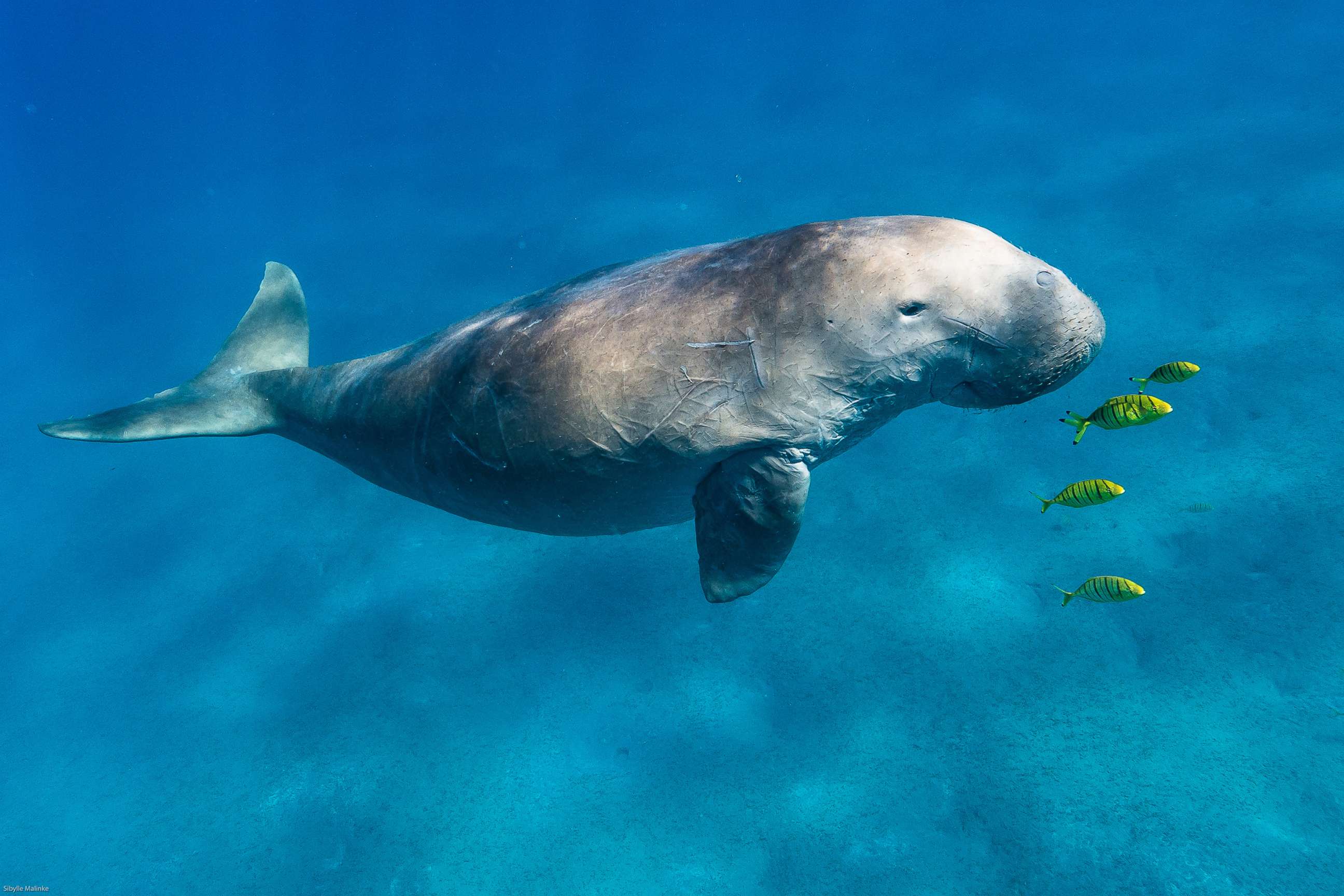
The primary threats the dugongs face are unintentional capture in fishing gear in East Africa and poaching in New Caledonia, and boat injuries in both locations. In addition, oil and gas exploration and production, bottom trawling, chemical pollution and unauthorized coastal development are damaging and destroying the seagrasses that dugongs depend on for food, especially in East Africa, the conservationists said.
The degradation and loss of seagrasses in New Caledonia is the result of agricultural runoff, pollution from nickel mining and coastal development, and damage from boat anchors. Climate change also presents a threat throughout the dugongs’ wide range.
Protecting dugong populations in the future will require strengthening community-led fisheries governance and expanding work opportunities beyond fishing in East Africa, said Evan Trotzuk, who led the East Africa Red List assessment. It will also be necessary to create additional conserved areas in areas where dugongs live, particularly around Bazaruto Archipelago National Park, Trotzuk said.
About 44% of all abalone shellfish species -- 20 of 54 -- are at risk of extinction, the Red List states. Abalone species are sold as some of the world’s most expensive seafood and are especially vulnerable to poaching and unsustainable fishing practices.
In South Africa, criminal networks, many connected with the international drug trade, have devastated populations of the perlemoen abalone by poaching, according to the IUCN.
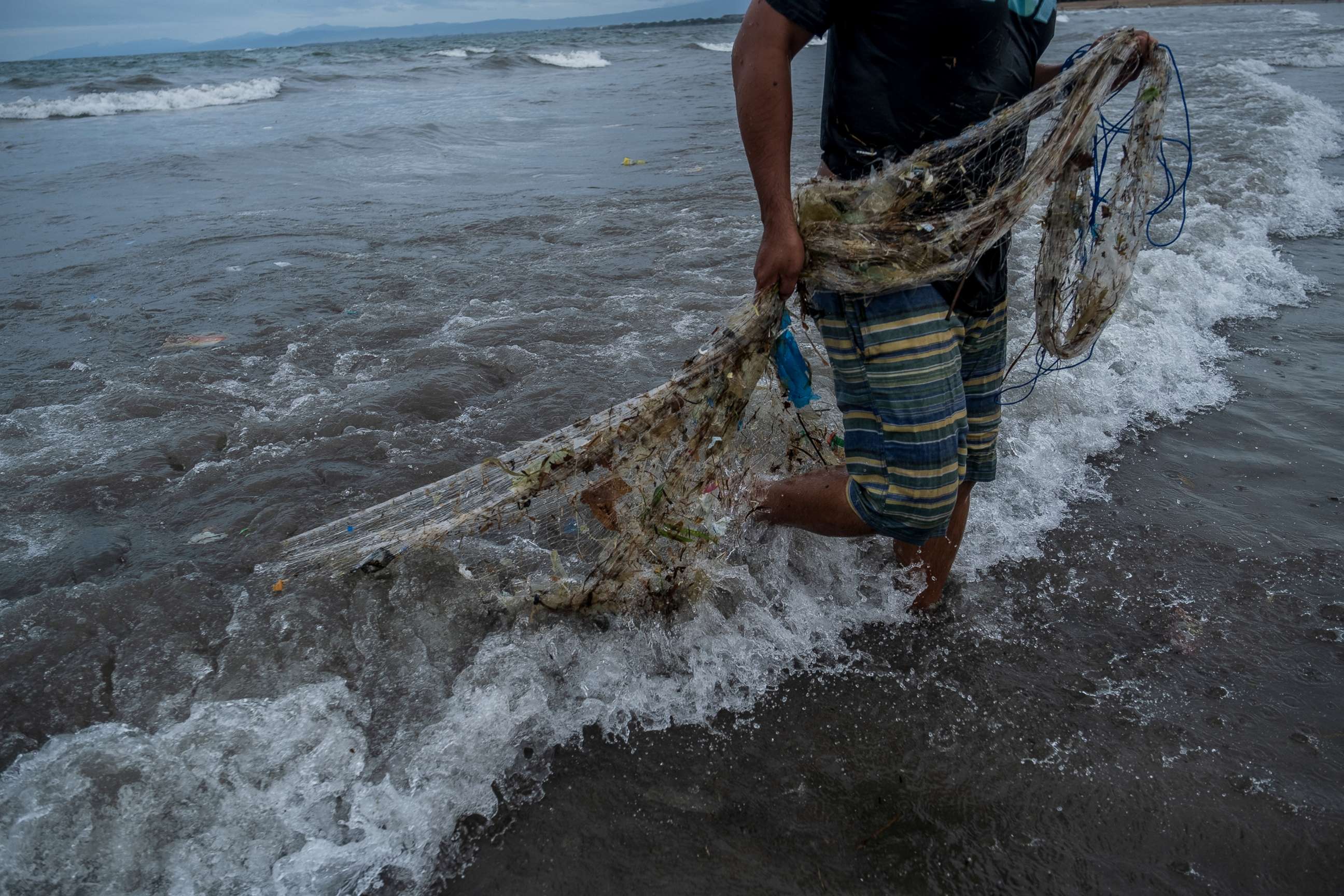
Marine heat waves, many spurred on by climate change, are also killing off the species, animal conservationists said. About 99% of Roe’s abalones, located in the most northerly regions of western Australia, have died as a result of mass mortalities from the severe heat waves.
The heat waves are also exacerbating disease, affecting the critically endangered black abalone in California and Mexico and the vulnerable green ormer -- another abolone species -- found from the English Channel to Northwest Africa and the Mediterranean.
In addition, the marine heat waves also kill off the algae the abalones rely on for food, further increasing the pressures the species face. Harmful algae blooming from agricultural and industrial runoff have eliminated the endangered Omani abalone, a commercial species found in the Arabian Peninsula, across half of its range.
Even toxic boat paint is further depleting abalone populations, according to the IUCN.
The most immediate action people can take is to eat only farmed or sustainably sourced abalones, Howard Peters, member of the IUCN SSC Mollusk Specialist Group and research associate at the University of York, said in a statement.
"Enforcing fishery quotas and anti-poaching measures is also critical. However, we need to halt the changes to ocean chemistry and temperature to preserve marine life including abalone species over the long term," Peters said.

The status of the pillar coral, found throughout the Caribbean and as far north as Florida, has also deteriorated to critically endangered due to accumulated pressures, according to the list.
The pillar coral's population has shrunk a whopping 80% since 1990 and its biggest threat is stony coral tissue loss disease, a highly contagious disease that emerged about four years ago and infects between 90 and 100 meters of reef per day, according to the IUCN.
The corals have become more susceptible to disease as a result of bleaching caused by increased sea surface temperatures and excess antibiotics, fertilizers and sewage running into the sea, the conservationists said. In addition, overfishing around coral reefs has depleted the number of grazing fish, allowing algae to dominate and putting further pressure on corals.
Of the 150,388 species on the IUCN Red List, 42,108 are now threatened with extinction, according to the updated Red List.
Now is an important time to address these concerning statistics as COP15, the United Nation's Convention on Biological Diversity, kicks off in Montreal on Friday, IUCN director general Bruno Oberle said in a statement.
"Today’s IUCN Red List update reveals a perfect storm of unsustainable human activity decimating marine life around the globe," Oberle said. "We urgently need to address the linked climate and biodiversity crises, with profound changes to our economic systems, or we risk losing the crucial benefits the oceans provide us with."