Climate change will make it hard to predict the amount of snow and water that will be available in the future: Study
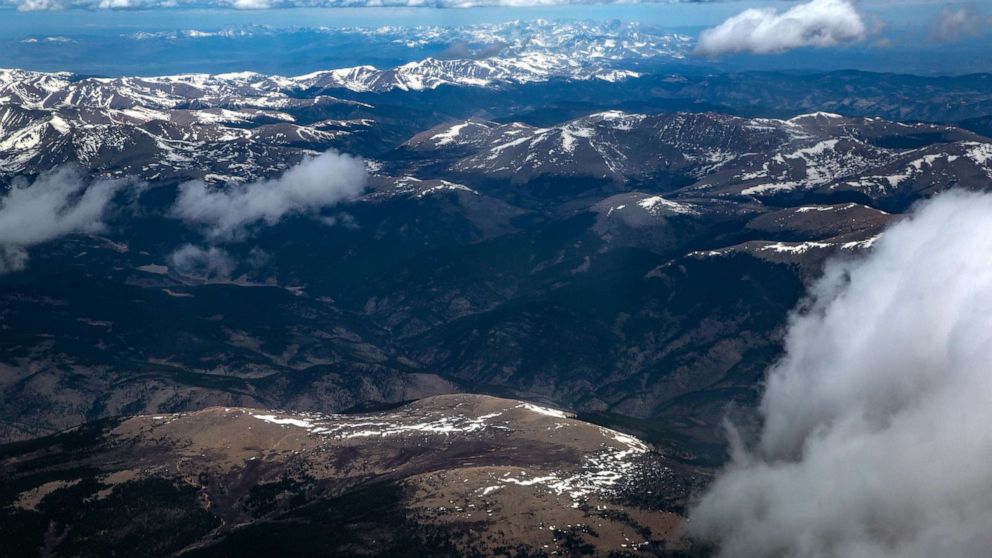
Officials in charge of managing one of the most precious commodities for human survival may soon face additional challenges as climate change affects the amount of snow that later becomes water available for consumption, scientists say.
Climate change is expected to affect the hydrological and ecological states of snow-dominated ecosystems, but "the precise impact is unclear," according to a study published in the Proceedings of the National Academy of Sciences of the United States of America on Monday.
Snow acts as a "bank account" for water reservoirs and stores up the resources over the winter, Will Wieder, a scientist at the National Center for Atmospheric Research and author of the study, told ABC News. In the past, snow has been one of the best predictors of water availability, especially in places like the western U.S., where about two-thirds of the water in streams come from snowmelt, and about 80% of the precipitation comes as snow, Wieder added.
"It kind of smoothes out that stochastic nature of precipitation where, you might have a storm or you might not, but if you average that out over six months, by the end of winter, you have a fairly predictable, fairly consistent amount of snow that then you get to use for all of the whole summer," Wieder said.
Snowpack reduction, early snowmelt, lengthened growing seasons, increasingly dry soils and increased fire risk over the 21st century are expected under a high carbon-emissions scenario, the researchers found. This will be as a result of longer, hotter and drier summers combined with earlier snowmelt and longer snow-free seasons, Wieder said.
Using an ensemble of climate model simulations to predict changes in the state and variability of conditions in historically snow-dominated regions of the Northern Hemisphere, scientists found that, for example, models for a portion of land in the northern Rocky Mountains predicted an additional 82 snow-free days per year by the end of the century, according to the study.
"It's sobering and surprising to see how much snowpack is predicted to be reduced by the end of this century and how much earlier spring snowmelt happens," Wieder said.
The increased variability in winter snowmelt is expected to reduce the role of snowpack as a water storage buffer and diminishes the predictability of annual runoff, according to the study. It also leads to other unintended ecosystem impacts associated with earlier melt, including challenges for both vegetation and wildlife. For example, the temperature stress could affect fish in those freshwater ecosystems fed by snowmelt, Wieder said.
The impacts are widespread, with peak snowpack in the Northern Hemisphere predicted to decline by over 50% by the end of the century, Wieder said.
The results suggest that the effects of climate change may be pervasive and will affect efforts to manage water resources, the researchers said.

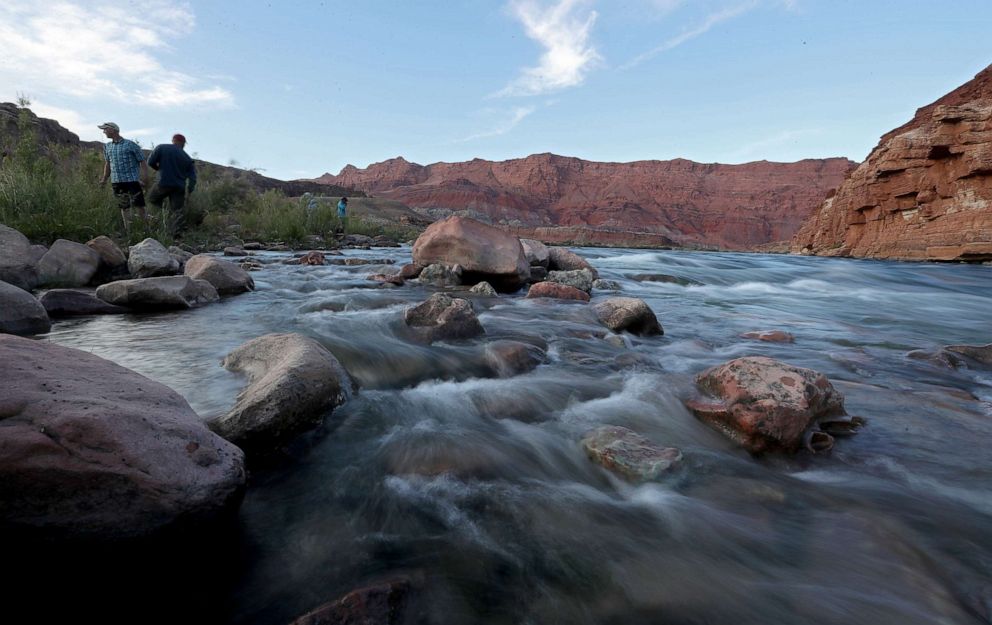
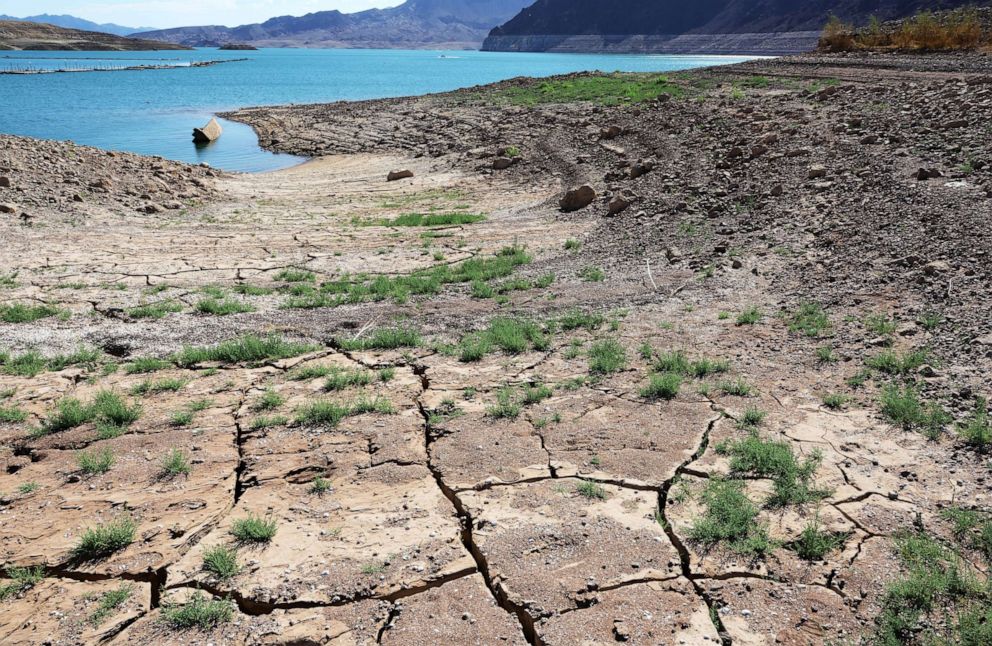
This could mean disaster for regions in the West that depend on snowpack to feed the reservoirs. For example, Lake Mead in Nevada and Lake Powell in Arizona, the country's largest reservoirs, rely on the Colorado River for their water supplies.
Lake Mead and Lake Powell have been measuring at their lowest water levels in history, and the Colorado River, which largely depends on the melting snowpack from the Rocky Mountains, has lost 20% of its water levels over the past two decades.