• Video
  • Shop
  • Culture
  • Family
  • Wellness
  • Food
  • Living
  • Style
  • Travel
  • News
  • Book Club
  • Newsletter
  • Privacy Policy
  • Your US State Privacy Rights
  • Children's Online Privacy Policy
  • Interest-Based Ads
  • Terms of Use
  • Do Not Sell My Info
  • Contact Us
  • © 2026 ABC News
  • News

Climate change can cause plant pathogens to infect crops at higher rates, scientists say
1:30
Why climate change threatens public health
Karl Plume/Reuters
ByJulia Jacobo
August 05, 2021, 3:01 PM

The availability of food and how crops will fare as a result of climate change has long been of interest to environmental researchers, but scientists are now finding other threats to food supplies that can severely impact global food security.

Climate change may pose an increased risk for crops to become infected with pests and pathogens, leaving the yields inedible and risking quantities of the world's food supply, according to a study published Thursday in Nature Climate Change.
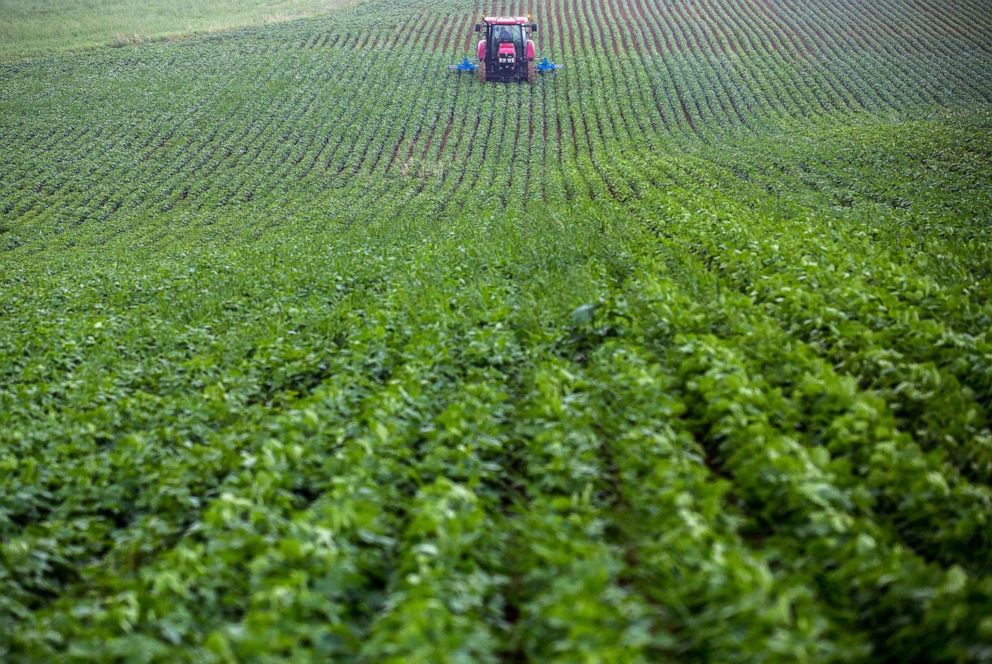
In this July 12, 2021, file photo, a farmer drives a tractor across a soy field in Peguilhan, France.
Fred Scheiber/AFP via Getty Images

Researchers at the University of Exeter in England studied models for the production of four major commodity crops -- maize, wheat, soybean and rice -- as well as eight temperate and tropical crops, to predict how the crops would respond to future climate scenarios.

Related Articles

MORE: Sustainable crop, timber production can reduce extinction of species by 40%: Study

The researchers found that, overall, the yield of the crops will increase at high latitudes, such as North America and parts of Europe and Asia. However, the findings also suggest that risk of infection from 80 fungal and oomycete, or fungal-like, pathogens will increase at high latitudes as temperatures increase, according to the paper.
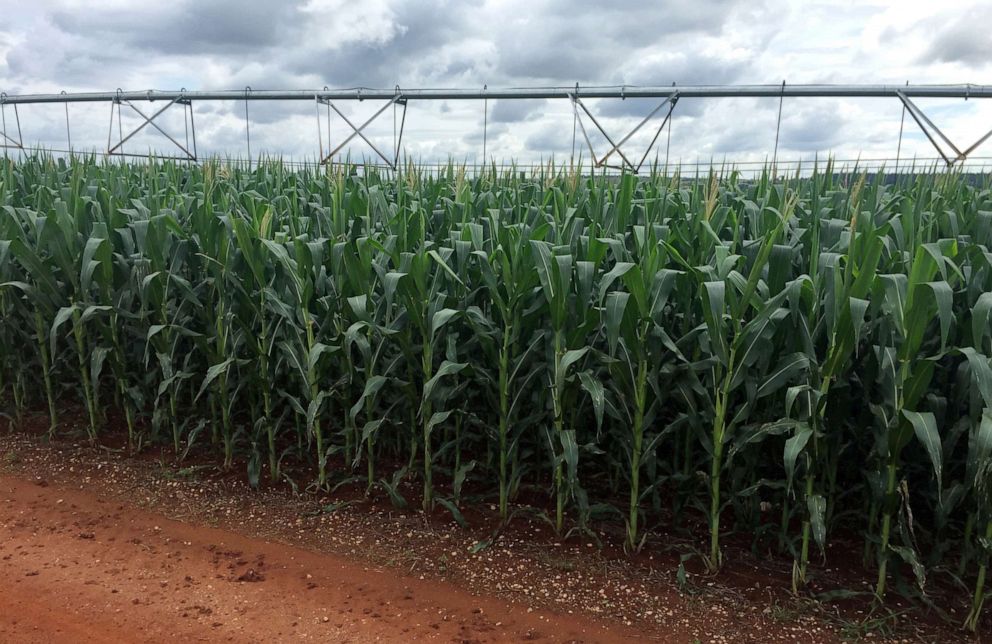
In this April 1, 2018, file photo, a corn crop is seen at Cercado Grande farm, in Brazil.
Marcelo Teixeira/Reuters, FILE

As global temperatures warm, pest outbreaks are common, and pathogens can more easily attack crops, scientists said. Temperature is a "major determinant" of disease risk, and global distribution of plant pathogens have already shifted with the current warming, according to the study.

Related Articles

MORE: Sustainable crop, timber production can reduce extinction of species by 40%: Study

Climate change will not only affect the number of pathogens able to infect crops, but the composition of how the pathogens are assembled as well, the scientists said.
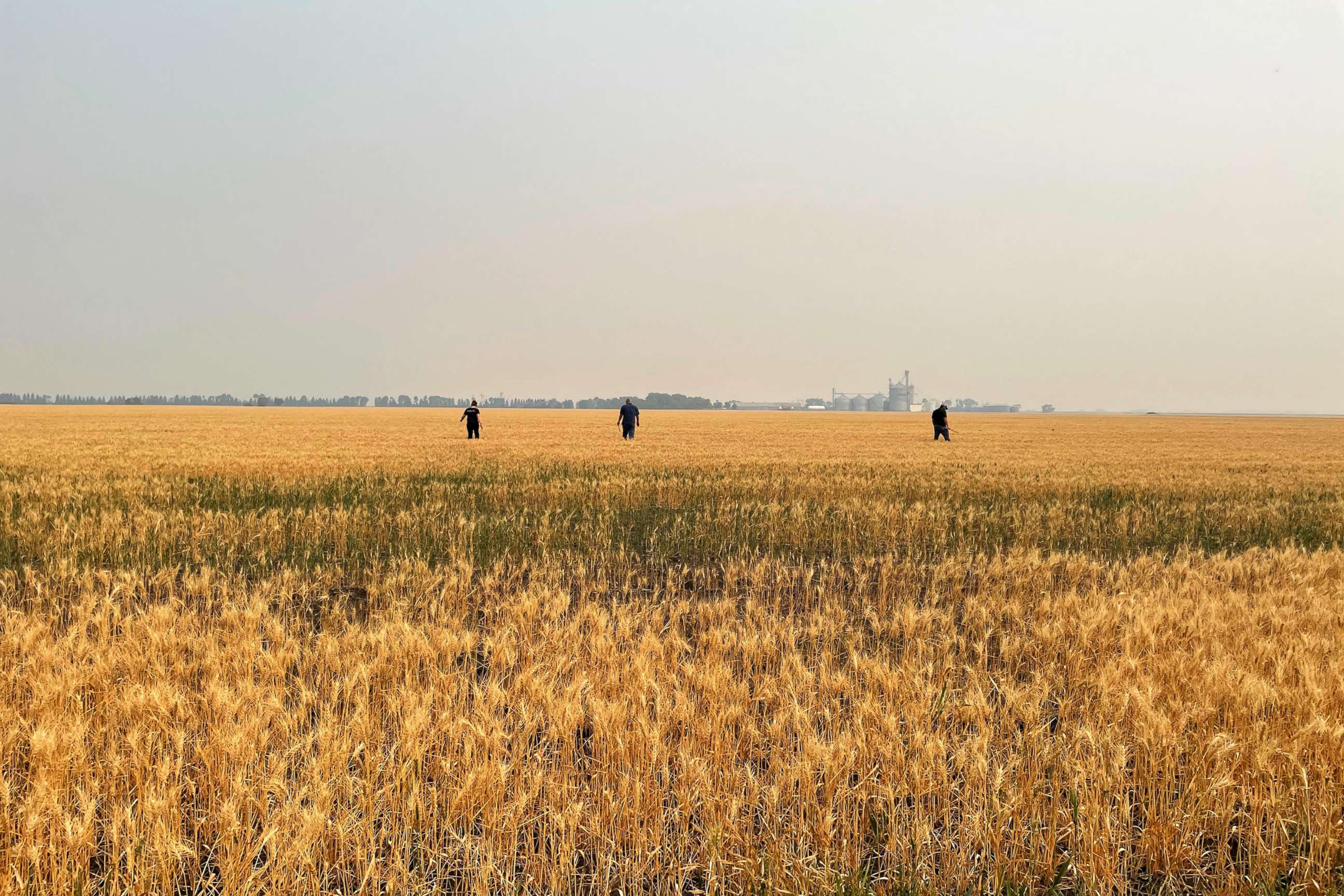
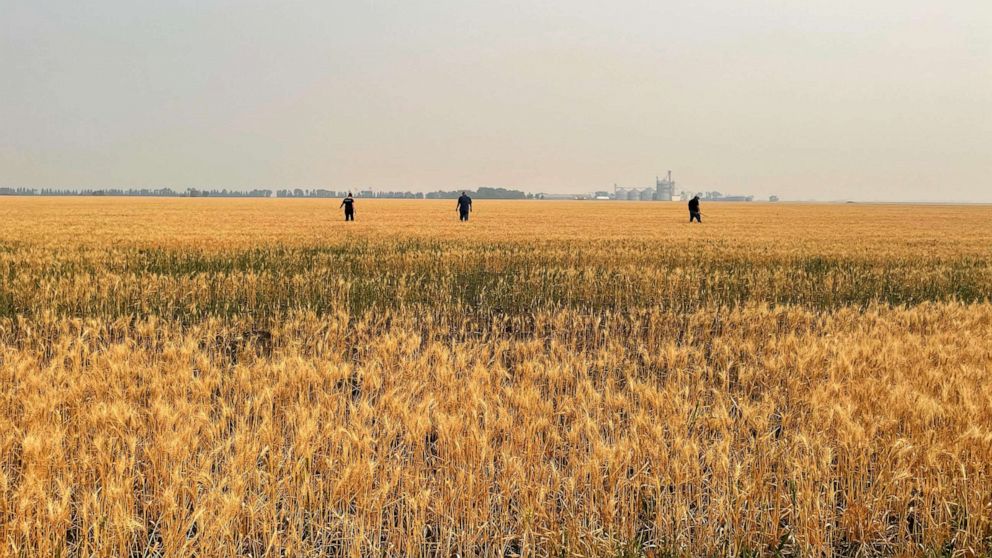
Crop scouts survey drought-stressed spring wheat near Grandin, N.D., July 29, 2021.
Karl Plume/Reuters

The higher temperatures also pose the possibility of major shifts in species composition within pathogen communities in some regions, such as the United States, Europe and China.

Related Articles

MORE: How corn farmers are adapting to climate change

Food scarcity is a "continuous concern" as global populations expand, the amount of arable land decreases and the threat of climate change increases.

The researchers concluded that plant pathogens represent a "major threat" to crop production and food security, which reinforces the need for "careful crop management."


Up Next in News—

Family seeks answers after influencer Ashlee Jenae is found dead on vacation in Tanzania

April 14, 2026

Couple shares warning after nearly losing down payment in mortgage fraud

April 10, 2026

Student speaks out after train clips school bus in incident caught on camera

April 8, 2026

IRS warns of AI tax collection scams ahead of Tax Day

April 8, 2026

Shop GMA Favorites

ABC will receive a commission for purchases made through these links.

Sponsored Content by Taboola

The latest lifestyle and entertainment news and inspiration for how to live your best life - all from Good Morning America.
  • Contests
  • Terms of Use
  • Privacy Policy
  • Do Not Sell My Info
  • Children’s Online Privacy Policy
  • Advertise with us
  • Your US State Privacy Rights
  • Interest-Based Ads
  • About Nielsen Measurement
  • Press
  • Feedback
  • Shop FAQs
  • ABC News
  • ABC
  • All Videos
  • All Topics
  • Sitemap

© 2026 ABC News
  • Privacy Policy— 
  • Your US State Privacy Rights— 
  • Children's Online Privacy Policy— 
  • Interest-Based Ads— 
  • Terms of Use— 
  • Do Not Sell My Info— 
  • Contact Us— 

© 2026 ABC News