Climate change results in rare hybrid bird between green jay and blue jay: Study
Scientists are continuing to find ways in which climate change is impacting animal species and ecosystems.
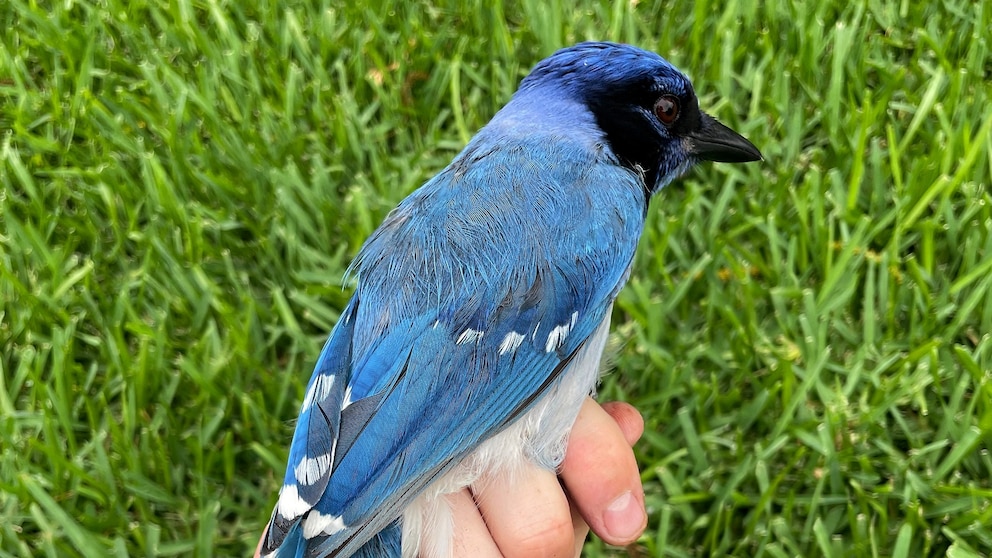
Warming temperatures have prompted a rare hybridization of a blue jay and green jay, according to researchers at the University of Texas who studied the striking bird's genealogy.
A resident in the suburbs of San Antonio first noticed the bird in 2023 before posting an image of it to a few bird-focused groups on Facebook, Brian R. Stokes, a PhD candidate at the University of Texas's Department of Integrative Biology and lead author of the paper, published in the journal Ecology and Evolution, told ABC News.
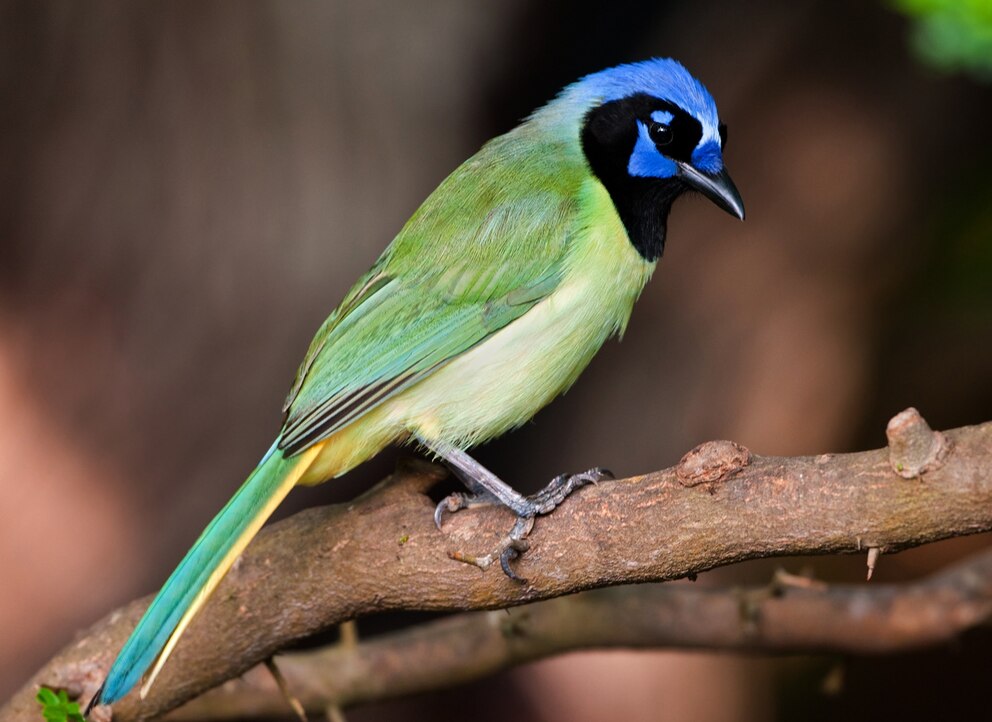
Although the photo was grainy, Stokes noticed that it had "interesting" neck and facial markings -- a heavy black patterning -- similar to those of a green jay, despite the bird being blue in color, Stokes said.
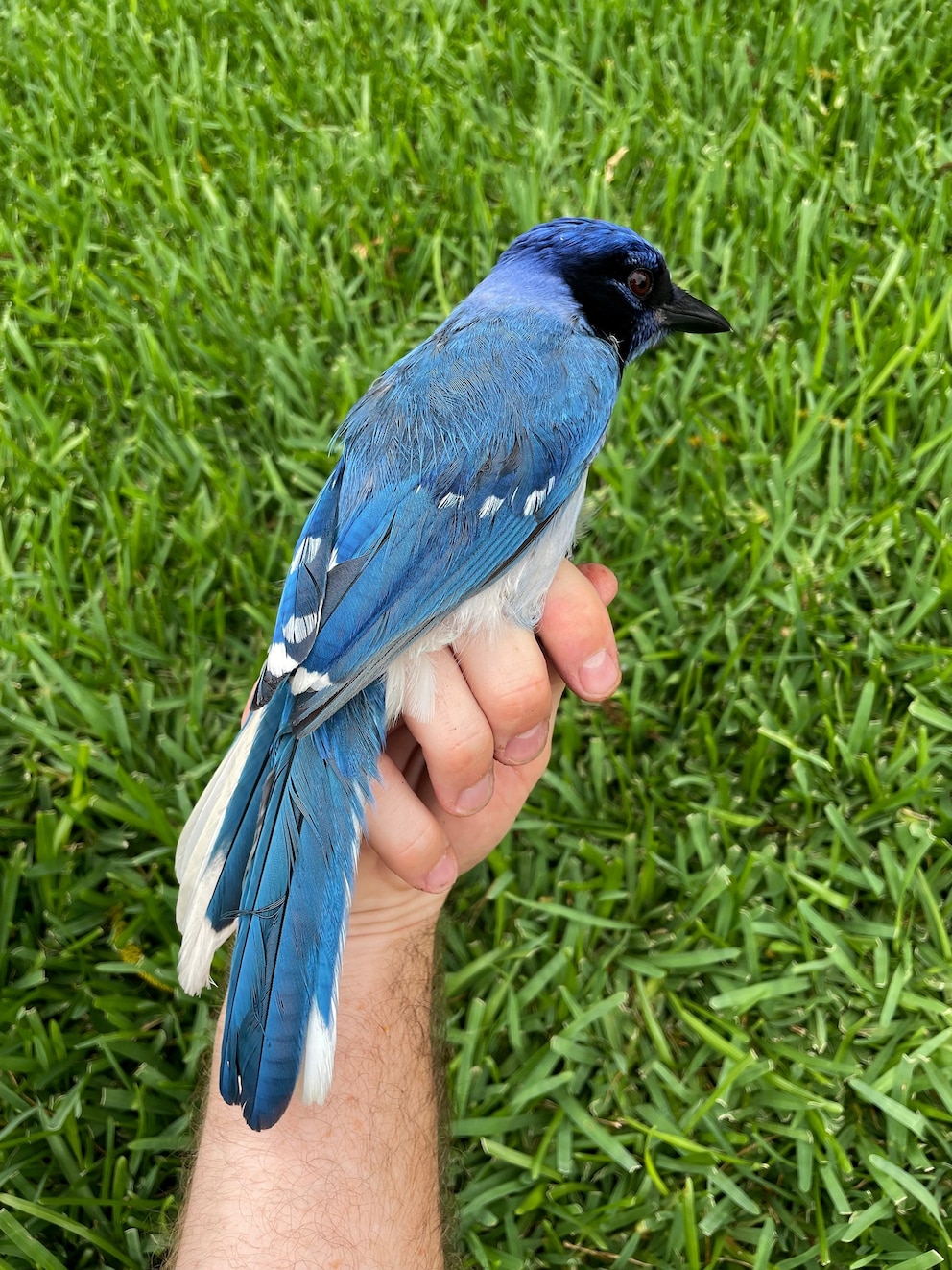
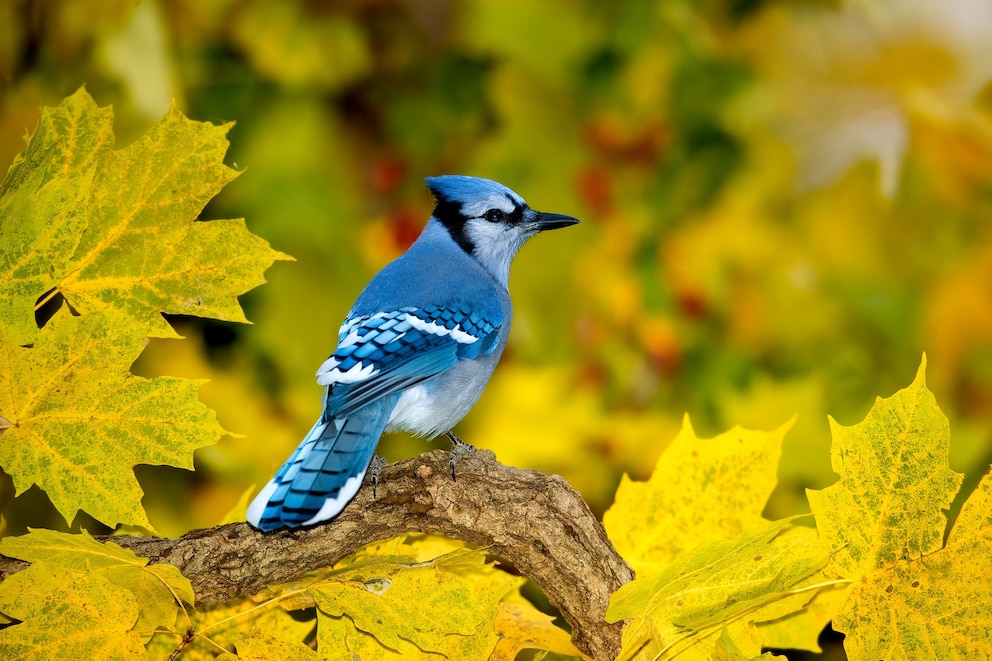
"The rest of the body looked really similar to either a blue jay or another species of jay in Texas called the woodhouse scrub jay," Stokes said. "And so I was kind of curious what was going on with it."
Once researchers got in contact with the homeowner, they were able to catch the bird and take blood samples for genetic work. Before Stokes saw the bird in person, he thought it could be an "odd" genetic mutation of a blue jay.
But once the genome sequencing was complete, it was clear that the bird's parents were from two different species.
Genome sequencing includes both nuclear DNA -- the large, linear DNA in the cell's nucleus -- and the mitochondrial DNA, the smaller, circular DNA in the mitochondria, which is almost exclusively inherited from the mother.
When comparing the genome sequencing to other individuals within the two species, the researchers determined that the nuclear DNA was about a 50/50 split of the blue and green jay -- with the green jay as the likely mother, Stokes said.
Climate change likely played a significant role in the hybridization, as warming temperatures allowed both species to expand their range, Stokes said.
Green jays used to be found close to the Texas-Mexico border and have experienced up to a 200-mile northward expansion.
"They've changed where they are geographically, but the birds at the northern edge of their range are living in really similar climates to lived in 40, 50 years ago" when the species lived further south, Stokes said.
Blue jays have also expanded their range due to climate, but some of the westward movement has been attributed to land use, with urbanization and development forcing them from their original habitat, Stokes added. Several decades ago, it would not have been common to see blue jays west of Houston, Stokes said.
While the hybridization of animal species due to climate change is not unique, the fact that both species have experienced changes in range is, Stokes said. For example, in the case of "grolar bears" -- a hybridization of polar and grizzly bears -- the hypothesis is that polar bears are moving to land in search for food as sea ice disappears from the Arctic.
The differences seen in the hybrid jay were likely not noticeable to casual observers. But ornithologists and hobby birders alike were thrilled with the notion of a cross species, Stokes said.
"We were really caught off guard that, in some way, mating could occur," Stokes said. "That was really surprising to us."
The hybrid jay -- a male likely about 4 years old -- is still alive, with continued spottings outside of San Antonio, Stokes said. While there were likely about four eggs in its clutch, or the group of eggs that were laid at the same time, there is no evidence to support any other existing hybrid jays of the same genealogy.
However, there is a possibility that more hybrid jays could exist in the future, Stokes said.
"There have been really interesting bird sightings in places like Texas," he said.