• Video
  • Shop
  • Culture
  • Family
  • Wellness
  • Food
  • Living
  • Style
  • Travel
  • News
  • Book Club
  • Newsletter
  • Privacy Policy
  • Your US State Privacy Rights
  • Children's Online Privacy Policy
  • Interest-Based Ads
  • Terms of Use
  • Do Not Sell My Info
  • Contact Us
  • © 2026 ABC News
  • News

Climate change slows weakening of North Atlantic hurricanes once they make landfall
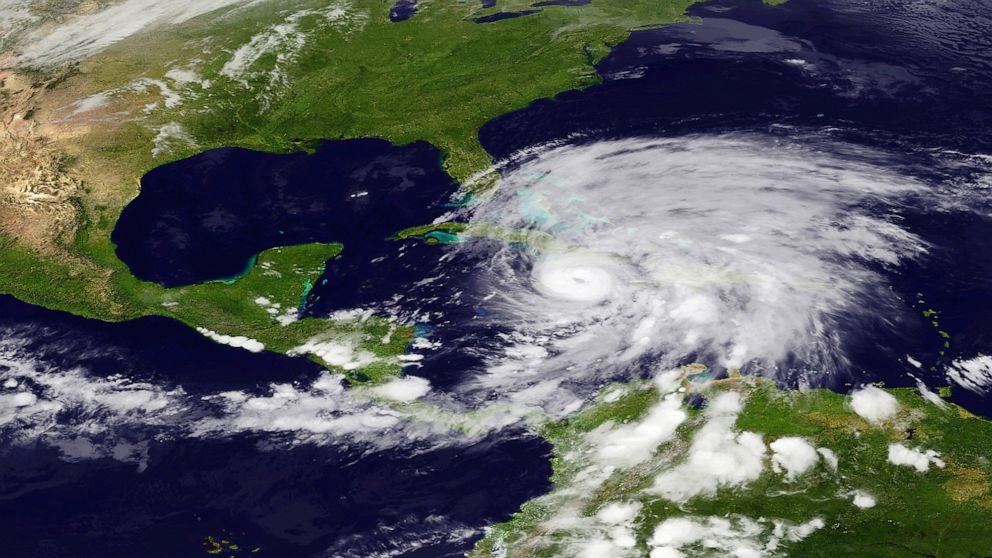
1:36
How hurricanes form, explained by Ginger Zee
Getty Images, FILE
ByJulia Jacobo
November 11, 2020, 4:00 PM

Climate change is slowing the weakening of hurricanes after they make landfall from the North Atlantic, which could result in more destruction for areas further inland, according to a new study.

Hurricane storm systems, which derive their power from the moisture in open seas, typically "decay rapidly" once hitting land, and the damage is largely confined to coastal areas, according to the study, published in Nature on Wednesday.
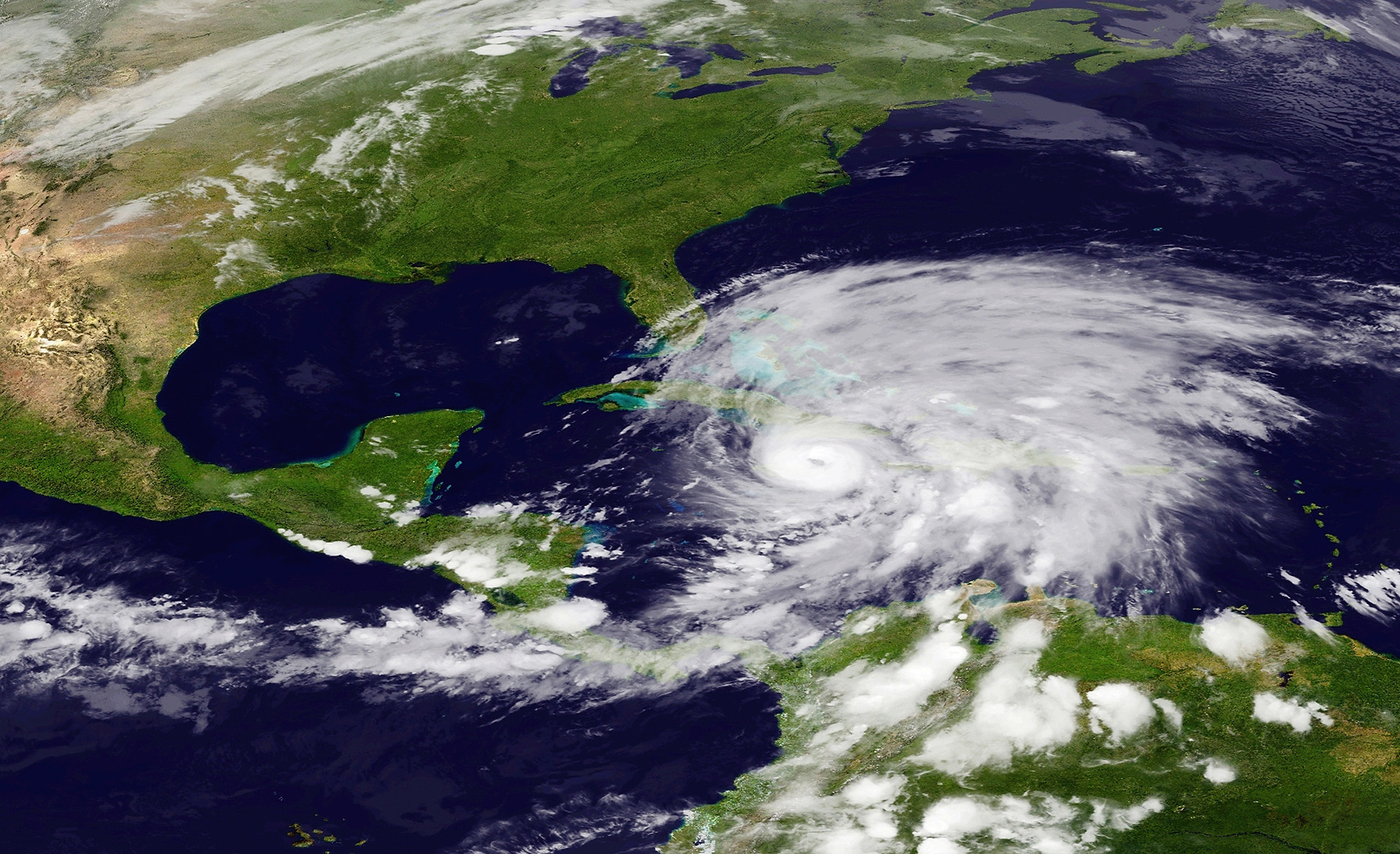
Hurricane Sandy strengthened with winds up to 85 mph as it moves towards Cuba on October 24, 2012 in the Atlantic Ocean.
Getty Images, FILE

When a hurricane first makes landfall, the center of the storm is over land, but about half of the system is still over the ocean, which allows the moisture supply to persist until the storm is completely over land, typically about 3.5 hours later.

Related Articles

MORE: How the 2020 hurricane season just set a new record

However, the study's findings suggest that warmer seas are allowing storm systems to hold more moisture, even after they make landfall, slowing the rate at which they dissipate.

"The maximum intensity the hurricane can achieve over its lifestyle" is expected to increase as the world warms and storm systems collect more moisture, according to the scientists.
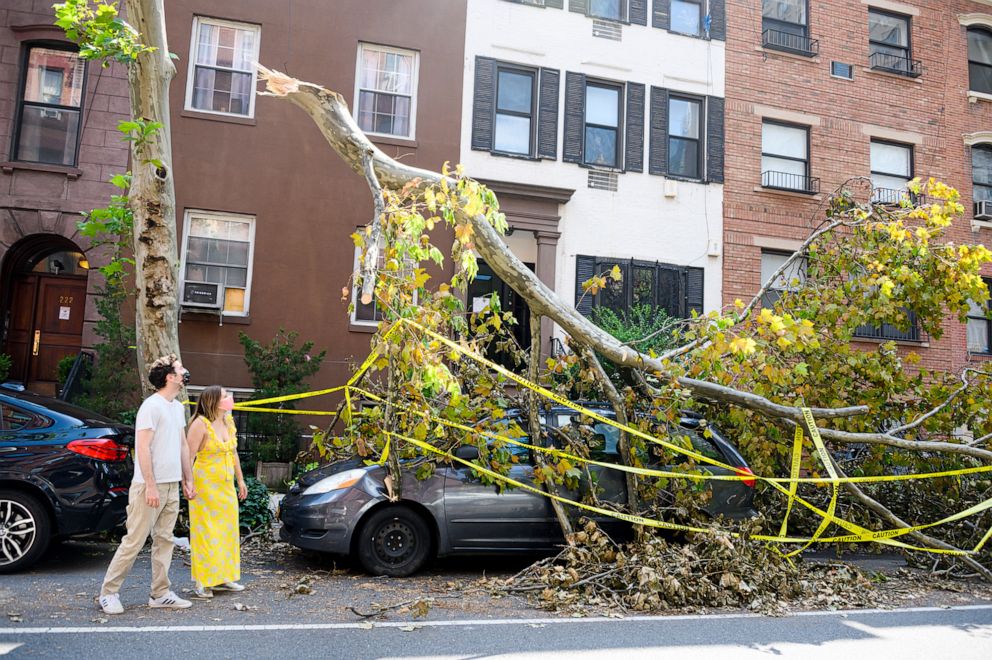
People wear face masks near a fallen tree in Kips Bay as a result of Tropical Storm Isaias in New York, Aug. 8, 2020.
Noam Galai/Getty Images, FILE

The researchers analyzed data from hurricanes that made landfall in the North Atlantic from 1967 to 2018 and found the extent of hurricane decay has declined in correlation with a rise in sea temperatures.

Related Articles

MORE: Why slow-moving storms are especially dangerous

According to the data, storms that made landfall in 1960 likely would decay by 75% within a day of hitting land, while hurricanes today only weaken by about 50% within a day of landfall.
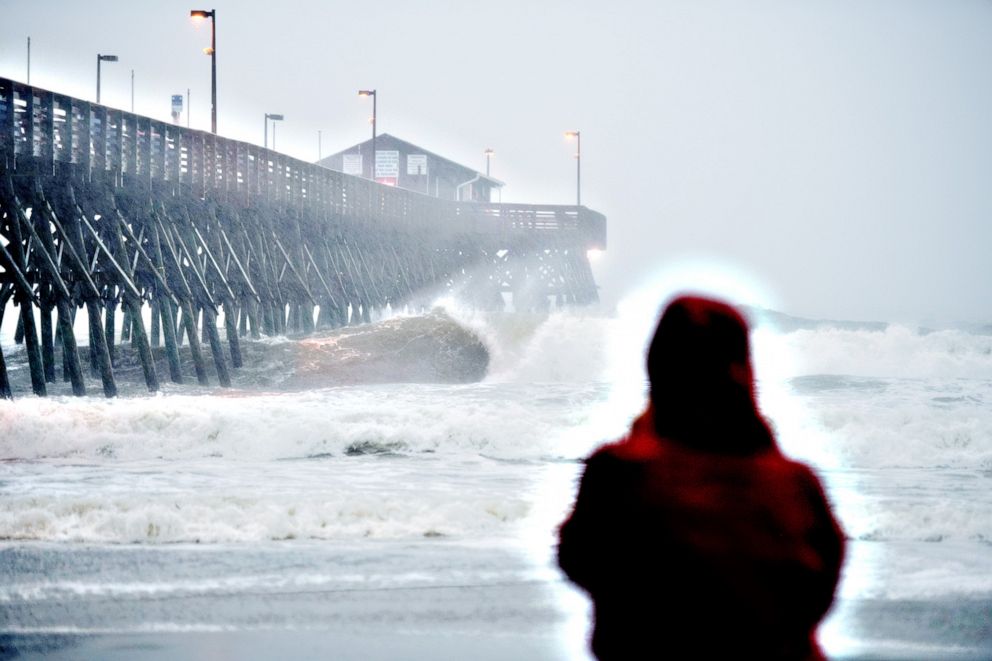
A person watches waves crashing against the Pier at Garden City, S.C., Aug. 3, 2020.
Sean Rayford/Getty Images, FILE

The timescale of decay after hitting land has also nearly doubled over the past half century, from 17 hours to 33 hours.

Related Articles

MORE: Hurricane Andrew 25 years later: The monster storm that devastated South Miami

More inland areas typically less prepared for such storms could find themselves at greater risk, the authors noted.


Up Next in News—

Gas station clerk speaks out after foiling alleged kidnapping

April 15, 2026

Oklahoma high school principal takes down would-be shooter, hailed as hero

April 15, 2026

Family seeks answers after influencer Ashlee Jenae is found dead on vacation in Tanzania

April 15, 2026

Couple shares warning after nearly losing down payment in mortgage fraud

April 10, 2026

Shop GMA Favorites

ABC will receive a commission for purchases made through these links.

Sponsored Content by Taboola

The latest lifestyle and entertainment news and inspiration for how to live your best life - all from Good Morning America.
  • Contests
  • Terms of Use
  • Privacy Policy
  • Do Not Sell My Info
  • Children’s Online Privacy Policy
  • Advertise with us
  • Your US State Privacy Rights
  • Interest-Based Ads
  • About Nielsen Measurement
  • Press
  • Feedback
  • Shop FAQs
  • ABC News
  • ABC
  • All Videos
  • All Topics
  • Sitemap

© 2026 ABC News
  • Privacy Policy— 
  • Your US State Privacy Rights— 
  • Children's Online Privacy Policy— 
  • Interest-Based Ads— 
  • Terms of Use— 
  • Do Not Sell My Info— 
  • Contact Us— 

© 2026 ABC News