Colleges can reopen safely but to do so requires testing: Study
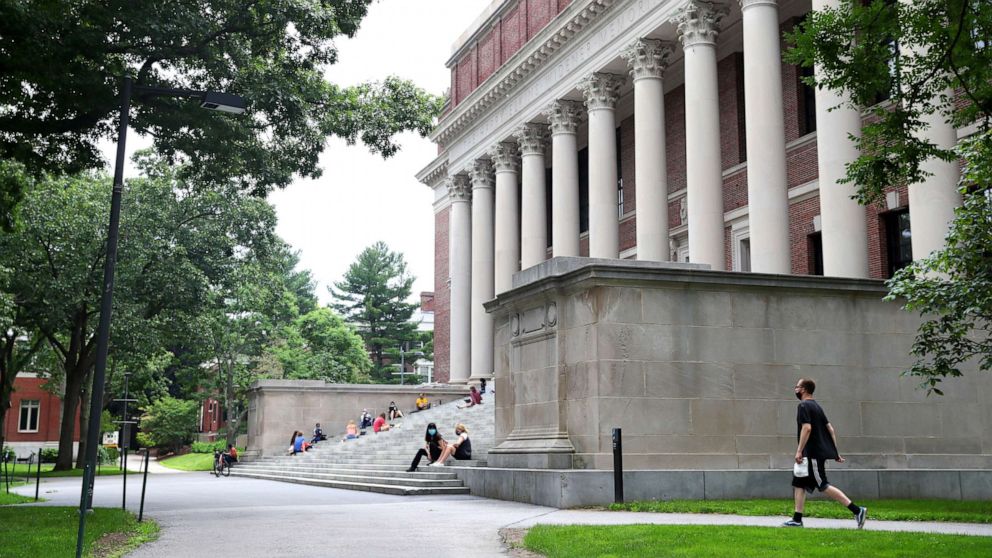
Reopening colleges safely can be done -- but students need to be screened for COVID-19 "every two or three days," and strict protocols, like wearing masks, need to be in place to mitigate the spread of the virus, suggests a new study.
"It is possible to reopen U.S. residential colleges safely in the fall," professor A. David Paltiel, one of the study's authors, said in a statement. "But it will require high-cadence screening in addition to strict adherence to masking, social distancing, and other preventive practices."
The study, led by the Yale School of Public Health, was published in the Journal of the American Medical Association Open Network and was co-authored by researchers from Massachusetts General Hospital and the Harvard Medical School, according to a news release.
Monitoring students for symptoms isn't enough, co-author of the study Amy Zheng of Harvard Medical School said in a statement, noting that, "You cannot move swiftly enough to contain an outbreak if you wait until you see symptoms before you respond."
"This virus is too readily transmitted by highly infectious, asymptomatic, 'silent spreaders,' especially if there might be sporadic parties that lead to outbreaks," Zheng added.
However, the authors said it is also possible to test students too often.
"Too much screening overwhelms isolation facilities with false-positive results, generating unnecessary expenditures, fueling anxiety and undermining confidence in the ability of the university to keep its students safe," said senior study author Rochelle P. Walensky in a statement. Walensky is also chief of the Massachusetts General Hospital's Division of Infectious Diseases and professor at Harvard Medical School.
According to the news release shared by Yale, the study also found that screening more frequently is more important than the accuracy of the test, and that even using a low-quality test more often, "will avert more infections than weekly testing with a higher-quality alternative."
As states grapple with the spread of COVID-19, on Friday, Adm. Brett Giroir, the nation's top coordinator for testing efforts, said it would not be possible to ensure every person who was tested got their results within 48 to 72 hours.
"It is not a possible benchmark we can achieve today given the demand and the supply. It is absolutely a benchmark we can achieve moving forward," Giroir told a House panel.
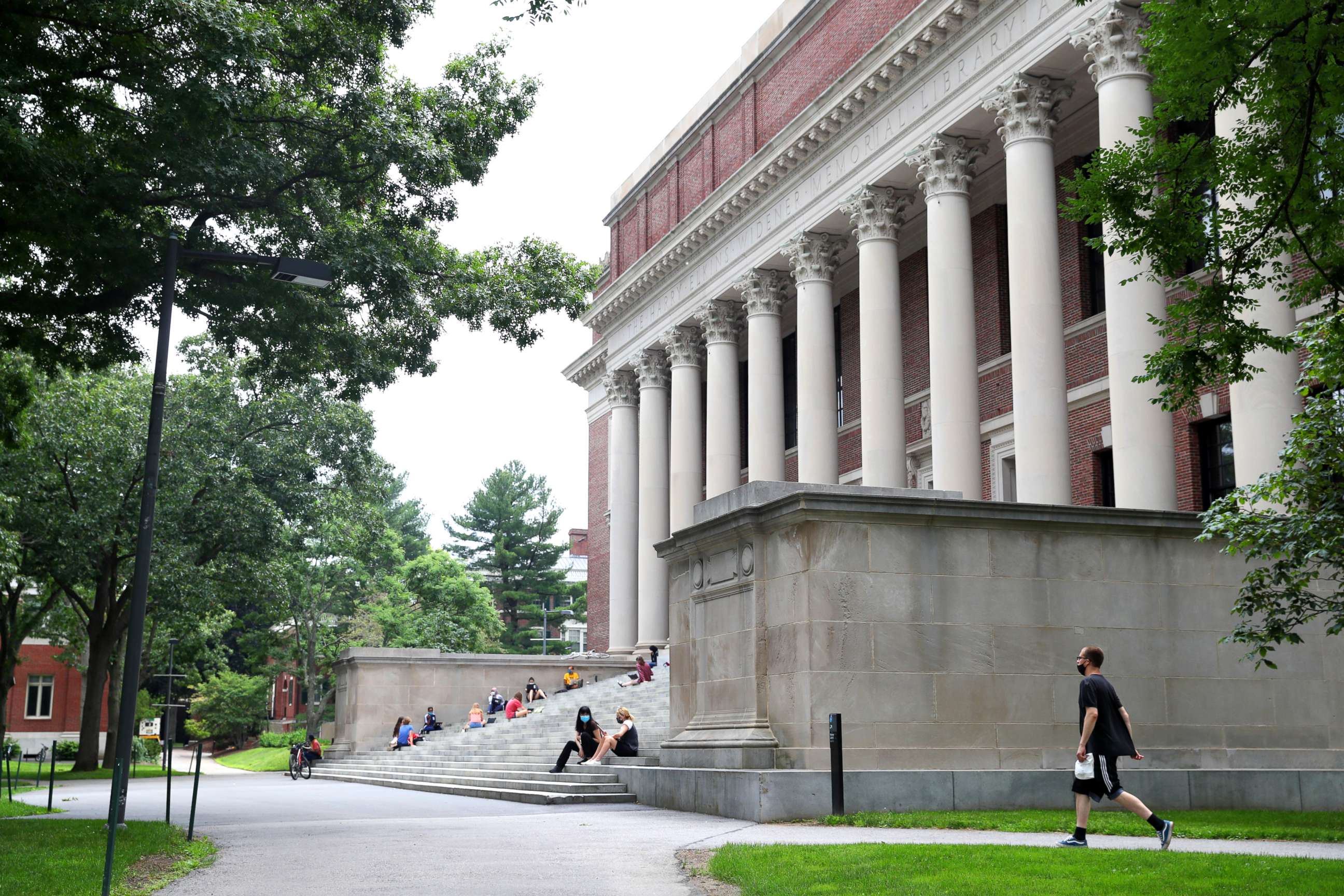
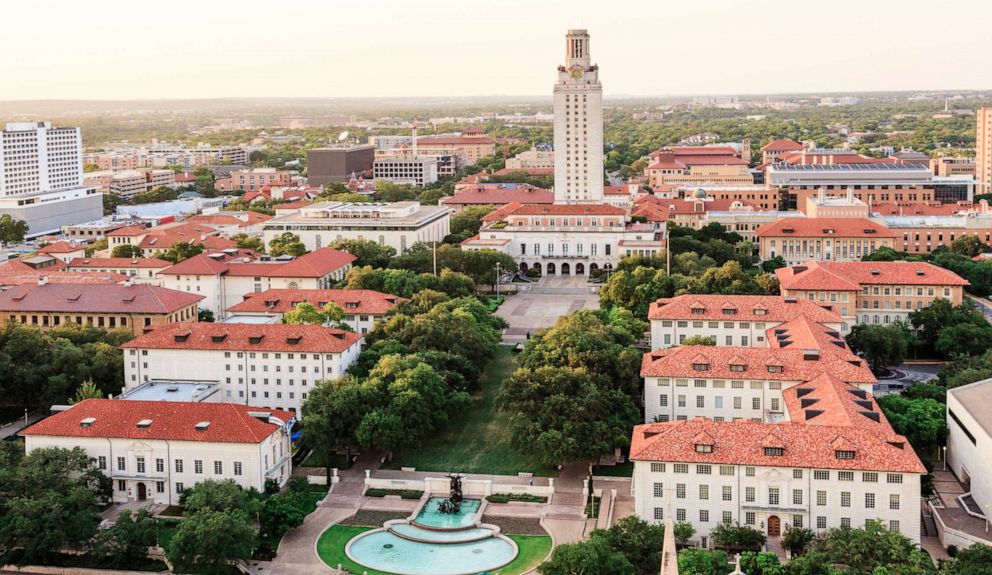
The study comes as schools across the country are rolling out reopening plans for this upcoming fall semester after campuses were forced to shut down last spring in response to COVID-19 outbreaks.
The plans to resume learning this fall vary, including some schools offering all-remote options or hybrid learning plans.
Georgetown University in Washington, D.C., announced it would begin courses through an all-virtual model, and first year undergraduate students would not be on campus. Columbia University in New York City is requiring "an initial gateway test" and students living on campus "will subsequently be tested frequently, using an adaptive and flexible model that acknowledges the situation both in NYC and on campus," in addition to other preventative measures.
"Any school that cannot meet these minimum screening standards or maintain uncompromising control over good prevention practices has to ask itself if it has any business reopening," Paltiel said.
ABC News' Anne Flaherty contributed to this report.