Conflicting feelings about 'chain migration' on display at State of the Union
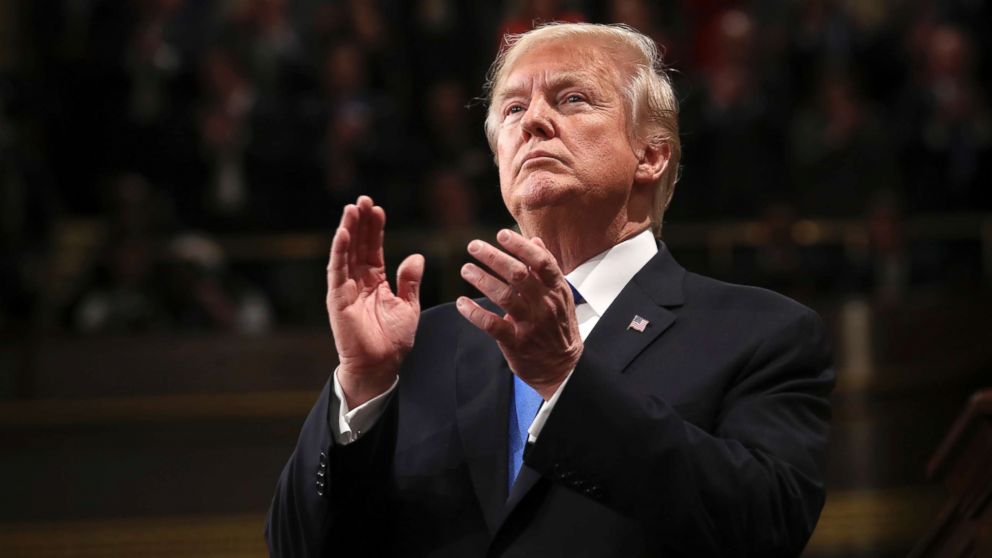
— -- The relative silence from the Democratic side of the House chamber was on display at the State of the Union on Tuesday night, but there was one very noticeable break.
When President Donald Trump spoke about the four pillars of the administration's proposed immigration reform plan, he said that the goal is to "end chain migration." The cameras from inside the chamber picked up loud cheers, likely from Republicans, but at the end of the next sentence, there was a round of boos that had not been heard at earlier points in the speech.
"Under the current broken system, a single immigrant can bring in virtually unlimited numbers of distant relatives," Trump said over a growing chorus of boos. This claim isn't accurate, either -- citizens and green card holders can petition for certain immediate family members but it's not feasible to admit an unlimited number of family members, according to ABC News' fact check of the State of the Union address.
"I was surprised that that was the one moment that there were boos that I remember," said Jessica Vaughan, the director of policy studies at the Center for Immigration Studies.
The term -- chain migration -- has come under fire amid the ongoing immigration debate, with a number of Democratic senators and advocacy groups calling it racist.
On Monday, the day before the State of the Union, Sen. Kirsten Gillibrand, D-N.Y., slammed the use of the term by Trump and others.
"I think a lot of President Trump's rhetoric is racist and let's be very clear: When someone uses the phrase 'chained migration' ... it is intentional in trying to demonize families -- literally trying to demonize families -- and make it a racist slur and it is not right. And so we have to change the debate," Gillibrand said on ABC's "The View."
Days earlier, Sen. Chris Murphy, D-Conn., echoed that sentiment, writing on Twitter: "Reminder: 'chain migration' is a made up term by the hardline anti-immigration crowd. Its purpose is to dehumanize immigrants. If you're using that word, you're declaring a side."
And others commented on Trump's use of the phrase during the State of the Union speech itself, including former U.S. Attorney Preet Bharara and the American Civil Liberties Union, a nonpartisan nonprofit organization dedicated to defending individuals' rights.
Experts from conservative groups, including Vaughan, disagree with the backlash over the term.
"The term chain migration has been around for decades and decades and it's widely used among scholars of immigration and policy experts," Vaughan told ABC News this morning. "It's always been a very benign term."
Vaughan also pointed to Sen. Dick Durbin, D-Ill., who spoke earlier this month about how the term shouldn't be used, even though there is C-SPAN footage from a floor speech in 2010 when Durbin used the term himself.
"It's a term that everyone has used for a long time and all the sudden it becomes off limits when people disagree with the reforms," Vaughan told ABC News.
The term is used to describe the chain-like way that people are allowed to apply for legal immigration to the U.S. after a certain relative lives in the country.
"It's like a chain that just keeps going out," said Hans von Spakovsky, a senior legal fellow at the Heritage Foundation, a conservative think tank.
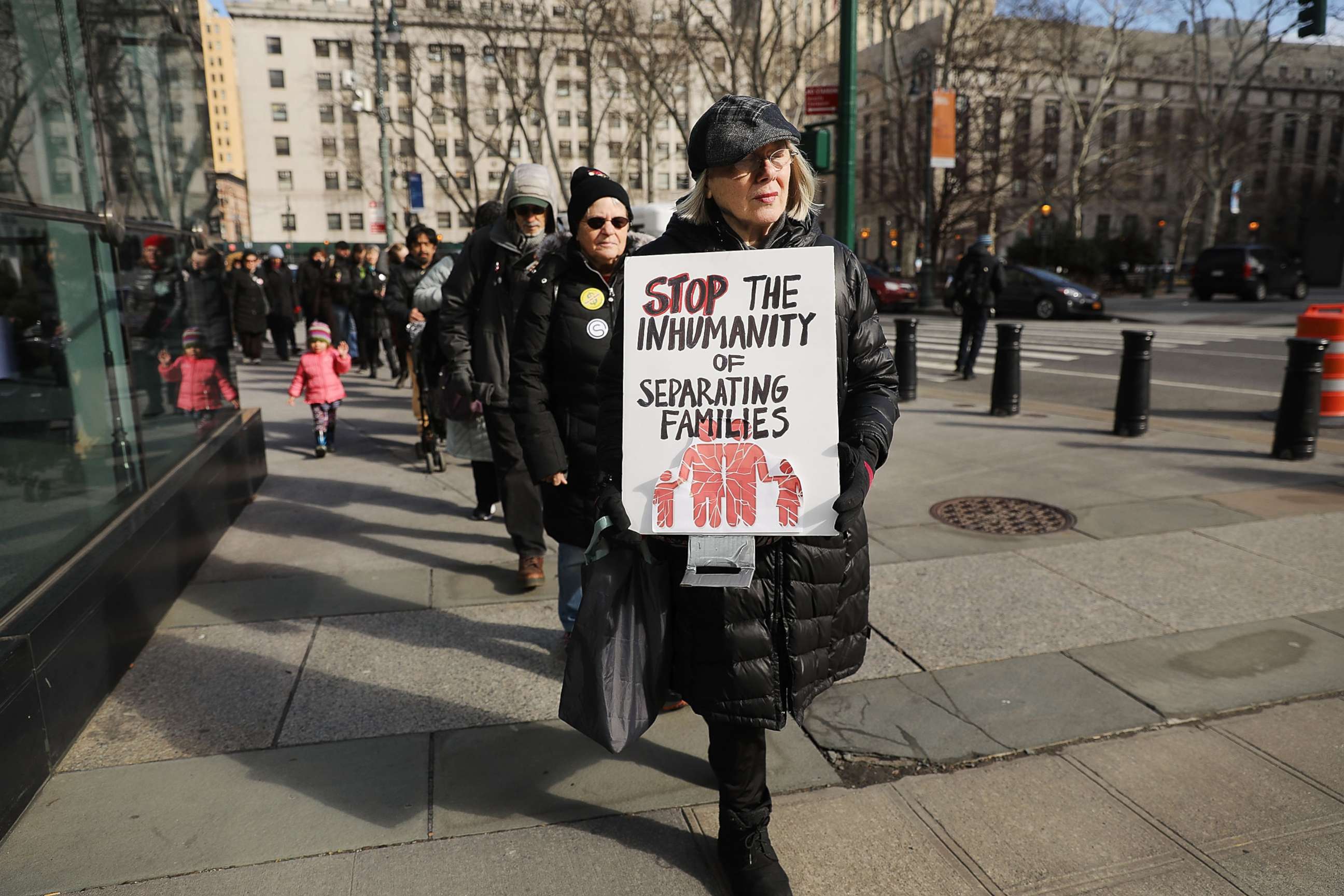
Those who oppose the term, like Diane Rish, the associate director of government relations at the American Immigration Lawyers Association, claim that it "makes it seem like there's this chain in place when at the end of the day it's really all about family reunification."
"Family reunification" is the preferred term by some advocacy groups, but neither that nor chain migration are actually used by the State Department. Instead, the State Department calls it "family-based immigrant visas," which are broken down into categories determining who can apply.
Under the current system, immediate relative immigrant visas are intended for the spouse of a U.S. citizen, unmarried children of the citizen under the age of 21, parents of a U.S. citizen who is at least 21 years old, and orphans either already adopted abroad or to be adopted abroad by the U.S. citizen. After that group, there are four categories of other relatives who can be granted family preference immigrant visas: unmarried sons and daughters of U.S. citizens and their children, married children of citizens and their spouses or children, brothers and sisters of U.S. citizens and their spouses and children, and the spouses, minor children and unmarried children of lawful permanent residents.
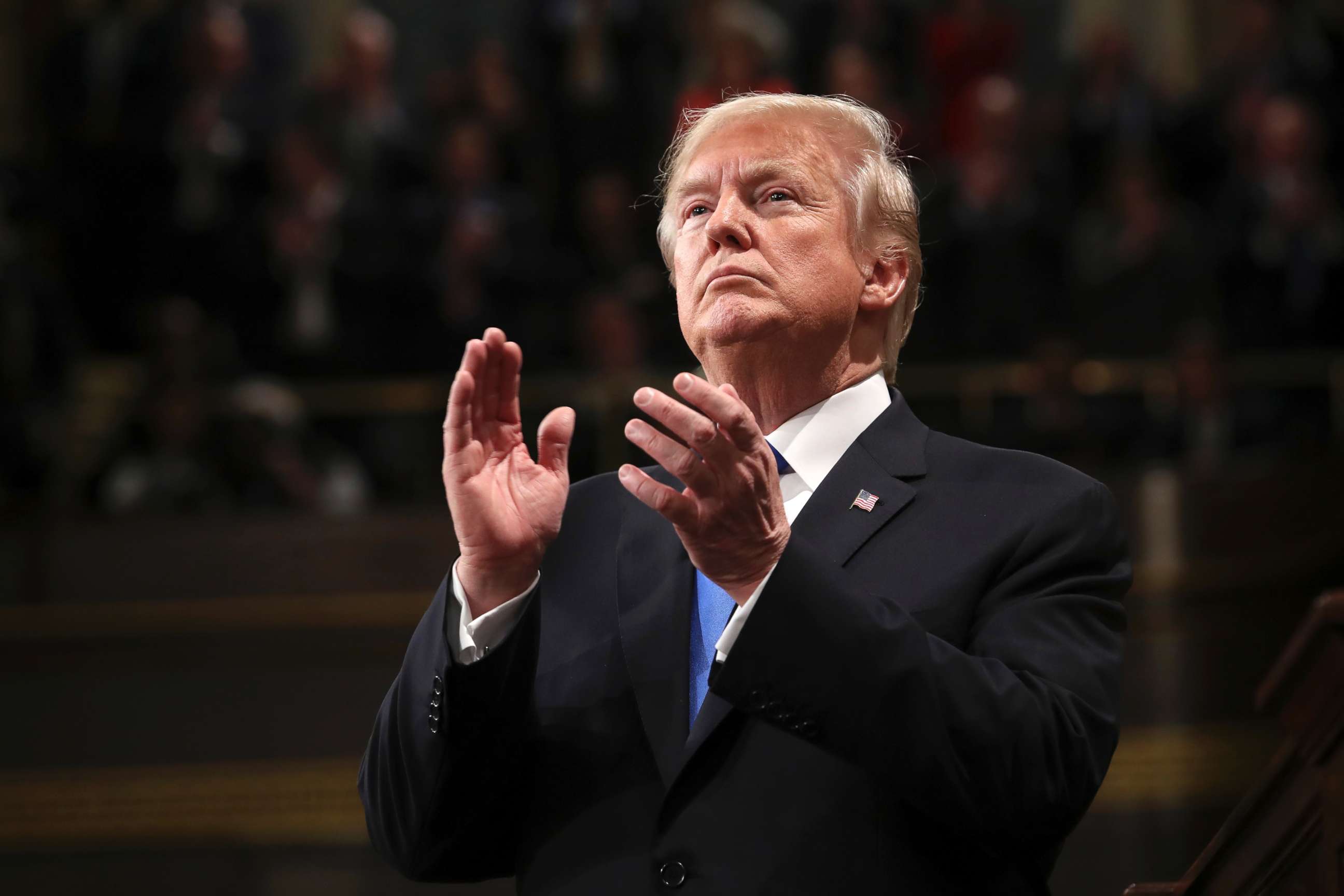
The immigration plan proposed by the Trump administration does not get rid of such family-based immigrant visas but limits them. In the State of the Union speech, Trump billed it as a way to "protect the nuclear family."
"Under our plan, we focus on the immediate family, by limiting sponsorships to spouses and minor children," he said.
Von Spakovsky said that the cries of racism surrounding the term are "just an attempt to divert people from debating the issue."
"They bring out the racism claim as a way to try and shut down debate," he told ABC News.