Connecticut Woman Told That Maternity Leave Viewed as Resignation
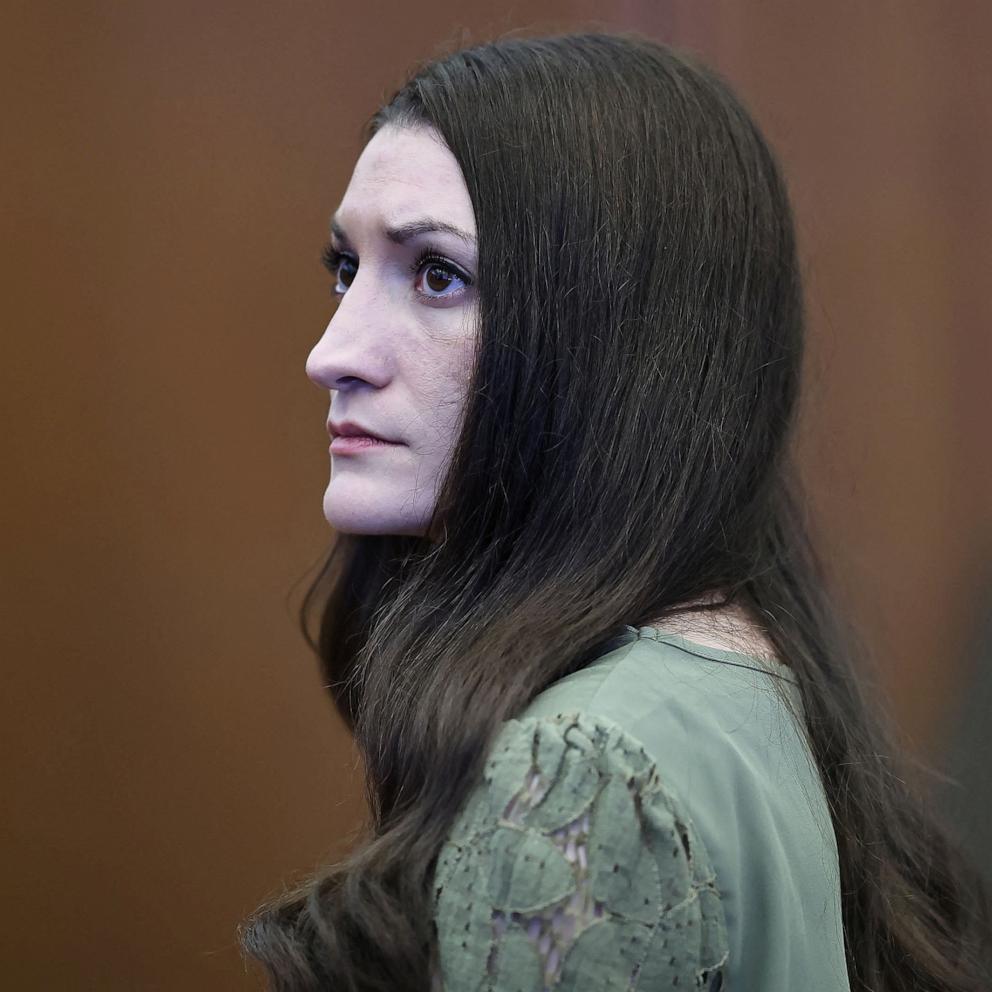
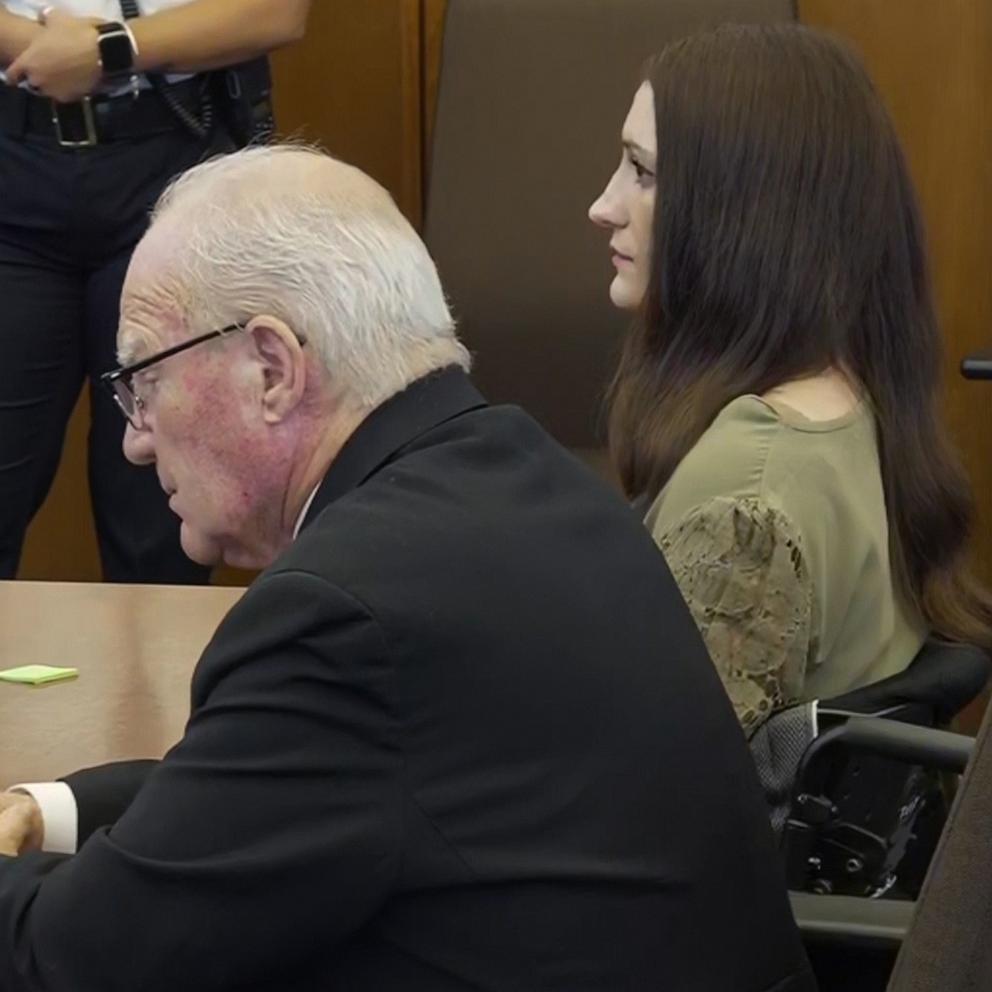
Feb. 3, 2012 — -- Amy Zvovushe, a senior program manager with a marketing company in Connecticut, alleges her employer asked her to resign instead of providing leave after learning she was pregnant, a claim of discrimination that too many women in the U.S. are forced to endure, advocates say.
Zvovushe, 31, said because she had worked at the company for four months her employer said she was not protected under the federal Family Medical Leave Act, which says employees must be on the job for at least a year to be eligible for up to 12 weeks of unpaid, job-protected leave a year.
Having left her previous job to join the company, Ryan Partnership, on June 1, Zvovushe said she was in disbelief she would not have a job after she had her baby.
After she told one human resources employee that she was pregnant on Sept. 23, Zvovushe said she met with two human resource executives who told her she would have to resign because she had not been with the company, which has over 50 employees, for 12 months.
Hear: Recorded Conversation That Allegedly Shows Pregnancy Discrimination
"The story shows how shockingly uninformed some supervisors are as to what constitutes pregnancy discrimination," Joan Williams, law professor and director of the Center for Work Life Law at the University of California, Hastings, said.
Seven states, California, Connecticut, Illinois, Louisiana, Minnesota, New Hampshire, Michigan, have passed laws requiring private employers to provide at least some accommodations for pregnant women to keep their jobs. Two states, Alaska and Texas, require certain public employers to provide some accommodations. Legislators in New York introduced a bill this week to provide accommodations for pregnant workers.
Dina Bakst, a lawyer, founder and president of A Better Balance: The Work and Family Legal Center, said many pregnant workers who ask for accommodations get pushed out the door.
The Equal Employment Opportunity Commission is scheduled to host a hearing about pregnancy discrimination this month in Washington, D.C., in which Williams is testifying.
According to a recording on Oct. 31, Zvovushe alleges one human resources executive said, "The issue is in terms of what the legal employment action is, we have a job for you, you don't receive protection under FMLA so technically if you don't come to work doesn't matter whether you're having you're appendix out or you're having a baby or you're dealing with a sick person you didn't show up for work on Monday."
"So in effect you haven't come back into the office, so that's why we view it as a voluntary resignation," the woman in the recording said. "Because you are voluntarily not coming here because you are taking the time to have a baby, it's not protected time within the law so that's how we treat it."
Zvovushe said she recorded the conversation without the executives' knowledge. When her attorney contacted the company about the allegations of discrimination, she said they granted her leave to have her baby, born in January.
"Because they were able to fix it, they say no harm, no foul," Jack Tuckner, her attorney said. "Many women, particularly inner city women, quit, because they've been told these things by a human resources director and vice president. They just hope women will just ride off into the sunset."
Tuckner said his client has filed a claim with the Equal Employment Opportunity Commission and the State of Connecticut Commission on Human Rights.
He called it "sexist irony" that the federal Family Medical Leave Act was enacted to protect working women, not for use by employers to "discard" pregnant employees when their babies come to term.
Michael Soltis, an attorney for the company, said the company declined to comment on the audio and the situation because they are a pending legal matter.
Williams said it is illegal to discriminate against pregnant women, who have to be treated the same as those with the same inability or ability to work.