'A constant problem': Abandoned mines causing sinkholes, other incidents across the country
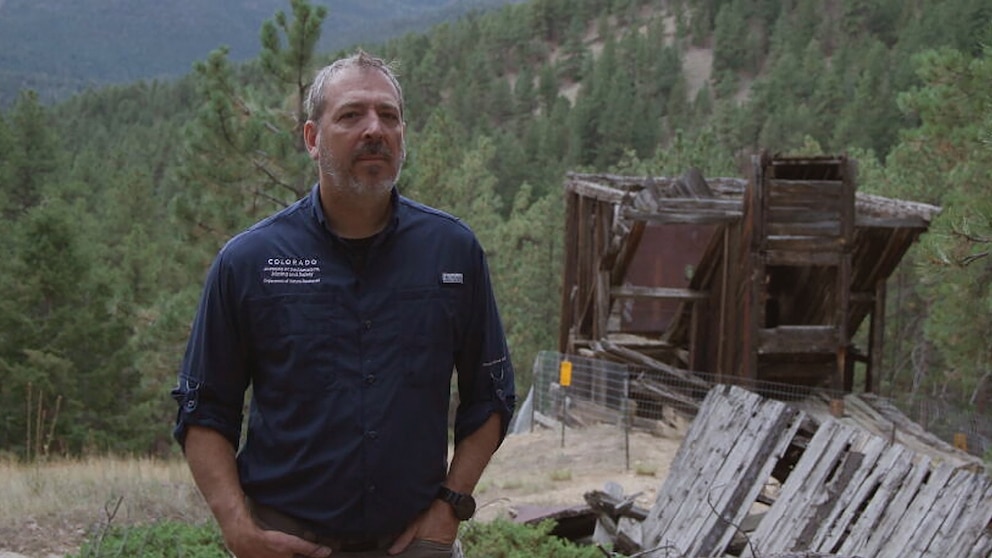
In California, a gold mine caved in beneath a family living room, killing a 32-year-old man and his dog. In Pennsylvania, a grandmother died when an abandoned coal mine gave way under her feet while she searched for her missing cat. And in New Jersey, an abandoned mine shaft opened up beneath a major highway, creating a sinkhole more than 40 feet wide.
At the time, these may have appeared to be isolated incidents -- but an ABC News investigation found that they were caused by decaying infrastructure from abandoned underground mines collapsing beneath residential streets, highways, and family homes, triggering sudden sinkholes, injuries, and, in some cases, fatal accidents.
ABC News Investigates uncovers some of the scars of America's mining past: dangerous sinkholes and abandoned mine shafts opening up across the country due to infrastructure that is eroding away. Watch the segment on ABC News Live PRIME Tuesday at 7 p.m. ET, on Hulu at 8 p.m. and on Nightline at 12:30 a.m. ET.
Abandoned or forgotten mines are inactive mining sites, dating back to the 19th and mid 20th centuries, that were left unsealed and unmonitored after operations ceased.
"It's pretty much everywhere and different stages of problems," said Paul Santi, who has spent years studying the nation's mining legacy at the Colorado School of Mines. "I think it's one of these things that people aren't really thinking about until it happens."
"It could be very slow, something that just feels like the land is slowly settling down, or it could be something rapid that you come out in the morning and there's a gaping hole in your backyard," Santi said.
'No one kept records'
An ABC News data analysis of records pulled from two federal agencies revealed hundreds of thousands of documented mine locations across the country. Currently, there is no single, comprehensive federal database that accounts for every forgotten or abandoned shaft in the country.
"Part of the problem with finding these is that some of these mines are 100, 150 years old and maybe they weren't well-mapped at the time, or if there are maps they're hard to find," Santi said.
A top federal official overseeing coal mine reclamation acknowledged that government agencies do not know the locations of every abandoned mine in the country.
"Mining back in 1865 or 1880 or 1890, there are no records of that. No one kept records," said Lanny Erdos, an official with the Department of the Interior's Office of Surface Mining Reclamation and Enforcement. "There potentially can be mines out there that we would have no idea that they are there until they express themselves in some adverse way."
'A constant problem'
The federal data ABC News analyzed shows Pennsylvania coal country is the epicenter of the country's abandoned mines, where entire communities were constructed directly above century-old underground workings.
"Coal built this town. And then the scars that the coal left behind were the culm piles and the mines, the mine shafts, and mine cave-ins," said Mayor Michele Bannon of Carbondale, Pennsylvania. "We have a constant problem with the utilities sinking down in."
Coal mining in Pennsylvania dates back to the mid-1700s, when it first powered the iron industry before growing to fuel the nation's industrial expansion.
According to the state, miners over the last three centuries have extracted more than 15 billion tons of coal across 250,000 acres, leaving behind thousands of miles of streams polluted by abandoned mine drainage and thousands of unreclaimed mineshafts.
In Blakely, Pennsylvania, Gene and Rebecca Newton discovered a 35-foot sinkhole in their driveway two days after Christmas when it swallowed their vehicle.

"You just see this car hanging on by two front tires before it falls in the hole and you just think to yourself, 'Oh my God, what just happened?'" Rebecca Newton said.
The couple's 25-year-old nephew was sitting in a car steps away when the sinkhole opened.
"In the back of your mind ... is it going open up again? Will a different spot open? Will you be in the house when something happens?" Rebecca Newton said.
Local conservation leaders, including Bobby Hughes, the executive director for the Eastern Pennsylvania Coalition for Abandoned Mine Reclamation, have worked to digitize historic paper maps to help residents determine if mine shafts lie beneath their properties.
"Unless you live it, you don't really understand it fully," Hughes said. "Each one of these little holes ... could be an opening. That just means there's a mine right beneath us."
Hughes and his team also do water monitoring and assessment work on polluted streams caused by abandoned mine drainage. He took ABC News to several streams whose water was no longer potable.
"The aquatic life is dead, you can't utilize this water for public drinking," he said. "It's just the legacy of past mining."
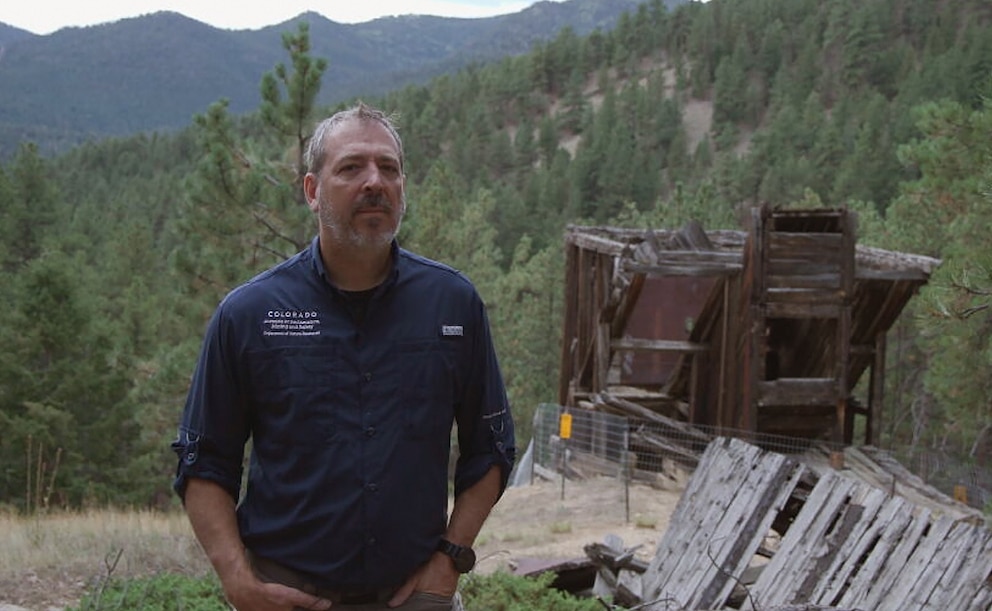
Hughes told ABC News he believes lawmakers should take the issue more seriously. In December, Congress diverted $500 million in federal funding that had originally been set aside under the 2021 Bipartisan Infrastructure Law to clean up dangerous abandoned coal mines.
"I don't care if you're a Democrat, Republican, Independent ... if you've got this kind of water in your backyard and it's in your district, you should be doing something about it," Hughes said.
'We're reactive'
Since the late 1970s, federal law has required companies operating coal mines to provide remediation plans to restore damaged land. However, there are no dedicated, consistently funded federal programs to clean up any other type of mine, such as gold, silver, iron, or uranium.
Erdos, the Department of Interior official, said that cleanup funds are typically allocated after a collapse or incident occurs.
"We're reactive. So these projects that we do, they are associated with an event that has occurred," Erdos said regarding federal cleanup allocations.
Erdos told ABC News that not only is funding lacking, but there's also a dearth of contractors available to do the reclamation.
"If I could give Pennsylvania a billion dollars, can they spend that billion dollars over the next three years and find enough contractors to do X amount of projects? I'll answer that for you: No, they can't, because they don't exist," Erdos said.
'Do the work'
In October 2025, hiker Jennifer Nelson died after falling into an unmapped, water-filled mine pit in Colorado's Uncompahgre National Forest.
Jeff Graves, the director of Colorado's mine reclamation program, told ABC News no one knew that mine was there until Nelson's death.
Graves estimates there are over 23,000 abandoned mines in his state alone. He told ABC News the goal is to close all of the mine features in the state.
"I think it's going to be an ongoing challenge for us and it's really going to be dictated by future funding levels, staffing levels, and then also willingness of partners to work with us," he said.
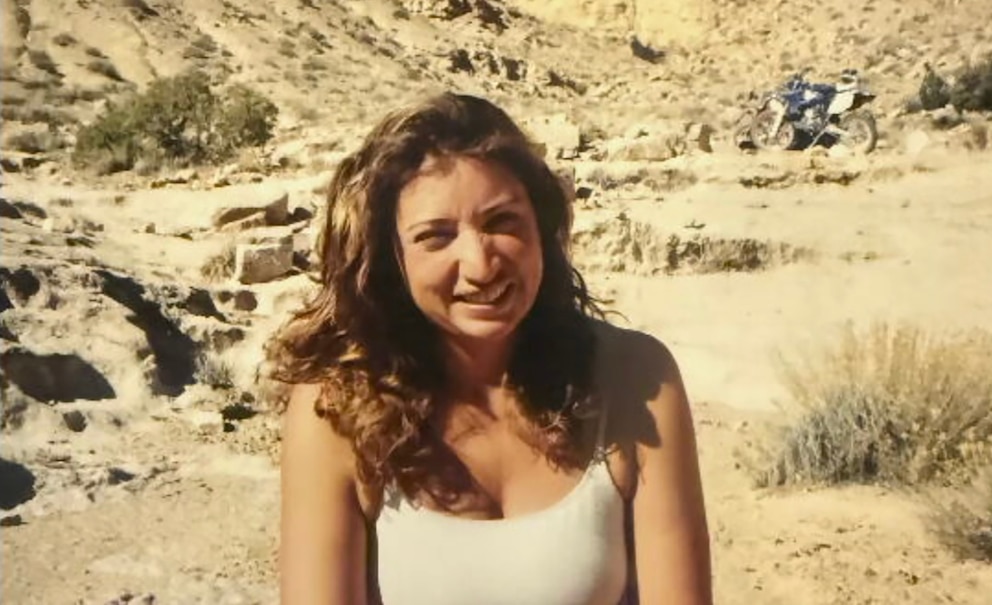
The mine shaft that Nelson fell into was sealed with a metal grate almost a year after the incident.
Nora Nelson, Jennifer's sister, implored officials to address the issue of abandoned mines.
"For those who are trying to actually work on closing these mines, do the work. Find these mines because people are dying," Nora Nelson said.
"It hurts because she's my big sister," she said. "I just miss her."
ABC News' Ryann Jones contributed to this report.