More coral bleaching at Great Barrier Reef, Australia confirms
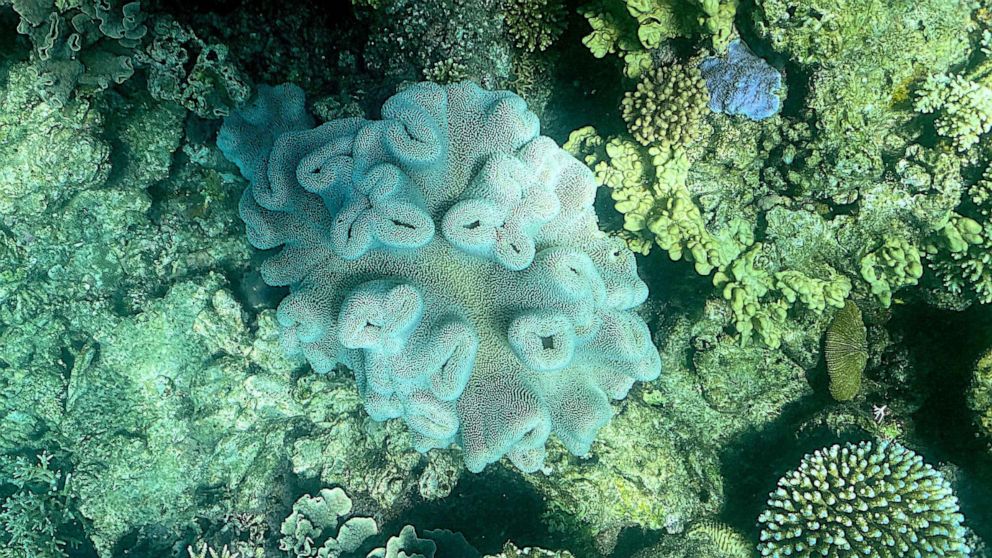
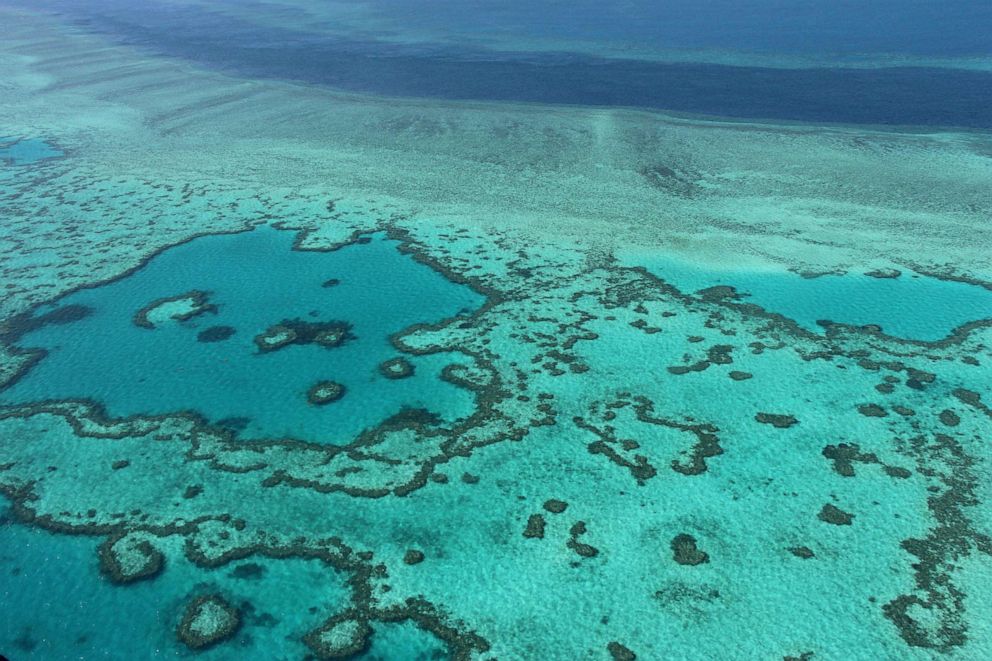
One of the world's most cherished natural wonders -- the Great Barrier Reef -- has suffered a widespread sixth bleaching event, officials confirmed on Friday after completing aerial surveyance of the 1,400-mile-long marine park.
United Nations scientists are currently in Queensland, Australia, to carry out a ten-day mission to examine the condition of the reef, and see whether enough is being done to protect the sprawling ecosystem that extends over 133,000 square miles.
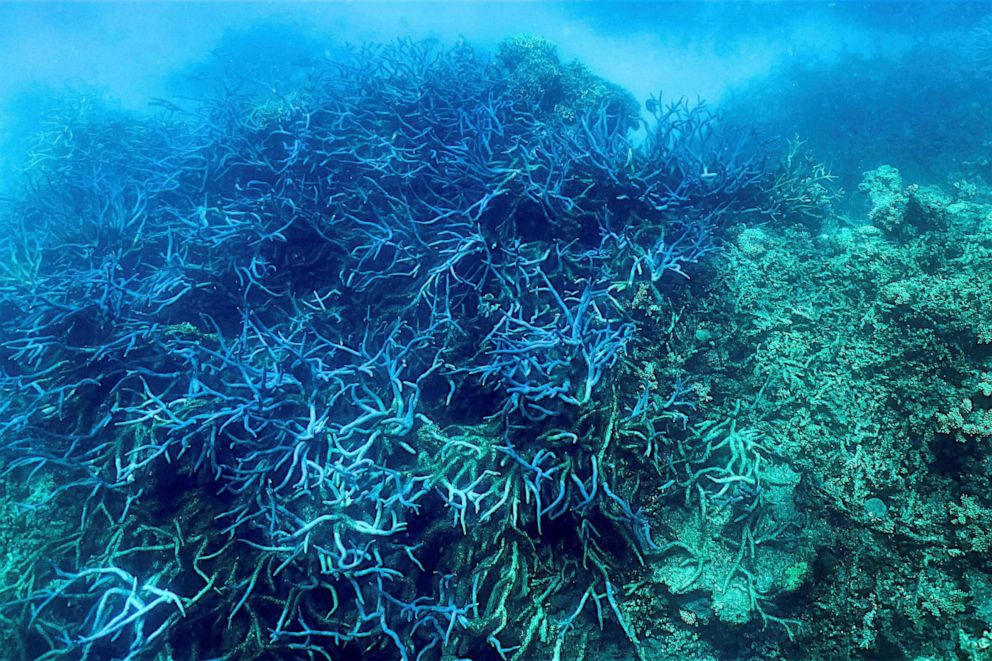
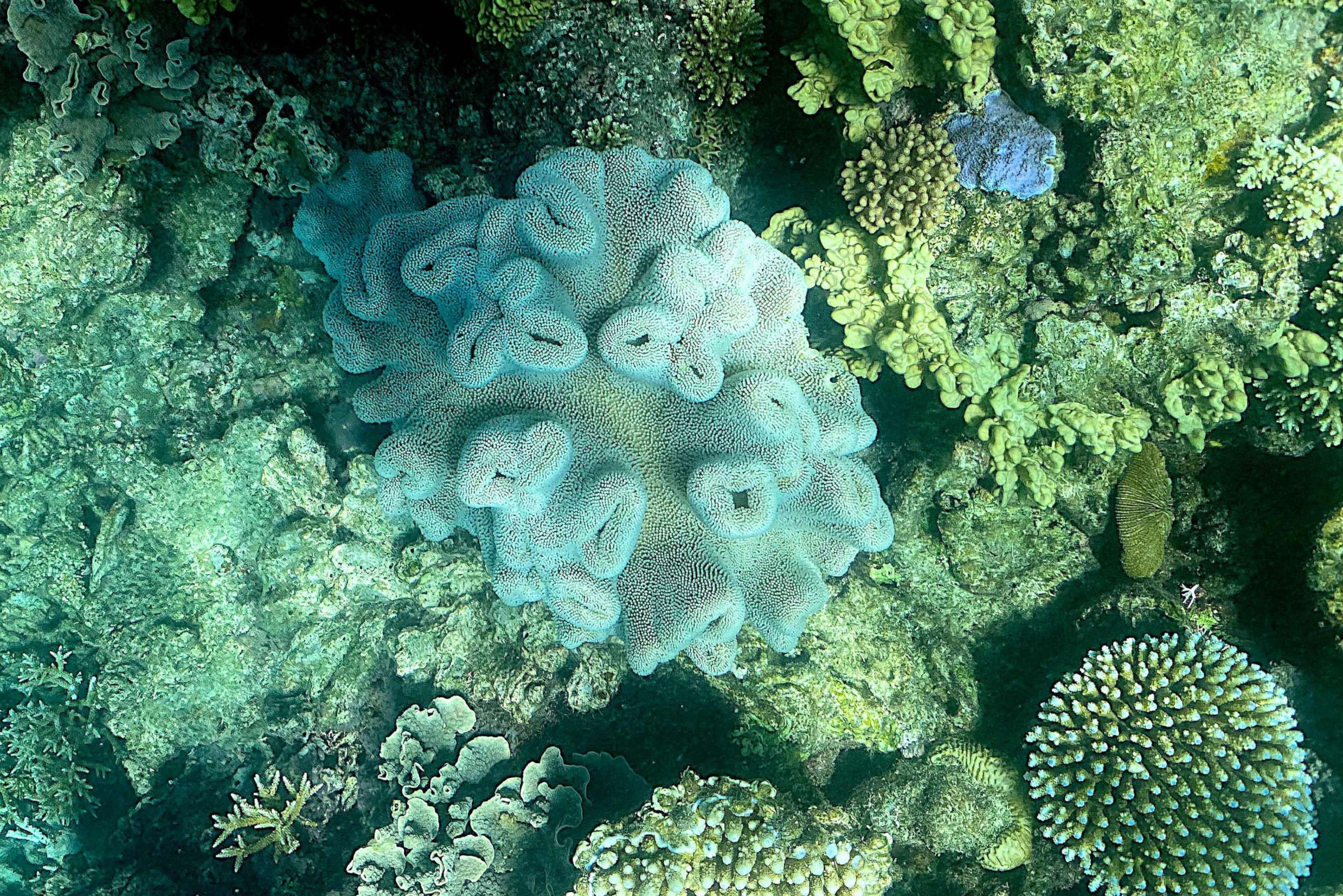
This is the fourth time in six years that the Great Barrier Reef has been impacted by bleaching, a response by the corals when they're stressed by increased temperatures, causing them to expel the green algae that gives them color, and reveal a white skeleton.
Scientists are particularly concerned that this bleaching event has taken place during La Niña, a weather system which normally creates cooler temperatures.
While bleaching does not automatically cause the coral to die, it can make corals more vulnerable to disease and impede their ability to spawn, experts say.
Scientists warn that if high ocean temperatures continue, bleaching events will become more frequent. The stressed coral will then have less time to recover and more will die as a result.
Leonardo DiCaprio sounded the alarm of a potential bleaching event on Twitter on Thursday, a day before it was officially announced by Great Barrier Reef authorities. DiCaprio said that coral scientist Professor Terry Hughes "claims a 6th mass bleaching is unfolding."
"The next bleaching event is just around the corner. We anticipate moderate or severe coral bleaching in the weeks or months coming," Hughes told ABC News back in November last year.
Hughes, who directs the Center for Coral Reef Studies at James Cook University in Australia, forewarned about the devastating effects climate change is having on the Great Barrier Reef. At that time, the climate summit in Glasgow was underway, and Hughes made it unequivocally clear that cutting carbon emissions is the only way to save the reef.
"We should all be worried. The future of the Great Barrier Reef and coral reefs generally throughout the tropics depends on the trajectory of greenhouse gas emissions and the temperature trajectories over the rest of this century," he said then.
"What's happening here in Australia on coral reefs is simply typical of coral reefs everywhere," Hughes said, "Throughout the tropics, coral reefs support the livelihoods and food security of about 400 million people."
Hughes said there are strong social and economic reasons why the Australian government should be doing "a better job" at reducing greenhouse gas emissions.
"Here in Australia, a relatively wealthy country. It's also economically important, 65,000 people work in reef tourism here in Queensland. It's worth about $5 billion each year to the economy of Australia," he said.
The Australian government has made a $700-million commitment to reef-protecting measures, but critics would like to see bolder measures toward combating climate change and a permanent pivot from the economy's reliance on fossil fuels.
Canberra, the capital city of Australia, has also lobbied to keep the reef off a UNESCO World Heritage list of sites considered "in danger," with fears, it has said, the label would taint the reef's image as a natural wonder and hurt tourism.
If cooler waters return, it is possible for the reef to make a comeback. All scientists agree, though, that the Great Barrier Reef's long-term survival will depend on how well we can act on climate change, and on that, it is a race against the clock, Hughes said.