What is 'corn sweat' and how does it exacerbate heat waves?
A phenomenon called "corn sweat" could exacerbate the impacts of the extreme heat blanketing a large portion of the United States, according to experts.
The process -- known by the scientific term "evapotranspiration" -- is the natural process by which plants move water from the roots of the plant to the surface, according to Ohio State University. The water then evaporates into the atmosphere, making the local region feel more humid.
"The term refers to the amount of moisture, the humidity that the plants take from the soil to cool off," Bruno Basso, a professor of sustainable agriculture at Michigan State University, told ABC News.
All crops with a vascular system can experience evapotranspiration, but summer crops are the most common, Basso said.
"All of our plants are transpiring moisture to the atmosphere," Aaron Wilson, a weather-climate field specialist at Ohio State University and the state climatologist of Ohio, told ABC News
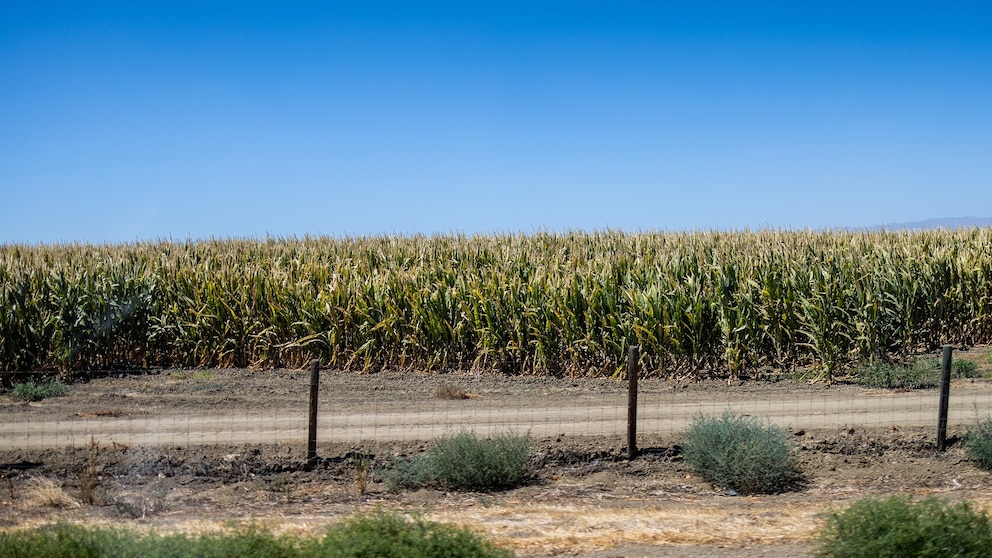
However, corn is extremely efficient at moving moisture from the roots through the plants and the leaves, Wilson said. One acre of corn can put 3,000 to 4,000 gallons of water into the atmosphere per day, Basso said. The process is especially pervasive after a rainfall event.
"This is a positive thing for the crop" because it is able to cool off, Basso said.
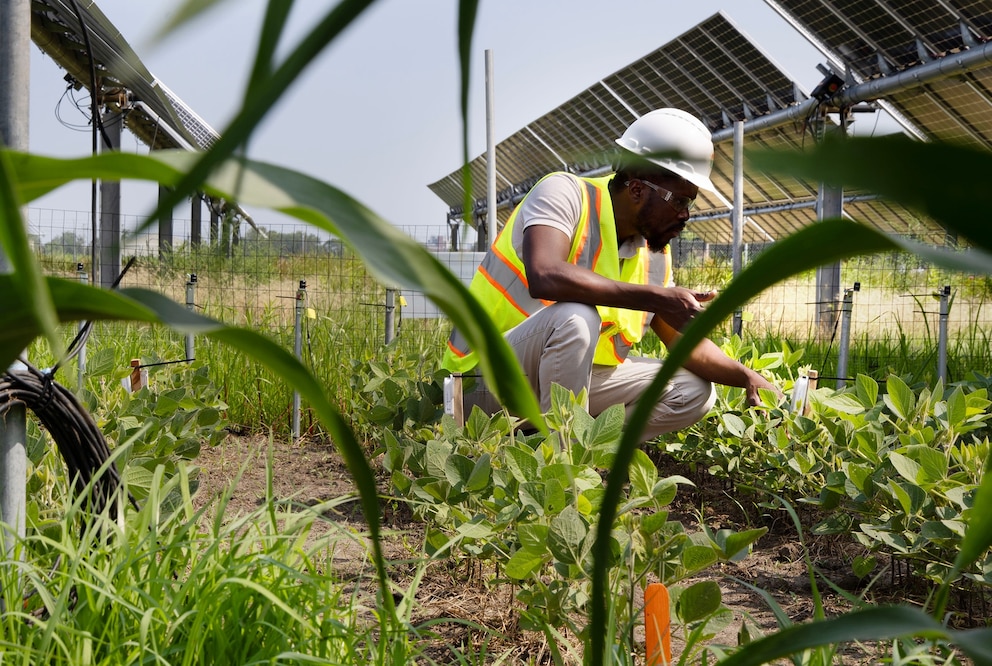
The process also commonly occurs in soybean crops, Wilson said. There are about 90 million acres of corn, and about 80 million acres of soybeans planted in the Midwest each year.
"There's a good mix of both of those crops across the region," Wilson said.
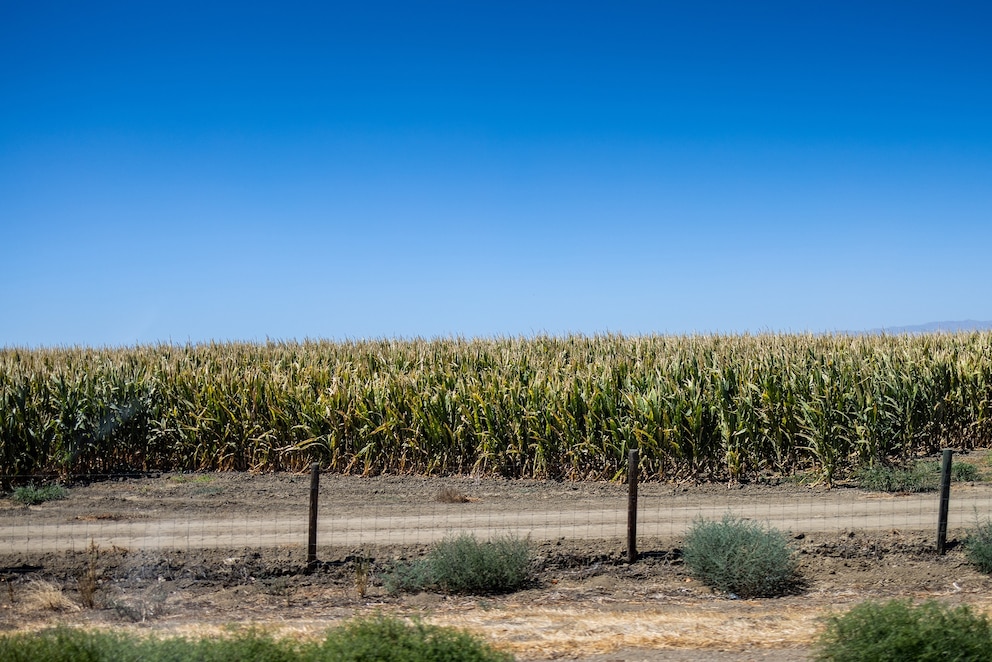
During this time of year -- the peak of summer -- corn is at the peak of production maturity, where pollination is happening and grain fill begins, which causes the corn to sweat more efficiently.
Outside of large cities like Columbus, the sweet scent of corn is prevalent throughout the state of Ohio, Wilson said.
"This time of the year, when corn is pollinating, you can smell the corn [while] driving down the highway," he said.
The additional moisture is "minimal," Wilson said. While there are some theories that the more corn, the more moisture will be added, there are research gaps to prove that hypothesis, Wilson said.
However, the added moisture can make already high temperatures even more dangerous, Basso said, comparing the feeling to being in a steam room.
"You're going to feel it, most definitely," Wilson said. "You're going to feel that impact a bit more if you're in the middle of a cornfield, or close to corn."
At least 140 million people from Texas to Maine are under alert for dangerous heat and humidity over the coming days. States within the "Corn Belt" of the U.S. that are expected to be impacted by the heatwave include Illinois, Indiana and Ohio.
Parts of the Midwest were forecast to reach "feels-like" temperatures up to 106 degrees, forecasts showed.
Corn is able to fluctuate its moisture release if it starts to feel heat stress from extremely high temperatures, Wilson said. They will often turn their leaves over to help conserve moisture and energy.