COVID-19 can last a few days on surfaces, according to new experiment findings
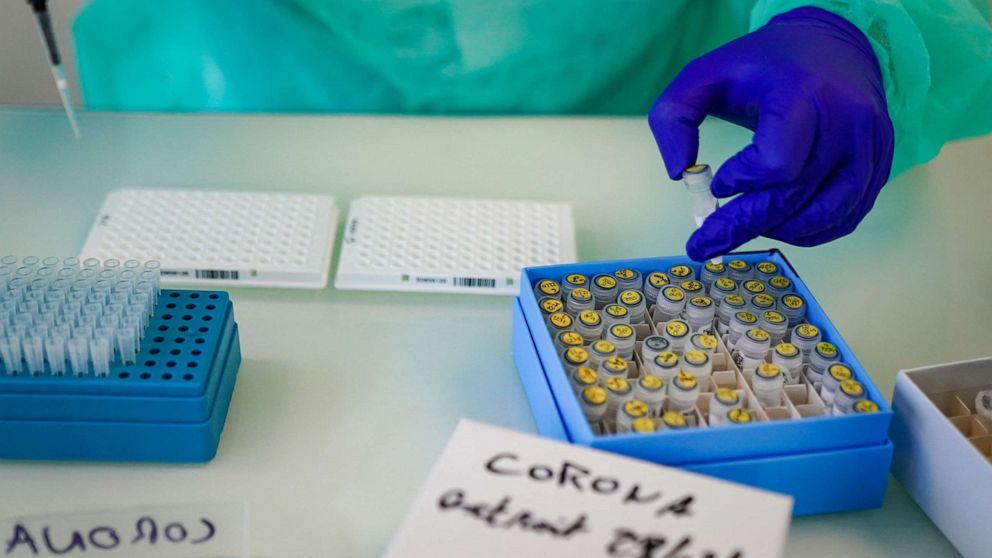
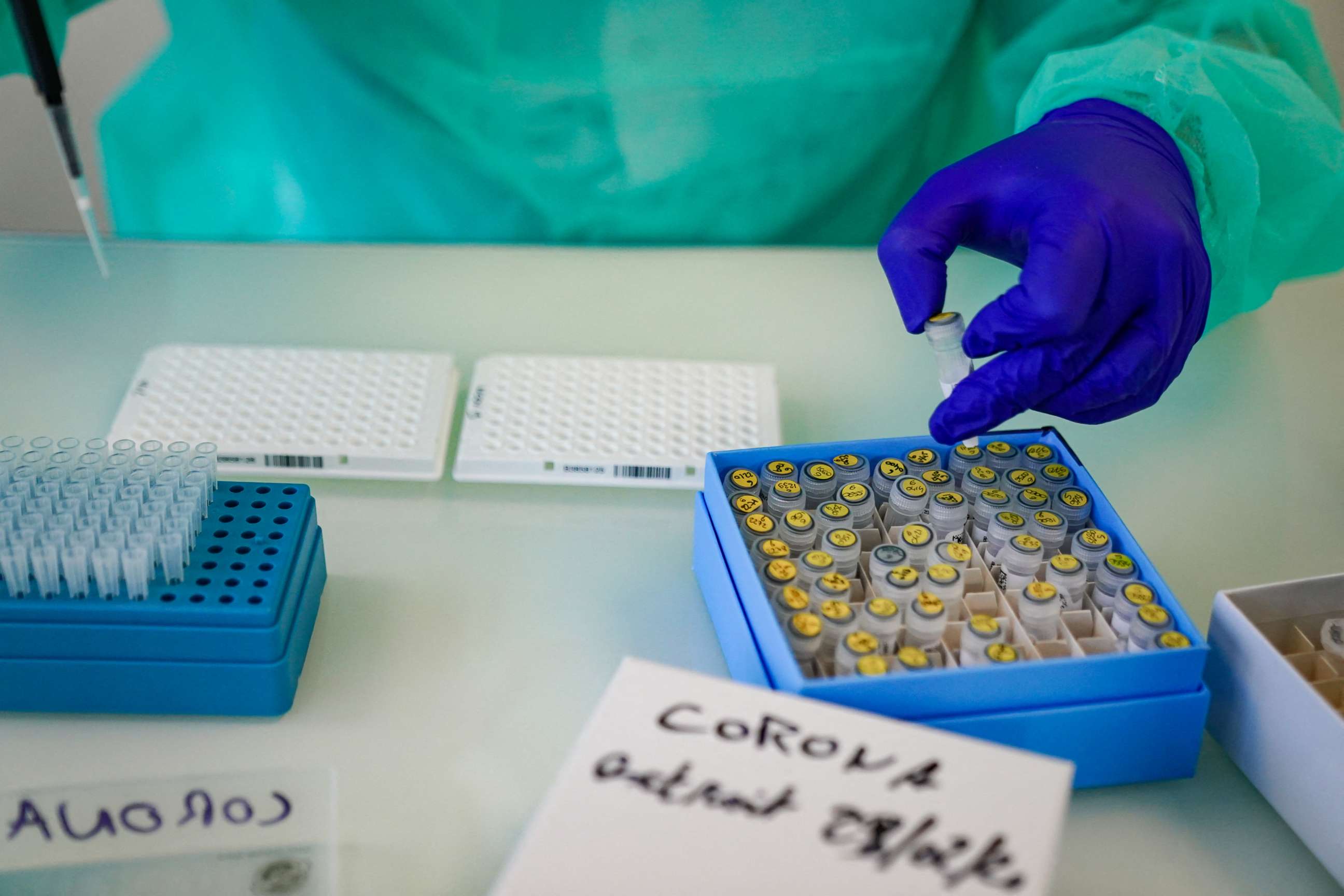
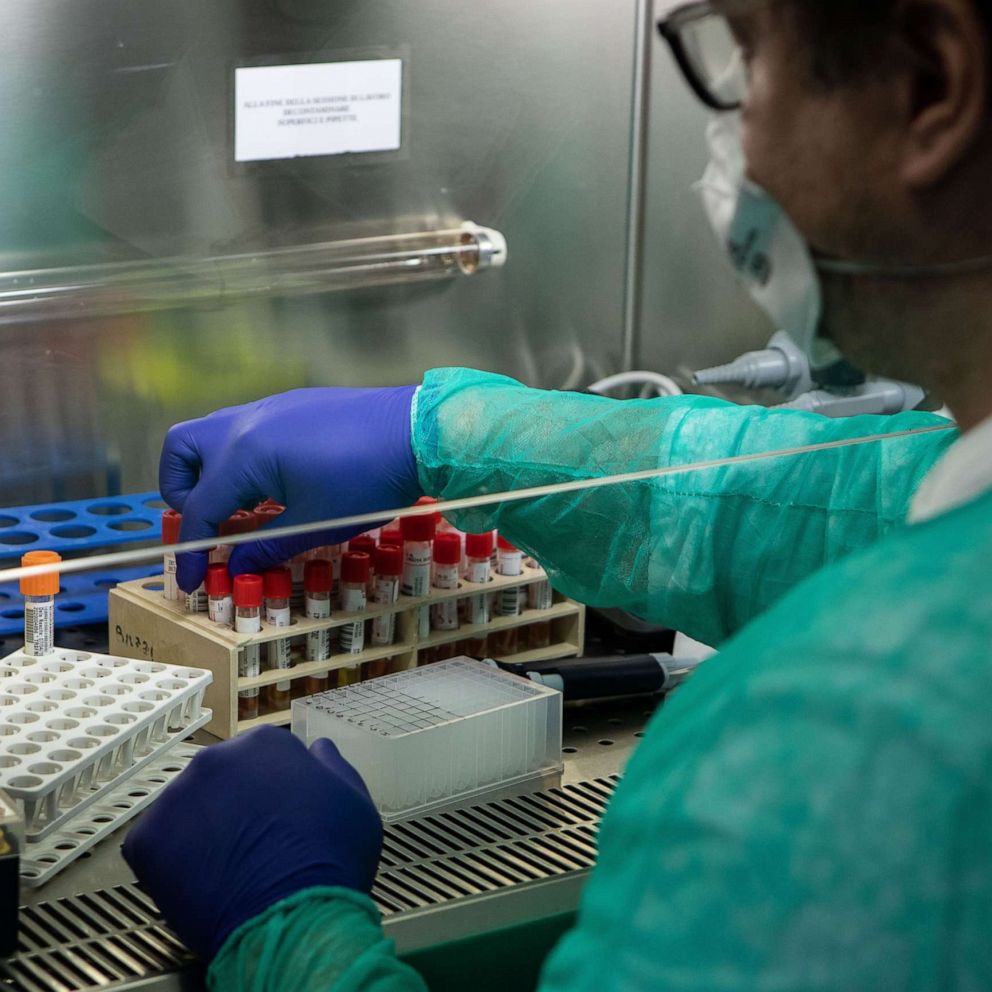
As scientists scramble to understand more about the novel coronavirus, a new government-funded experiment shows that the virus can survive on surfaces such as plastic and stainless steel for up to three days.
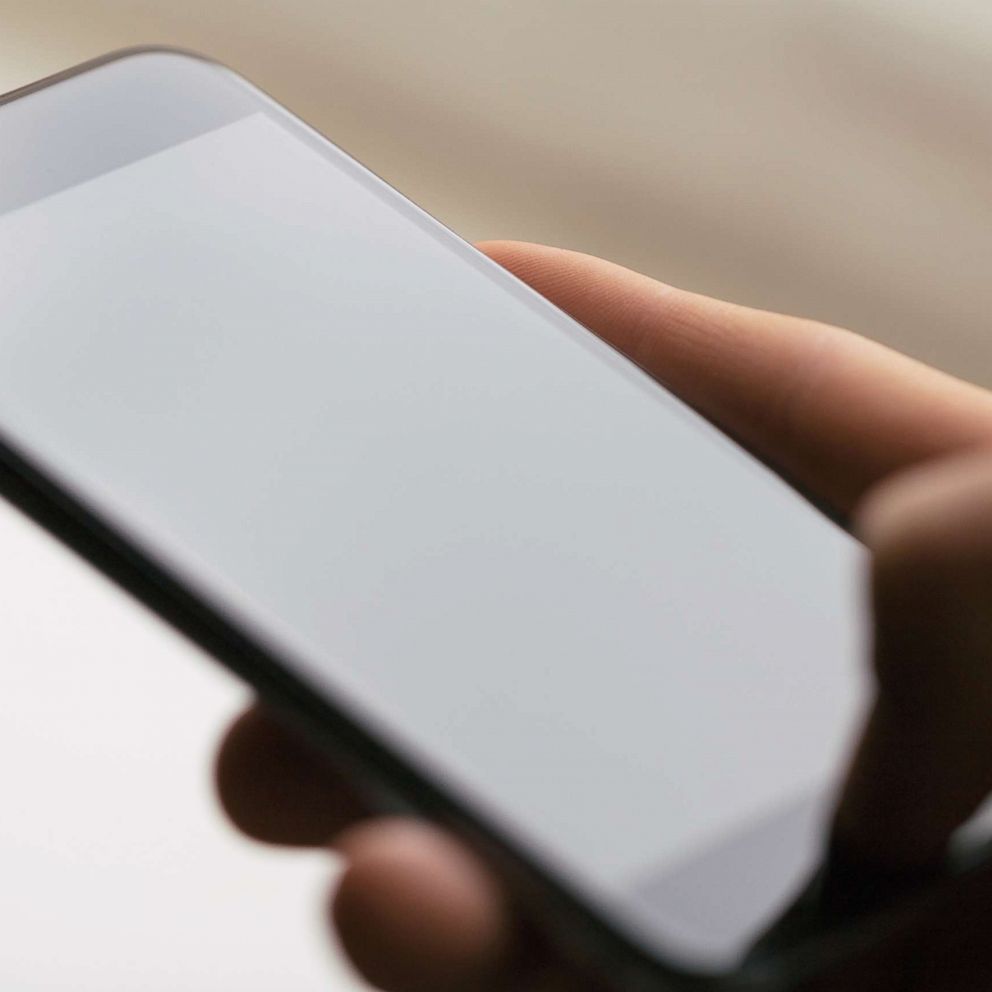
Though preliminary, the experiment emphasizes the importance of diligently sanitizing cellphones, plastic and metal surfaces regularly to prevent the spread of SARS-COVID-2, the virus that causes COVID-19.
The study has not yet gone through the normal scientific peer review process, but outside experts nevertheless say it offers important new clues about the infectiousness of coronavirus.
The experiment was led by researchers from Princeton, UCLA and the National Institutes of Health. The researchers involved set out to learn how long the virus can survive when sprayed on different surfaces and in the air.
What to know about Coronavirus:
- How it started and how to protect yourself: Coronavirus explained
- What to do if you have symptoms: Coronavirus symptoms
- Tracking the spread in the US and Worldwide: Coronavirus map
They found that the virus can survive up to three days on plastic and stainless steel, and up to 24 hours on cardboard, and up to four hours on copper surfaces. In a second part of the experiment, the researchers used a spray can-like device to spritz the virus into the air and discovered that the virus can survive suspended in a fine mist for up to three hours, though longer times were not tested.
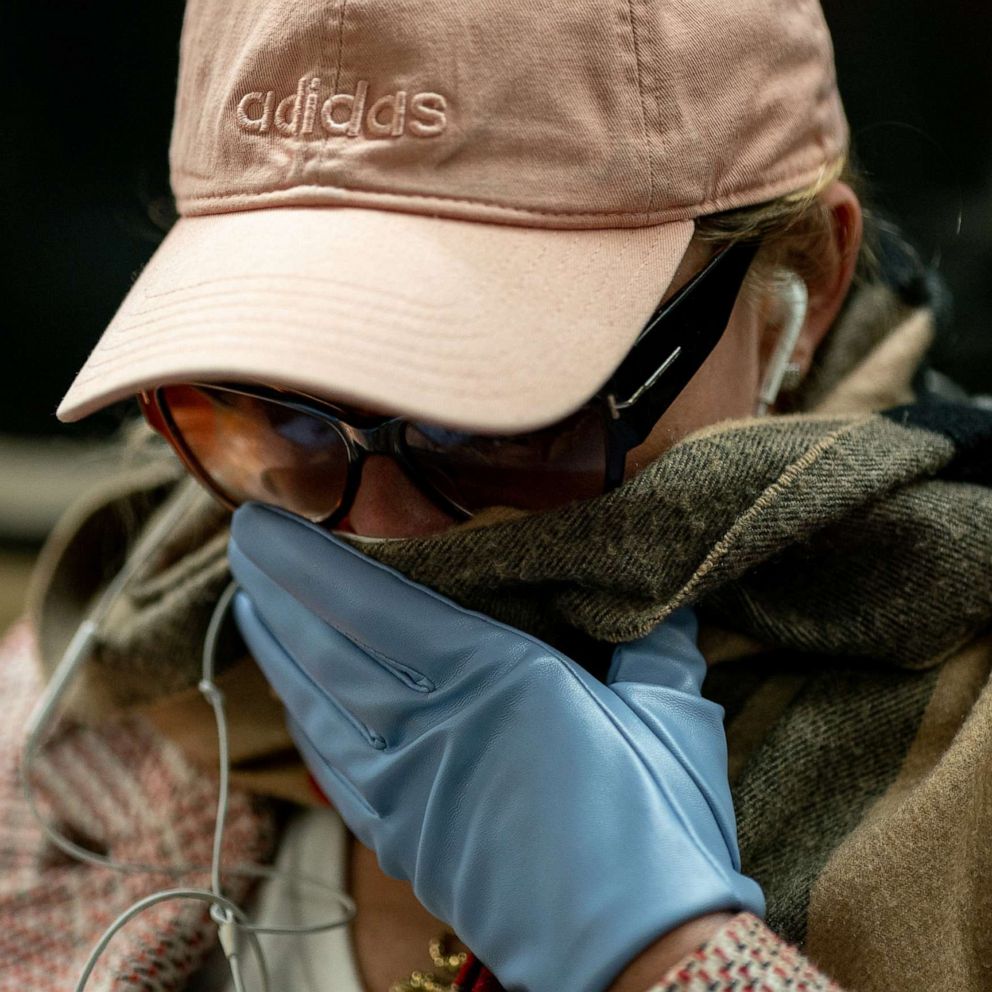
But the findings do not mean the virus is "airborne," according to one of the primary authors of the paper, Dylan Morris, a Ph.D candidate at Princeton. Morris cautioned that these aerosol findings must be interpreted carefully, since they may not apply to real-life settings, like on the train or in the office because the conditions created in the laboratory are not necessarily identical to conditions that would be created when someone coughs or sneezes. That’s because when someone coughs or sneezes, most of the droplets are heavy enough that they quickly fall to the ground.
However, Morris said the findings might be relevant in health care settings -- particularly for medical professionals caring for patients with COVID-19. Certain medical procedures , such as bronchoscopy and ventilation, can kick up a fine mist of viral particles similar to the conditions simulated during the experiment.
More research is needed to fully understand how long the virus can survive in the air under normal conditions. However, the research does strongly suggest that frequent and vigorous sanitizing of hard surfaces like phones, handles and doorknobs will go a long way in preventing the spread of the virus.
Dr. William Schaffner, an infectious disease specialist at Vanderbilt University who was not involved in the research, called this an "important study" which "demonstrates further how contagious this virus is."
Dr. Seema Yasmin, who specializes in epidemics at Stanford University, cautioned that more research is needed. "Even finding the virus surviving on a surface doesn't speak to its infectiousness,” she said. The study was performed in a petri dish, not in the human body, she noted.
"This is an area of rapid research, and I expect more studies to be coming through the pipeline," Morris noted.
Vinayak Kumar, MD, MBA is an Internal Medicine Resident at Mayo Clinic and is a contributor to the ABC NEWS Medical Unit. Sony Salzman is a journalist for the ABC NEWS Medical Unit.