Daylight saving time ends on Sunday: What to know about setting your clocks back

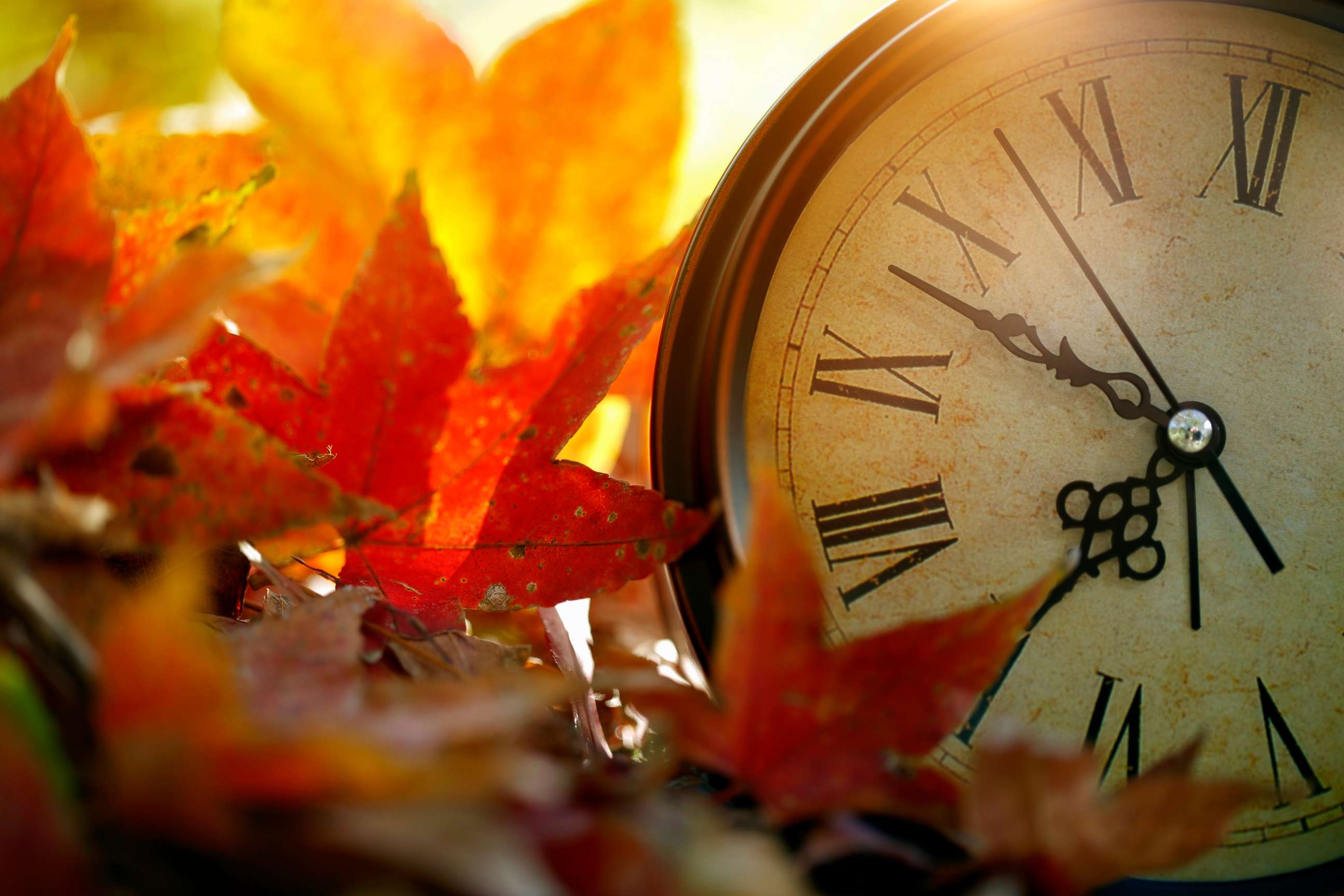
Daylight saving time is coming to an end on Sunday, bringing an extra hour of sleep for millions of Americans.
The ending of daylight saving time means that the sun will be out earlier in the morning and the evenings will get darker sooner.
Daylight saving ends at 2 a.m. local time on Nov. 6 and resumes on Sunday, March 12, 2023.
Making daylight saving time permanent
Daylight saving time was initially proposed over 200 years ago as an economical suggestion to maximize daylight hours and conserve candles.
There has been a growing movement to make daylight saving time permanent. Last year, Sen. Marco Rubio, R-Fla., introduced the Sunshine Protection Act, which would make daylight saving time permanent, eliminating the need for Americans to change their clock twice a year.
Rubio's bill passed unanimously in the Senate in March but is awaiting passage in the House of Representatives. If signed into law by President Joe Biden, permanent DST would be in effect starting next year, Rubio said.
The Department of Transportation, under an amended Uniform Time Act, allows states to exempt themselves from following DST.
Where it's recognized
Not every state or U.S. territory observes DST. Hawaii, American Samoa, Guam, Northern Mariana Islands, Puerto Rico, the Virgin Islands and most of Arizona don't observe daylight saving time.
Eighteen states -- Alabama, Colorado, Delaware, Florida, Georgia, Idaho, Louisiana, Maine, Minnesota, Mississippi, Montana, Ohio, Oregon, South Carolina, Tennessee, Utah, Washington and Wyoming -- have passed legislation or resolutions to make daylight saving time permanent, according to the National Conference of State Legislatures.
In addition, voters in California voted to end daylight saving time in 2018, but the state legislature hasn't put it into effect.
Adverse health reactions
According to a National Institutes of Health study from 2020, daylight saving time beginning and ending impacts a quarter of the world population and disturbs people's work and rest schedules and "possibly the body's biological clock."
People are more prone to cardiovascular diseases, such as heart attacks, injuries, mental disorders and immune-related illnesses, because of daylight saving time shifts in the U.S. and Sweden, according to the study.
"We estimate that each spring DST shift is associated with negative health effects -- with 150,000 incidences in the U.S. and 880,000 globally," researchers wrote.
ABC News' Dr. Chidimma J. Acholonu contributed to this report.